
REVIEW · HALLSTATT TOURS
Hallstatt Private Walk Tour
Hallstatt history hits you fast. This private walk traces Hallstatt culture from early farming eras to the La Tène world, right in the town’s tight streets. I like that it is a private setup, so your guide can steer the pace and questions. One thing to plan for: entrance fees are not included, so you may pay extra if you want inside stops like the salt mine.
For 90 minutes, you get a focused route through one of Austria’s most photogenic lake settings, where a narrow strip of town sits between the water and the mountains. You’ll also get expert-led context to connect what you see today with what people were doing here thousands of years ago. If you prefer long, slow sightseeing with lots of free time, this may feel a touch structured.
In This Review
- Key highlights at a glance
- Why a private walk works so well in Hallstatt
- Meeting at the Franz Josef I monument, then stepping into the town
- Neolithic, Bronze Age, and the early roots you can almost feel
- European Iron Age and La Tène culture, explained where it matters
- Hallstatt culture and the town’s key stops: market, church, salt mine
- The market area, where trade meets daily life
- The church, and why it helps you read the present
- The salt mine, the big reason Hallstatt mattered
- Pace and group size: private means more flexible, but you still need shoes
- What the guide quality can change in a short tour
- Price and value: $289 per group for 90 minutes
- How to plan your day around a 90-minute Hallstatt walk
- Should you book this Hallstatt Private Walk Tour?
- FAQ
- How long is the Hallstatt Private Walk Tour?
- What is the meeting point for the tour?
- Is this tour private?
- What languages is the tour offered in?
- What is included in the price?
- Are entrance fees included?
- What should I bring?
- How much does the tour cost?
- Can I get a refund if I cancel?
- Can I reserve and pay later?
Key highlights at a glance
- Private group with a local guide who stays with you only
- Time travel from Neolithic and Bronze Age into the European Iron Age
- La Tène culture explained in a real place, not a museum only
- Hallstatt culture sites you’ll walk past, including the market, church, and salt mine area
- English or German live guiding for clear takeaways
Why a private walk works so well in Hallstatt
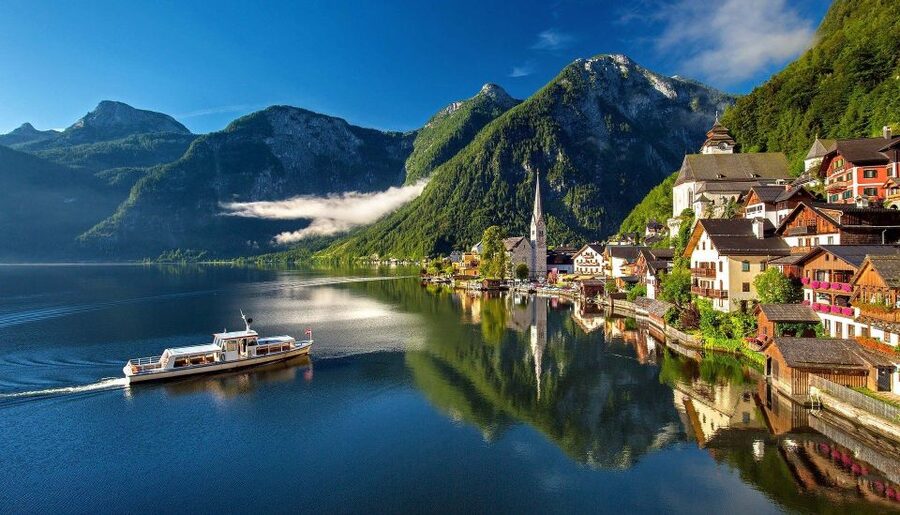
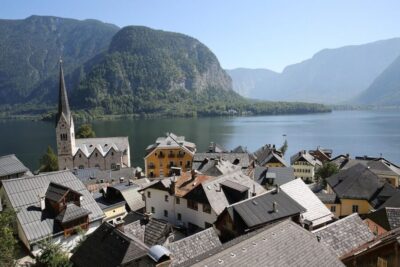
Hallstatt is famous for scenery, but a walk like this is about what the scenery means. The town sits on a narrow strip between Hallstättersee and the surrounding mountains, so every turn feels like it compresses the views and the story together. In a compact place like this, having a guide matters because they can connect the dots quickly.
I especially like the way this tour frames the timeline. It does not just say, people lived here long ago. It points you toward the big cultural shifts: Neolithic and Bronze Age foundations, then the European Iron Age and the La Tène world, followed by the Hallstatt culture that became so closely linked with the region.
The other practical advantage is the private group format. With a group that maxes out at 15 and a guide who stays with your party only, the pace is easier to manage. If you want slower stops for photos, you can usually ask. If you want sharper detail, your guide can lean in.
More Hallstatt day trips:
- Vienna: Hallstatt Day Trip with Boat Ride Option
★ 4.7 · 6,311 reviews - From Salzburg: Half-Day Tour to Hallstatt
★ 4.6 · 3,596 reviews - Day trips from Vienna: Hallstatt & Salzburg Guided Tour
★ 4.7 · 2,202 reviews
Meeting at the Franz Josef I monument, then stepping into the town
You’ll meet at the Franz Josef I monument on Hallstättersee Landesstraße, 4830 Hallstatt, Austria. That choice is smart. It sets you up at the beginning of the walk where you can orient fast, then flow naturally into the streets and viewpoints.
From there, the walking plan is straightforward: explore the town’s core on foot, with commentary tied to what you see. Hallstatt’s street layout can feel like a maze if you arrive with no plan. With a guide, you get a sense of direction and a reason for each turn, instead of just collecting photos.
Time-wise, you have 90 minutes, which is long enough to cover meaningful ground and short enough to avoid fatigue in the middle of a sightseeing day. I’d still come ready with comfortable shoes, because even when the route is not described in minute-by-minute detail, Hallstatt’s terrain and cobbles can add up.
Neolithic, Bronze Age, and the early roots you can almost feel
This is not a one-era history walk. The tour promises Neolithic and Bronze Age wonders, then moves forward into the European Iron Age and La Tène culture. That structure is great value because it turns Hallstatt from a “pretty town” into a time map you can follow on foot.
Here’s the practical payoff for you: when your guide talks about early periods, you will understand what changed as communities developed, organized, and traded. You might not see a labeled exhibit on every corner, but the guide can connect the region’s significance to the broader archaeological story tied to Hallstatt and its surrounding area.
If you like history, you’ll appreciate the sequencing. If you do not, you’ll still benefit because the narrative keeps your brain engaged. Instead of wandering, you follow a thread, and suddenly a church, a market area, or the salt mine zone starts to feel like part of a longer human story.
European Iron Age and La Tène culture, explained where it matters
The tour highlights the European Iron Age and La Tène culture. That matters because La Tène is not just a random name in a textbook. It is part of the Celtic-era cultural landscape that shaped much of central Europe.
In a place like Hallstatt, that context clicks. You can connect the idea of regional cultural networks to what you are seeing now: settlement patterns, routes between lake and mountains, and the kind of resources that would have made a site valuable.
A good guide will also help you avoid a common problem. People often hear “Iron Age” and think it is all metal and weapons. The better way to understand it is through culture and society: how people lived, what they valued, and why certain locations became important. That is the kind of meaning you want on this walk, not just dates.
More Walking Tours in Hallstatt:
- Hallstatt: 2-Hour Guided Walking Tour with Photographer
★ 5.0 · 152 reviews - Private Walking Tour of Hallstatt Churches with a Pro Guide
★ 5.0 · 4 reviews - Private Walking Tour of Hallstatt Market Square and Churches
★ 4.9 · 4 reviews - Hallstatt, Salt mine, Funicular, sky walk Trip From Salzburg
★ 5.0 · 4 reviews
Hallstatt culture and the town’s key stops: market, church, salt mine
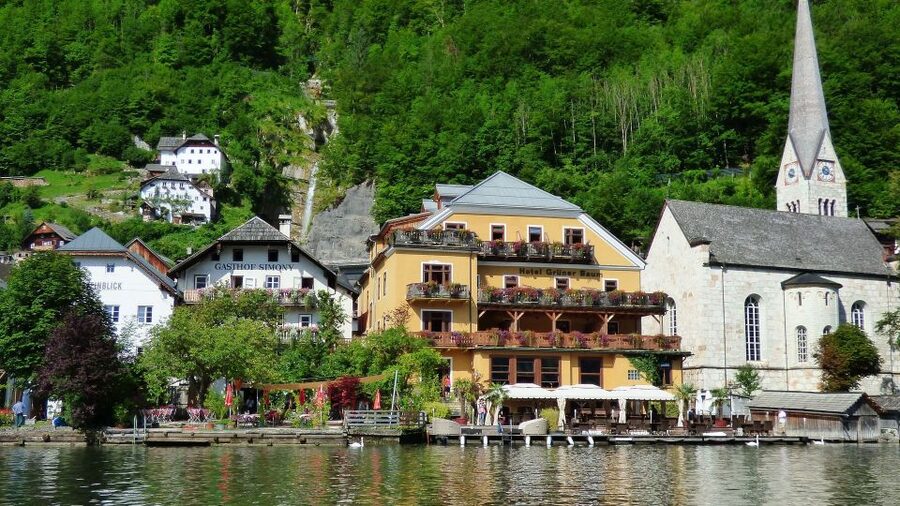
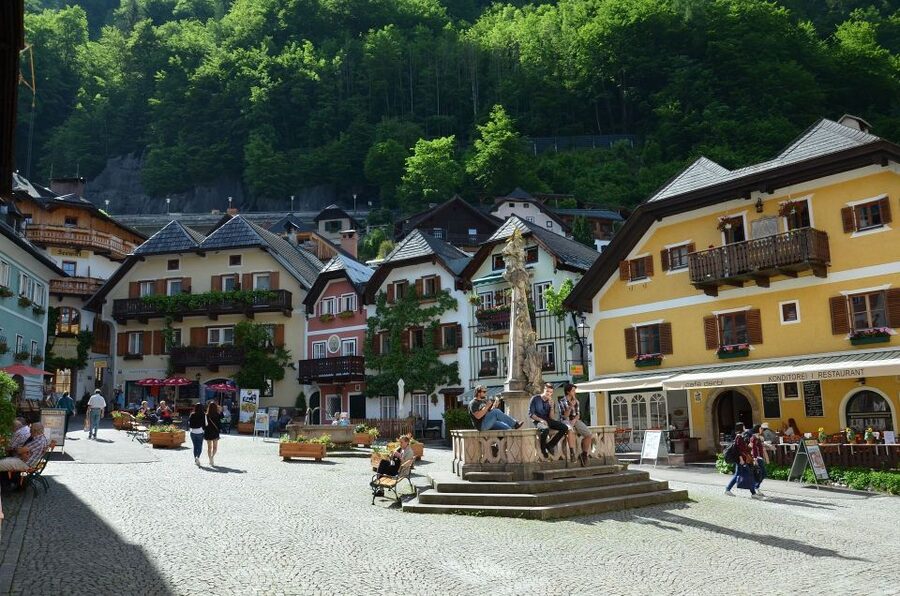
The heart of the experience is strolling Hallstatt’s streets and learning what those places represent. The tour specifically sets you up to explore the market, a church, and the salt mine area.
The market area, where trade meets daily life
Markets are more than souvenirs and snack breaks. Even if the buildings and goods change over centuries, the idea of gathering, exchanging, and showing status is a constant. On this walk, your guide can tie the market zone to the broader significance of Hallstatt as a place people cared about.
The church, and why it helps you read the present
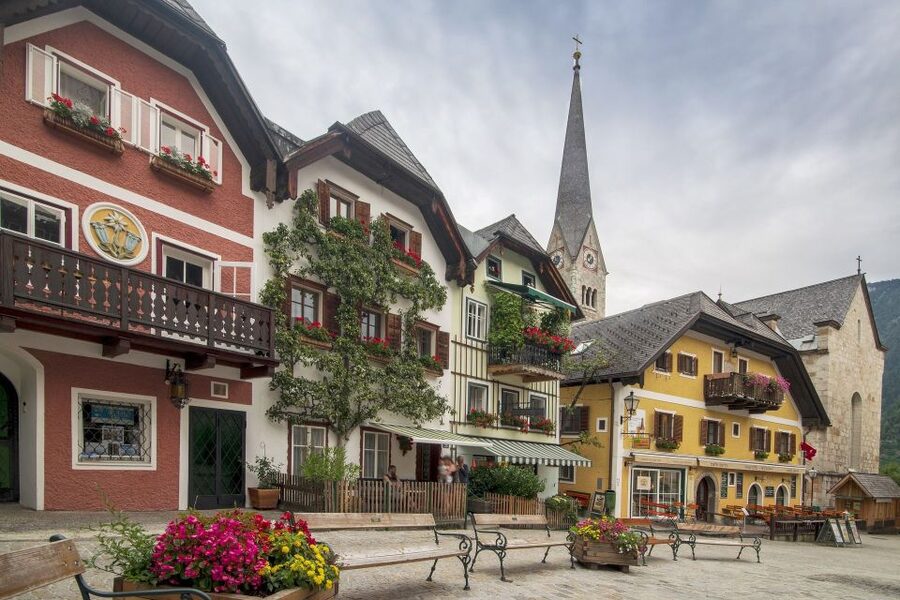
A church in a European lakeside town often sits at the center of community life. In practical terms, it gives you a strong visual anchor. In historical terms, it lets you talk about continuity and change: what societies built, what they kept, and what they replaced.
The salt mine, the big reason Hallstatt mattered
The salt mine is one of the defining stories of Hallstatt. Salt was historically valuable, and the region’s identity is closely linked to it. Even without going inside, walking toward this part of town gives you a sense of why the landscape and settlement pattern made sense.
Important practical note: entrance fees are not included. So if you decide you want to go inside the salt mine, you will need to budget for those admission costs separately.
Pace and group size: private means more flexible, but you still need shoes
This is a private group experience for up to 15 people, with a guide who stays with your group only. In plain terms, that usually means:
- You are not stuck listening to the loudest person in a big crowd.
- You can ask follow-up questions without waiting for a tour microphone.
- Your guide can adjust how much time you spend on viewpoints versus street-level details.
The pace is designed for a 90-minute walk. That is a sweet spot if you want structure and meaning but still want to keep the rest of your day open. It is also a good length for families who can handle walking, assuming kids can stay with the group.
Still, do not underestimate footwear. “Comfortable shoes” is the only dress code advice given, and I agree with it. Cobblestones, uneven spots, and hills can turn a short walk into a long one if you wear the wrong shoes.
What the guide quality can change in a short tour
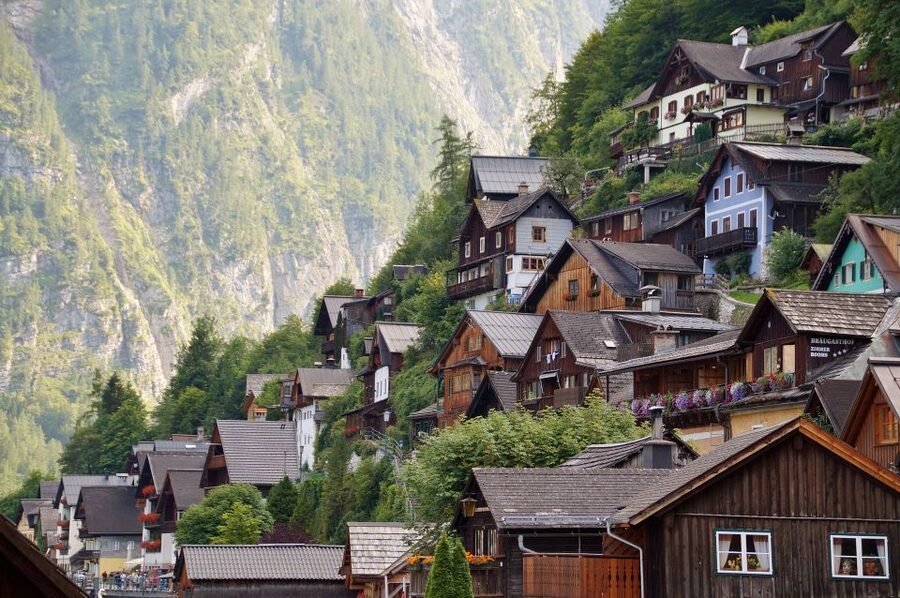
Short tours rise or fall on the guide. Here, the guide is live and in English or German. That language flexibility matters in Hallstatt because many visitors speak different levels of German, and you want explanations that land clearly.
Two guide names show up in feedback: Christiana and Christina. The common praise is that the guide knew their stuff, communicated in an easy-to-understand way, and was personable. That combination is exactly what you want on a tour that covers multiple eras. You do not just want facts, you want the facts organized so they make sense while you are walking.
If you care about heritage context, a strong guide can also help you spot the difference between what is visible and what is inferred. Some of the Neolithic and Bronze Age story cannot be seen in a single object at street level, so the guide’s skill is turning evidence into understandable narrative.
Price and value: $289 per group for 90 minutes
The price is $289 per group (up to 15 people) for 90 minutes. That sounds like a lot at first glance, until you do the math the practical way: this is per group, not per person, and you are paying for a private local guide for the full session length.
So who does this price fit best?
- If you are a small group, the cost per person can be reasonable compared with multiple separate tickets for individual guided options.
- If you have up to 15 people in your party, the price spreads out quickly.
- If you are a solo visitor, you may feel it more. In that case, it can still be worth it when you value having a guide who can answer questions and tailor the pace.
Because entrance fees are not included, you should also factor possible add-ons. If you plan to enter the salt mine or any other paid spot, your total trip cost will rise. If you mainly want the guided interpretation while walking, you may stick closer to the base tour price.
How to plan your day around a 90-minute Hallstatt walk
You do not want to schedule this in the middle of a rushed hop-through. The tour covers a lot of eras in a short time. To get the most, I suggest pairing it with some slower free time after, so the story you heard has a chance to settle.
A smart flow is:
- Do the private walk while the town feels fresh and new.
- Then return later to the spots that caught your attention most, using the guide’s context to explore independently.
Also, plan for weather. The description emphasizes scenic lakeside setting, and that usually means the sky can change quickly. If rain starts, a guided walk still works, but the views may be muted and photo stops may be shorter.
Should you book this Hallstatt Private Walk Tour?
Book it if you want a guided way to understand why Hallstatt is famous, beyond postcards. This tour is ideal when you care about ancient heritage, want Neolithic through Iron Age context, and appreciate the convenience of a private guide for a 90-minute walk.
Skip it or consider a different option if your priority is spending lots of time inside specific attractions, because entrance fees are not included and the tour duration is limited. Also, if you hate walking at all, a town-based heritage walk will feel like a mismatch, since comfortable shoes are explicitly recommended.
If you like your history explained clearly and linked to real places you can see as you go, this is a strong pick. Hallstatt’s greatest trick is that the town itself helps you understand the past, and a good guide makes that connection feel effortless.
FAQ
How long is the Hallstatt Private Walk Tour?
It lasts 90 minutes.
What is the meeting point for the tour?
Meet at the Franz Josef I monument, Hallstättersee Landesstraße, 4830 Hallstatt, Austria.
Is this tour private?
Yes. It is a private group experience with your guide staying with your group only.
What languages is the tour offered in?
The live guide offers English and German.
What is included in the price?
A local guide who is with your group only is included.
Are entrance fees included?
No, entrance fees are not included.
What should I bring?
Wear comfortable shoes.
How much does the tour cost?
It is $289 per group, up to 15 people.
Can I get a refund if I cancel?
Yes. Free cancellation is available up to 24 hours in advance for a full refund.
Can I reserve and pay later?
Yes. You can reserve now and pay later.
Fresh on the site in Hallstatt
- Vienna/Bratislava: Traunkirchen, Hallstatt & Salzburg Tour★ 4.8 · 53 reviews
- Vienna/Bratislava: Day Trip to Hallstatt & Salzburg★ 4.8 · 21 reviews
- From Vienna: Traunkirchen, Hallstatt & Salzburg Day Trip★ 4.9 · 21 reviews
- Vienna to Hallstatt: Europe’s Most Beautiful Village★ 4.2 · 30 reviews
- Vienna: Hallstatt and Salzburg Day Tour★ 4.5 · 26 reviews
- Traunkirchen, Hallstatt & Salzburg – A Day to Remember★ 5.0 · 4 reviews
- Private Full Day Trip to Hallstatt ,Salzburg and Melk from Vienna★ 4.5 · 58 reviews
- Magical Hallstatt Day Trip from Vienna★ 4.0 · 11 reviews
Hallstatt Tours, compared.


Day trips from Vienna: Hallstatt & Salzburg Guided Tour
Read our review →
Hallstatt Guided Day Trip from Vienna With Boat Ride Option
Read our review →
Hallstatt, Salzburg, Melk, Alps & Lakes Day Trip
Read our review →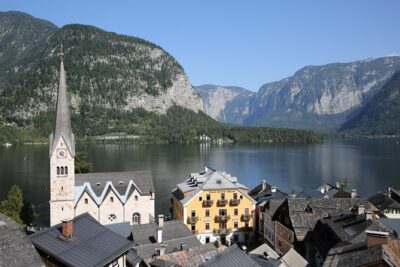

Browse the lists this tour appears in