
REVIEW · GRAZ TOURS
Lipizzaner Stud Piber: Guided Tour
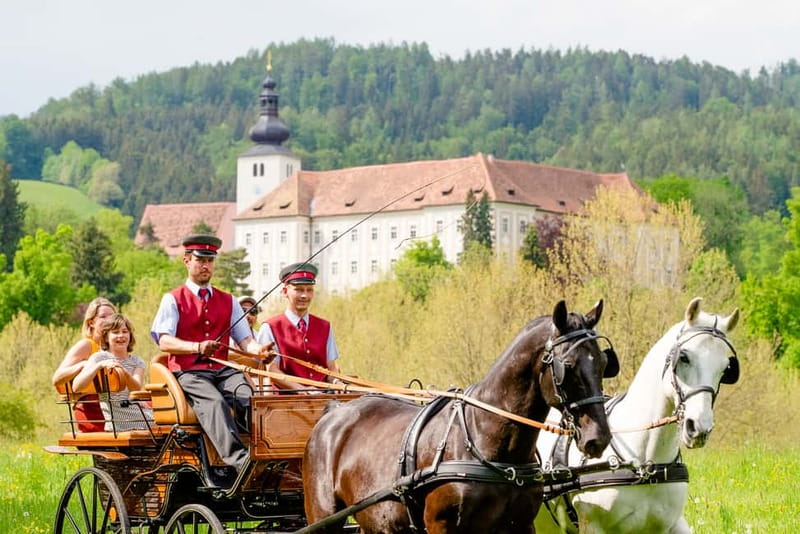
Lipizzaners start as foals, not legends. A guided look at the Lipizzaner Stud Piber near Köflach turns those famous white horses into real animals with real routines, from breeding to training. You walk through the stud and learn how the horses are cared for while the younger ones check out their surroundings.
I love two parts most: the close-up time with the foals as they explore their first months, and the museum stop where the Lipizzaner story gets organized and easy to follow. The included inner-courtyard access also helps you see more than just the front-door highlights.
One thing to consider: the tour is only about a day, so you see a slice of day-to-day work, not every detail. And the live guide is German, so plan for language limits unless you request English ahead of time.
In This Review
- Key things to know before you go
- Lipizzaner Stud Piber in Styria: what the day actually feels like
- Start at the ticket shop and get oriented fast
- Inner courtyard access: the best quick win
- Museum and cinema: why context is built in
- Foals and mares: the nursery that tells the truth
- Riding hall training: seeing discipline, not just performance
- The children’s adventure path: a separate win for families
- Language reality: German guide, and English only if you plan
- Price and value: is $28 worth your time?
- Who this tour is best for
- Practical considerations for a smooth visit
- Should you book Lipizzaner Stud Piber?
Key things to know before you go
- Expert-led stud tour focused on care, breeding, and how the horses are raised at Piber
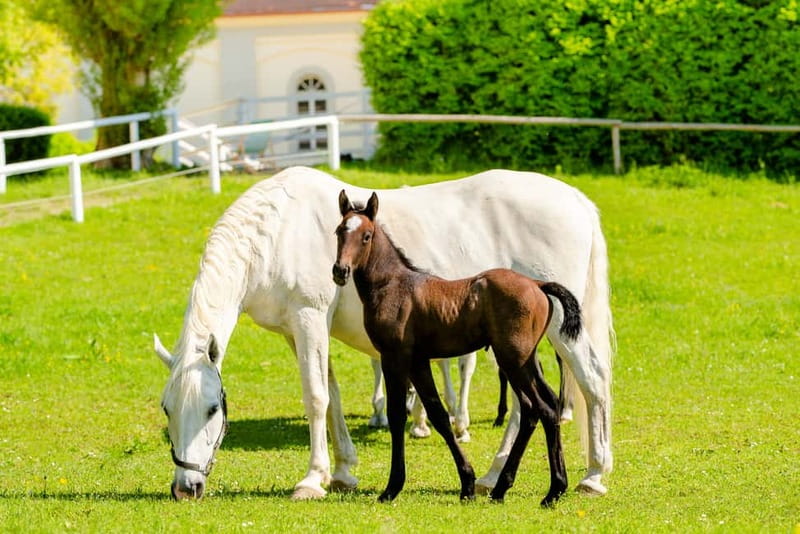
- Foals exploring their surroundings with mares staying close
- Museum plus cinema included, so you get context without needing extra tickets
- Riding hall training where horses and riders work together
- Kids adventure path around the stud for younger visitors
- No feeding, no riding to keep animals calm and safe
Lipizzaner Stud Piber in Styria: what the day actually feels like
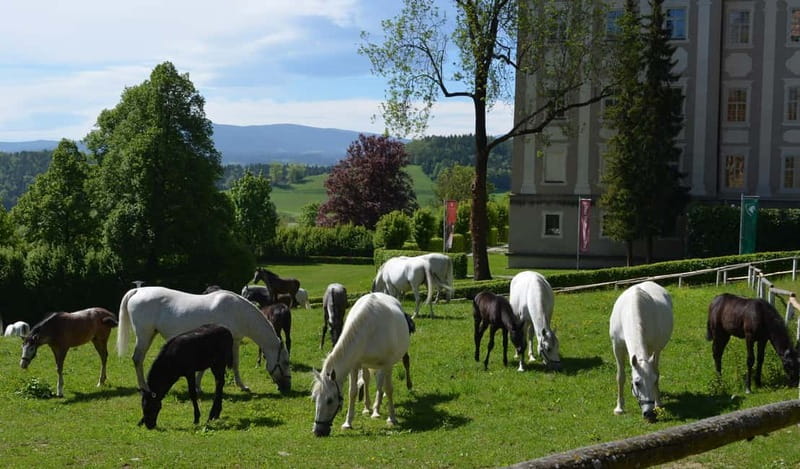
Piber is not a place built only for photos. It’s a functioning stud, so the mood is practical and calm. Expect a guided route that mixes hands-on observation with indoor stops, which is a nice balance when weather shifts in Styria.
At a price of about $28 per person for a one-day visit, you’re paying for more than entry. The ticket includes a guided tour (or audio option), plus access to the inner courtyard and the museum areas and cinema. If you like learning what you’re looking at, this is good value.
The experience is also family-friendly in a smart way. There’s a children’s adventure path around the stud, so kids have their own route instead of just tagging along.
A few more Graz options worth a side-by-side
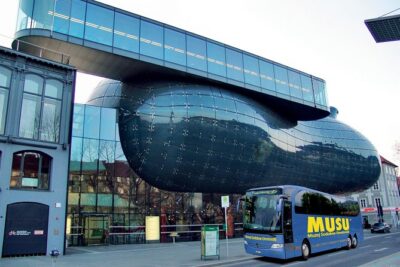
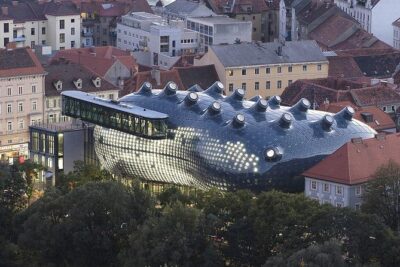
- Kunsthaus Graz Museum Entrance Ticket
★ 3.5 · 19 reviews - Graz: Old Town Highlights Private Walking Tour
★ 4.6 · 16 reviews - Universalmuseum Joanneum Pass in Graz
★ 4.0 · 14 reviews
Start at the ticket shop and get oriented fast
Your meeting point is in front of the Piber Ticketshop. Arriving a bit early helps you get your bearings before the group sets off, especially if you’re trying to time indoor and outdoor sections.
From the start, the tour approach is clear. You’re guided through key areas, with an expert explaining how the stud operates and what matters for Lipizzaner care and breeding. That matters because it keeps what you see from turning into a random walk through barns.
If you prefer quieter exploration, this is also where you can decide how much attention you want from the guide versus how much you want to linger near horses when you have access. Since feeding and riding are not allowed, you’ll be observing rather than interacting, which keeps things respectful and low-stress for the animals.
Inner courtyard access: the best quick win
One included highlight is entrance to the inner courtyard. Even if you never fully memorize where everything is, this area helps you connect the dots. You get a better feel for how the stud is organized and where different activities happen.
I like courtyard access because it usually gives you a first “read” of the place. Are horses calm? Are foals nearby? Is the atmosphere active? That early snapshot helps you enjoy the later stops more, since you understand the layout.
Also, it’s a good buffer. If you have a moment where outdoor viewing is slow, the courtyard is still useful for taking in the day without wasting time.
Museum and cinema: why context is built in
The museum is included, along with the cinema. This is a big deal for anyone who wants more than the visual wow of seeing Lipizzaners in person.
The Lipizzaner reputation can feel like pure legend. The museum helps translate that reputation into a practical understanding of breeding traditions and how selection, training, and long-term care fit together. You’ll walk away knowing what makes these horses special beyond their color and famous performances.
The cinema addition is smart too. Even if you’re not a documentary person, short indoor programming can keep the visit from feeling like only walking and staring. It also helps when you hit a warmer or cooler part of the day, since you get a change of pace.
Still the same country, a very different afternoon:
- Fun & mobile scavenger hunt through Graz
★ 4.5 · 12 reviews - Graz city tours
★ 3.5 · 9 reviews - Graz Scavenger Hunt and Sights Self Guided Tour
★ 4.0 · 9 reviews - Explore Graz in 60 minutes with a Local
★ 5.0 · 7 reviews
Foals and mares: the nursery that tells the truth
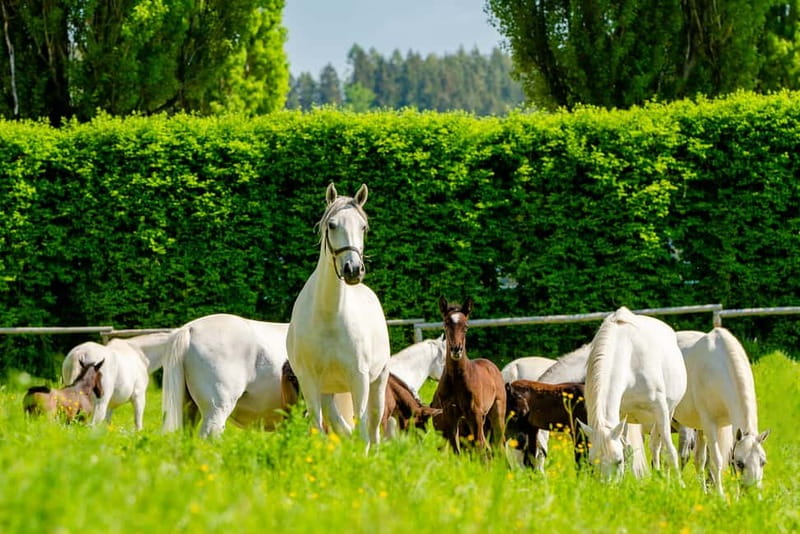
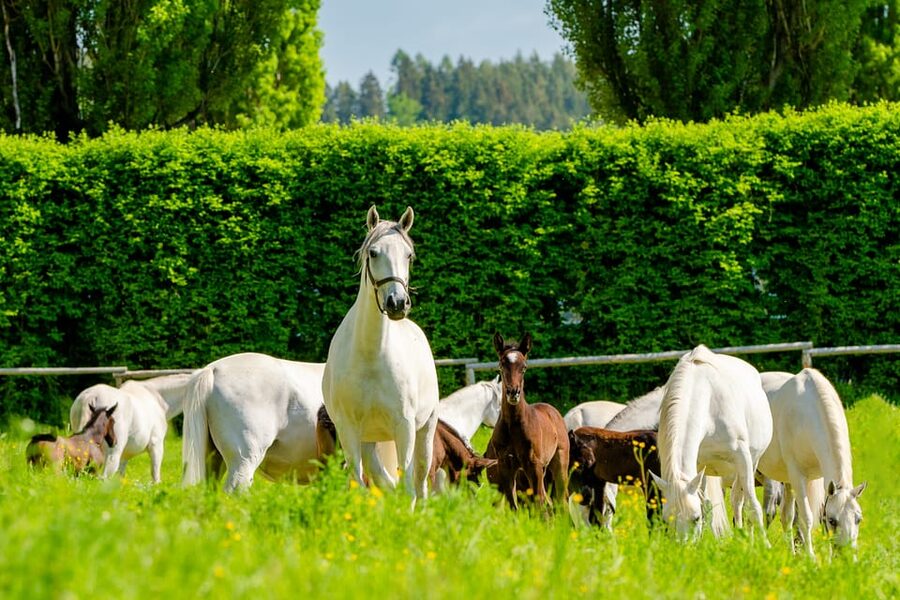
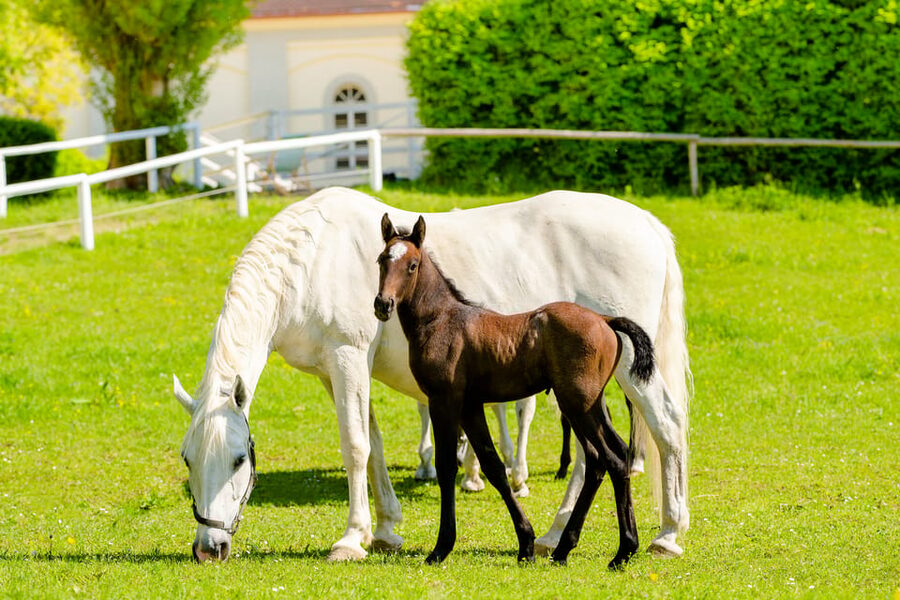
One of the most praised parts is the foal experience, sometimes described as the nursery atmosphere with the youngsters. During the visit, you can observe the foals exploring their surroundings during their first months at the stud, always under attentive care from their mares.
This is where the visit goes from “I saw horses” to “I understand the process.” Foals aren’t part of the show on day one. They’re learning boundaries, movement, and safety in a real environment. Watching mares stay close while the foals investigate gives you a clear picture of everyday stewardship.
You’ll also enjoy this more if you have the patience to watch small behaviors: how quickly they move, how they pause, how they react to sounds and people in the distance. The foal section rewards calm attention.
Riding hall training: seeing discipline, not just performance
Another core stop is the riding hall, where you observe training sessions with horses and riders. This part adds a different layer to what you’ve seen outside.
If you’ve only ever associated Lipizzaners with famous events, the riding hall helps bring it back to work. You’ll get a look at the partnership between horse and rider, and you’ll likely notice how controlled training depends on consistency and timing.
Practical tip: watch for transitions. In training, those are often the moments that show whether the horse is comfortable and the rider is communicating clearly. Even without technical knowledge, you can read a lot from how smoothly things change from one movement to the next.
The children’s adventure path: a separate win for families
For younger visitors, the tour includes a children’s adventure path around the stud. That’s a thoughtful feature because it turns the visit into something active, not just a long sit-and-listen session.
If you’re traveling with kids, this is exactly what you want. It gives them a “mission” area, while adults can still follow the expert-led parts. Just keep in mind that the rest of the day is still focused on observing horses, so the adventure path works best when children can stay within the rules and stay calm around animals.
Also, because feeding is not allowed and riding is not allowed, the interaction boundaries are clear. That helps keep the entire experience comfortable for everyone.
Language reality: German guide, and English only if you plan
The live tour guide is German. Guided tours in English are available only by prior request. So if you need English, you should make that request early.
This matters because the explanation piece is a major part of the value. One limitation you might run into is that the tour can feel informative but not ultra deep on certain topics. If you want a detailed explanation of how animals are selected for later programs and how training choices are made, ask questions during the tour while you have the guide.
If you don’t speak German and you did not arrange English, you may end up relying more on museum context or audio options, depending on what’s offered on the day. The good news is that the visit still has included indoor interpretation, so you’re not completely stuck without language.
Price and value: is $28 worth your time?
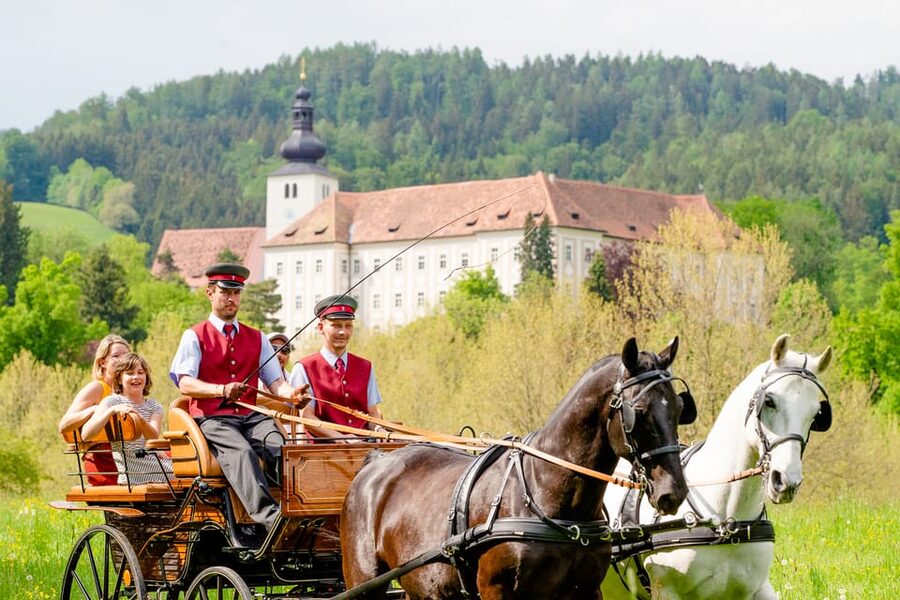
For $28 per person (about a one-day stop), the value comes from what’s included. You’re not just paying for access to stables. You get:
- Guided tour or audio option
- Inner courtyard entrance
- Museum entry and cinema
That bundle helps justify the cost, especially if you’re trying to do something more structured than a self-guided walk. If you’re the type who enjoys hearing how breeding and care work, you’ll feel like you got your money’s worth.
The main cost you need to budget separately is food and drinks, which are not included. Bring water, and plan a simple meal strategy. The visit is short enough that you don’t need a complicated plan, but you should not assume you can buy everything nearby without checking.
Who this tour is best for
This is a great fit if you:
- Want an expert-led look at Lipizzaner care and breeding
- Enjoy seeing how training happens in a riding hall
- Prefer a mix of outdoor animal viewing and indoor learning
- Travel with kids who can use a dedicated activity area
If you’re a specialist who wants extreme technical detail on training systems or selection criteria, you might want to treat this as a strong overview and come prepared with questions. The visit is focused and paced, so not every niche topic will get full coverage.
Practical considerations for a smooth visit
Even without a long shopping list of logistics, a few rules change how you should prepare.
- Feeding animals is not allowed.
- Riding the animals is not allowed.
So your job is observation, not interaction. Wear shoes that work on stud grounds, since you’ll spend time outdoors and moving between areas. If you’re sensitive to weather, plan layers because mountain pastures and indoor halls can feel very different.
Also remember that the tour is guided in German unless you requested English ahead of time. If you’re depending on language, make that decision before you arrive, not during the tour.
Should you book Lipizzaner Stud Piber?
Yes, you should book if you want a clear, structured way to understand Lipizzaners. The combination of foals and mares, the riding hall training, and the museum plus cinema makes this a well-rounded day that goes past simple sightseeing. At about $28, the included entry and guided interpretation feel like a solid deal.
I’d think twice only if language access is a problem for you. If you cannot do German and you have not arranged English, you may end up with less explanation than you hoped. And if you’re chasing ultra detailed answers about training and selection systems, this is still a good stop, but come with questions because the day focuses on the essentials.
If you want a calm, authentic stud experience in Styria, this one-day guided visit hits the right notes.
Fresh on the site in Graz
- Graz city tours★ 3.5 · 9 reviews
- Graz Private Walking Tour With A Professional Guide★ 5.0 · 5 reviews
- Fun & mobile scavenger hunt through Graz★ 4.5 · 12 reviews
- Graz Scavenger Hunt and Sights Self Guided Tour★ 4.0 · 9 reviews
- Explore Graz in 60 minutes with a Local★ 5.0 · 7 reviews
- Graz Old Town Highlights Private Walking Tour★ 5.0 · 4 reviews
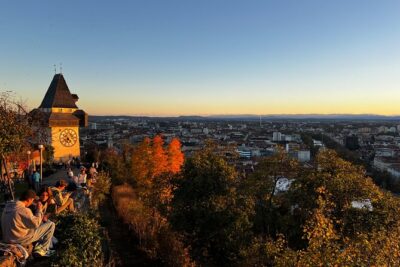
- Graz Funicular Ride and Schlossberg Picnic Experience★ 5.0 · 5 reviews
- Private Photoshoot Walk Old Town of Graz★ 3.0 · 3 reviews
Graz Tours, compared.



Graz Funicular Ride and Schlossberg Picnic Experience
Read our review →Browse the lists this tour appears in