
REVIEW · SCHöNBRUNN PALACE TOURS
Vienna: Imperial Carriage Museum in Schönbrunn Palace Ticket
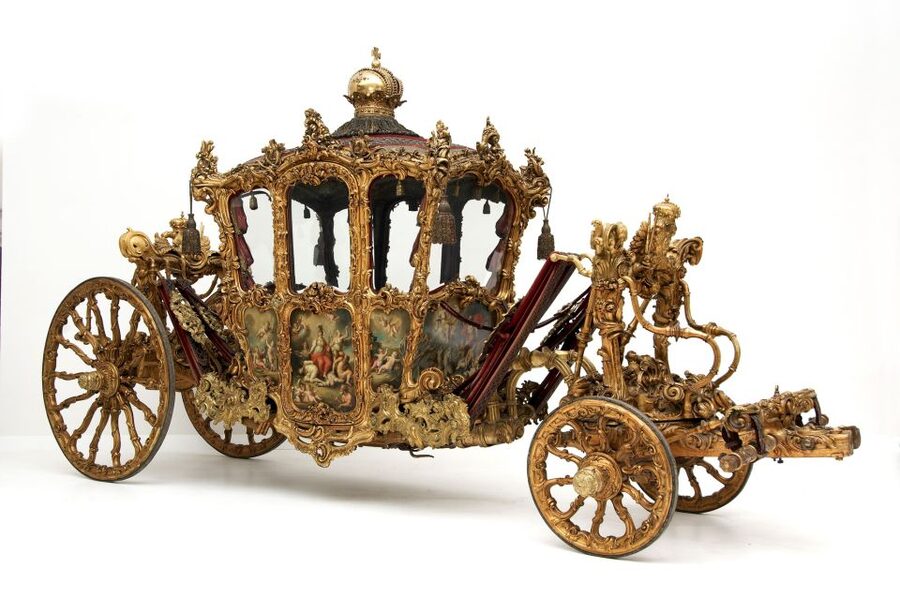
Carriages roll through power and style in Vienna. I love seeing the Baroque imperial coach up close, and I also enjoy connecting that craftsmanship to famous rulers like Maria Theresia, Napoleon, and Franz Joseph. The other big reason I’m excited about this stop is the Sisi Trail, which pairs Empress Elisabeth’s carriages with personal items like her only extant saddle. One possible drawback to keep in mind, the voucher needs to be printed for entry at the museum.
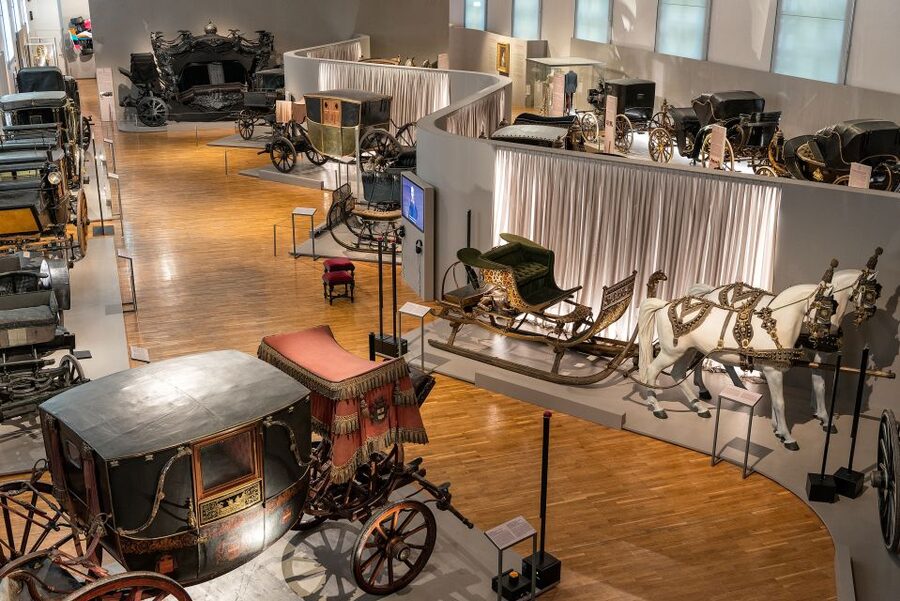
Plan on a self-paced visit in the Imperial Carriage Museum at Schönbrunn Palace, with an audio guide available if you book that option. I especially like that the collection includes children’s carriages for Habsburg princes and princesses, so you can make it fun for families without losing the adult appeal.
In This Review
- Key highlights you should not miss
- Entering Schönbrunn, and what you’re paying for
- From the ticket to the museum visit at Schönbrunn Palace
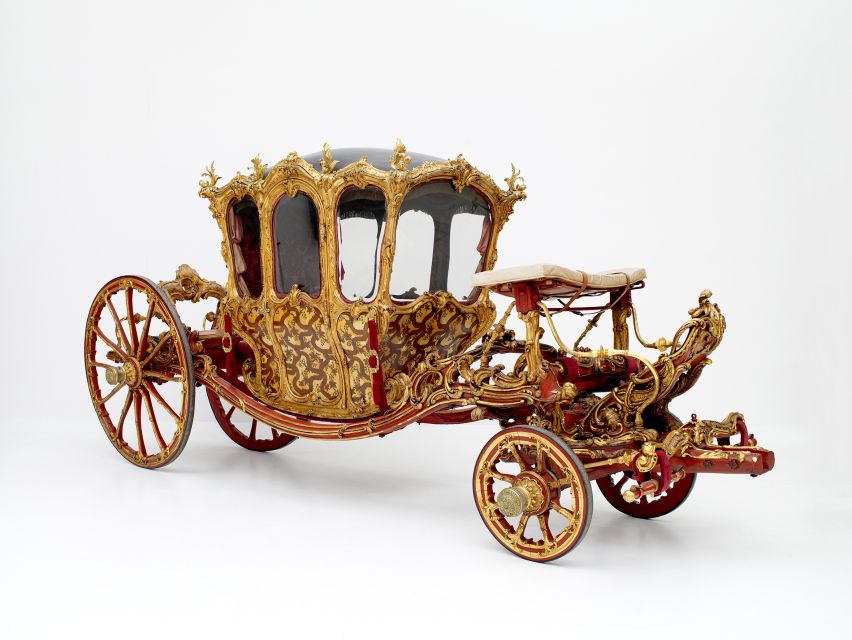
- Maria Theresia, Napoleon, and Franz Joseph carriages you can actually compare
- The Baroque imperial coach, why it is the main event
- Beyond the showpiece: state and traveling coaches
- The Sisi Trail: Empress Elisabeth’s carriages and personal mementos
- Audio guide vs. no guide: how to get the most without a live tour
- Planning your 1-day visit so you don’t feel rushed
- Price and value: is $14 a good deal for this museum?
- Practical tips that can make or break your day
- Who this museum ticket is best for
- Should you book the Imperial Carriage Museum in Schönbrunn?
- FAQ
- How long does the Imperial Carriage Museum ticket last?
- Where do I meet for this experience?
- What is included with the ticket price?
- Is a guided tour included?
- Do I need a printed voucher?
- Are tour guide tickets free?
- Is there an audio guide, and in what language?
- What is the cancellation policy?
Key highlights you should not miss
- Baroque imperial coach as the main spectacle
- Maria Theresia, Napoleon, and Franz Joseph represented in the collection
- Sisi Trail with Empress Elisabeth’s carriages and personal mementos
- Only extant saddle and other Elisabeth-related artifacts
- Riding chapel and original dresses tied to Sisi
- Children’s carriages for Habsburg princes and princesses
Entering Schönbrunn, and what you’re paying for
This ticket gets you entrance into the Imperial Carriage Museum inside Schönbrunn Palace grounds, run by the Kunsthistorisches Museum. For about $14 per person with a visit that fits into a 1-day plan, you’re really buying access to a tight, focused museum where the objects do the talking.
What I like about the value is that you do not need extra add-ons to get the basics. Entrance fees are included, and an audio guide is available only if you choose that option. There’s also no full guided tour included, so this works best if you’re happy to move through at your own pace and pick up details as you go.
The museum is also well suited if you enjoy “lived experience” museum visits. Carriages are not abstract art. They connect to how rulers appeared in public, how ceremonies worked, and how status moved through the city.
More ways into Schönbrunn Palace:
- Vienna: Schönbrunn Palace & Gardens Skip-the-Line Tour
★ 4.7 · 7,739 reviews - Vienna: Skip-the-Line Schönbrunn Palace & Gardens Tour
★ 4.8 · 5,411 reviews - Vienna: Mozart and Strauss Concert at Schönbrunn
★ 4.5 · 2,967 reviews
From the ticket to the museum visit at Schönbrunn Palace
Your meeting point is the Imperial Carriage Museum in Schönbrunn Palace. That matters because you avoid the time sink of figuring out which building or entrance to use once you’re already on-site.
Your ticket is valid for 1 day, and starting times depend on availability. That means you should treat it like a flexible museum slot rather than a must-be-at-a-certain-hour show. If your day in Vienna is already packed, this kind of museum ticket is a good way to add something cultural without locking your whole schedule.
If you’re coming from elsewhere in Vienna, I’d plan on arriving with buffer time for your first steps inside the palace area. Even if you’re not touring the rest of Schönbrunn in the same day, just getting your bearings can take longer than you think in a palace complex.
Maria Theresia, Napoleon, and Franz Joseph carriages you can actually compare
One of the smartest things about this museum is that it groups famous names with tangible objects. You don’t just read about these rulers, you see the vehicles associated with them, side by side or in nearby galleries depending on how the route is set up inside.
I love how the collection invites comparison. Maria Theresia, Napoleon, and Franz Joseph each represent different eras and different “messages” a ruler wanted to send through ceremony. The carriages become a kind of visual shorthand for court life and political branding.
Even without a guide, this is the kind of museum where your brain starts connecting dots quickly:
- What kind of carriage would fit a ruler’s public image?
- How does design change when the mission is ceremony versus travel?
- Where do you see features meant to impress versus features meant to comfort?
The museum makes those questions feel natural, because the objects are arranged so you can move from one ruler to another and keep noticing differences.
The Baroque imperial coach, why it is the main event
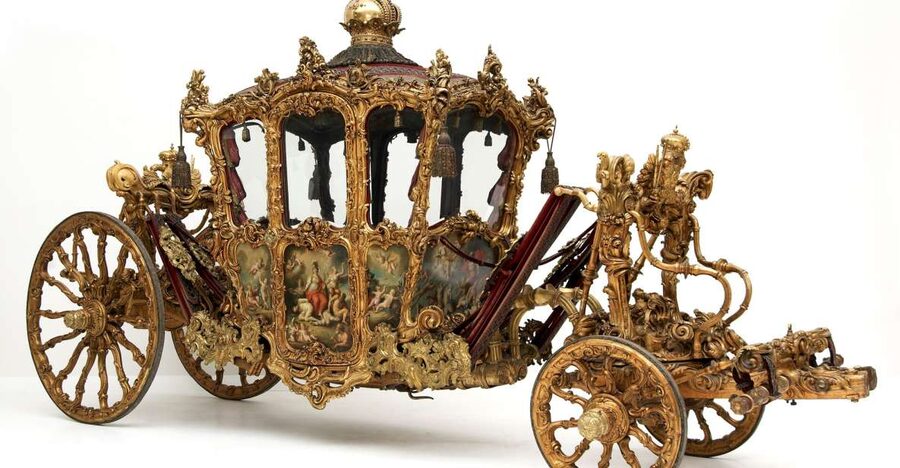
The Baroque imperial coach is the headline highlight, and it’s the one I’d prioritize. Baroque design is about drama and presence, so expect a look that feels theatrical and intentionally “made to be seen.”
What makes this coach worth your time is not just the fact that it’s famous. It’s that the museum lets you stand close and really register scale and visual weight. A carriage like this is built for court settings, where people are watching from sidewalks, balconies, and ceremonial spaces.
If you tend to rush through museums, slow down here. Give yourself a few minutes to do this simple routine:
- Look at the overall shape first.
- Then scan the ornament details.
- Then step to a different angle to see how it changes in your view.
Those pauses are what turn a quick photo stop into a real memory.
More museums in Vienna:
- Vienna: Skip-the-Line Sisi Museum, Hofburg and Gardens Tour
★ 4.8 · 5,918 reviews - Vienna Kunsthistorisches Museum Day Admission Ticket
★ 4.6 · 3,690 reviews - Tickets for the Albertina Exhibitions
★ 4.7 · 2,126 reviews - Vienna: Chocolate Workshop in Chocolate Museum w/ Tasting
★ 4.5 · 1,802 reviews
Beyond the showpiece: state and traveling coaches
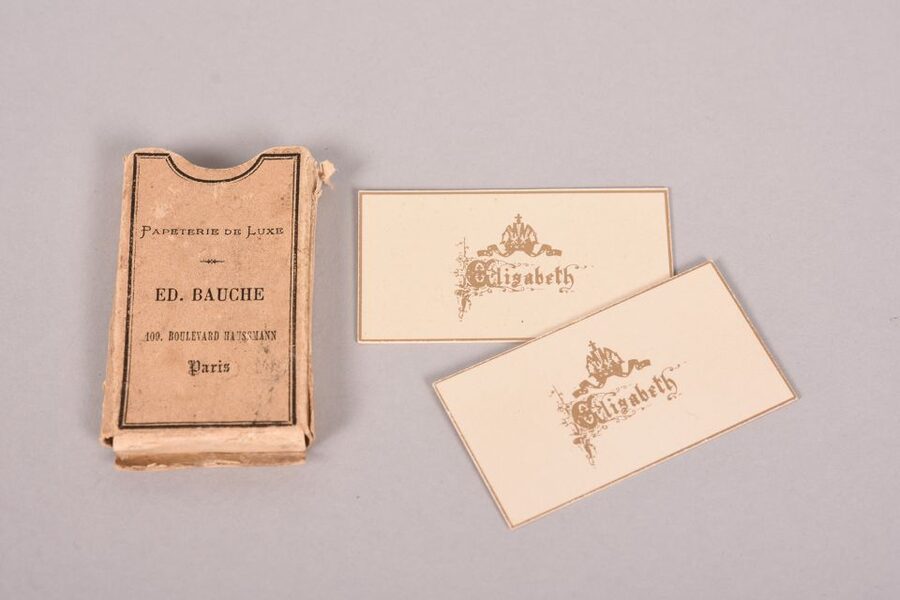
After the main imperial coach, you’ll find more categories that help you understand how different travel needs worked in the court world. The museum includes state carriages, comfortable traveling coaches, and children’s carriages for Habsburg princes and princesses.
This variety is where the museum becomes more than a single attraction. A state carriage is about display. A traveling coach is about getting from point A to point B. And children’s carriages add a surprisingly human layer, because they show that royal childhood also had its own forms of ritual and protection.
If you’re visiting with kids or teens, this part can be a quiet win. You can treat it like a “which one would you ride?” gallery without turning it into a distraction. And for adults, it keeps the museum from feeling like pure spectacle.
The Sisi Trail: Empress Elisabeth’s carriages and personal mementos
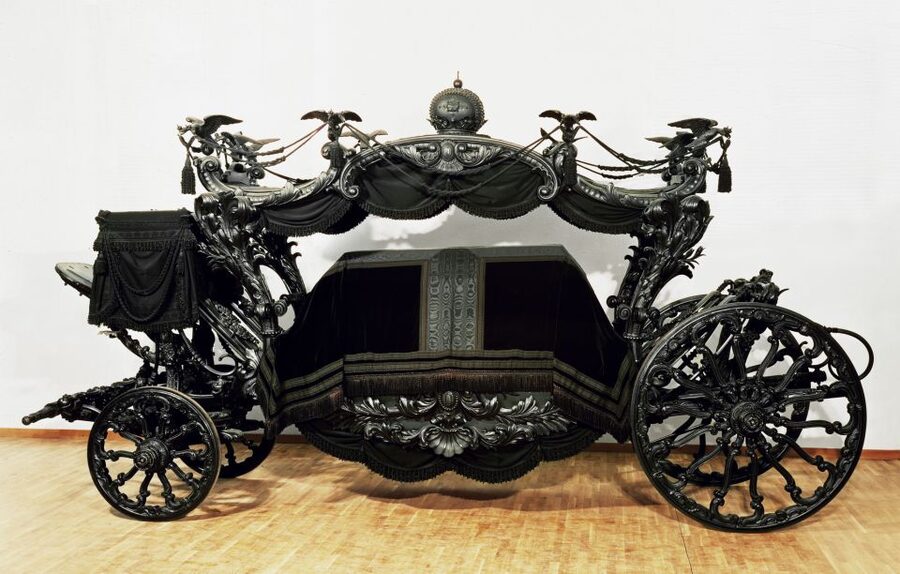
The best reason to choose this ticket is the Sisi Trail. Instead of focusing only on famous rulers in general, it shifts the spotlight to Empress Elisabeth and her personal world.
You’ll see not only her carriages, but also artifacts that make the story more intimate. The museum highlights items such as:
- Her only extant saddle
- A riding chapel
- Sumptuous original dresses
That combination changes the museum’s tone. A carriage can be impressive on its own, but a saddle or a riding chapel brings in Elisabeth’s identity as someone connected to riding and her personal routines. Original dresses also help you picture the visual side of her presence, not just the transportation side.
I like that the Sisi Trail feels like a route built to slow you down. It gives you permission to spend time looking at objects that are personal rather than purely ceremonial. If Sisi is your Vienna subject, this is where the experience clicks.
Audio guide vs. no guide: how to get the most without a live tour
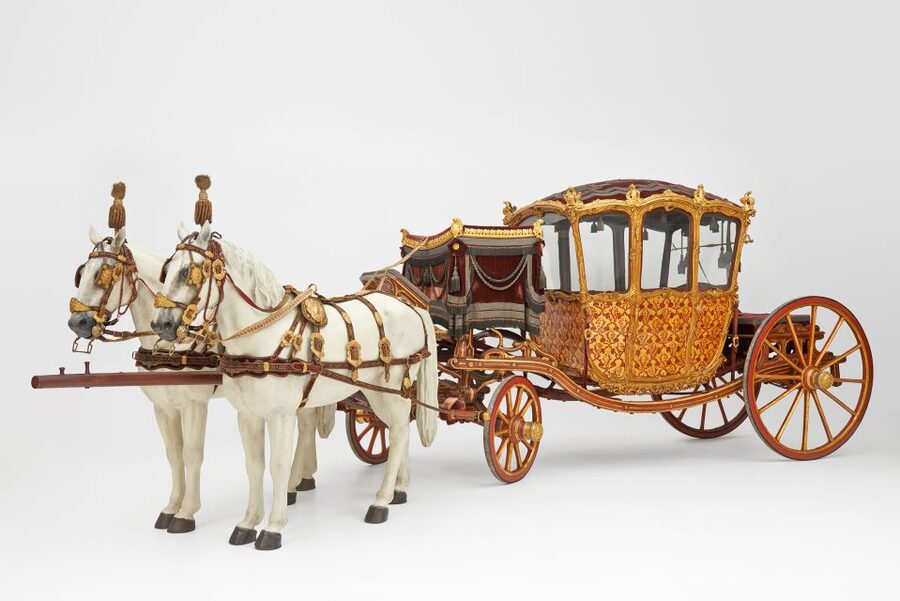
The ticket includes entrance fees, and an audio guide is included only if you book that add-on. If you don’t book it, you’re still fine, but you’ll read labels more closely and rely on your own curiosity.
One practical note: audio guides are great when they keep language simple and the pace steady. There’s at least one Italian audio guide experience that was described as concise and functional, which is exactly what you want in a museum like this where you’re moving between multiple carriages.
For me, the ideal approach is to do the big objects first, then let the audio guide help you connect the smaller details. If you start with the Baroque imperial coach and then switch to the Sisi Trail, the contrast will make the audio explanations easier to remember.
Also, there’s no guided tour included with this ticket. If you want a live guide to answer questions in real time, you’ll need to bring your own guide or hire separately. The museum is still very visitable without one.
Planning your 1-day visit so you don’t feel rushed
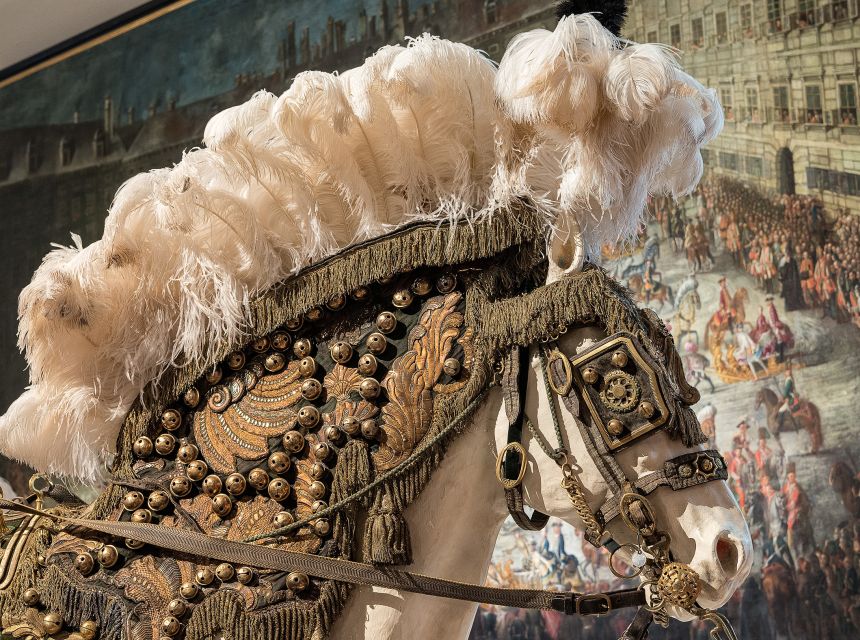
Even though it’s a 1-day ticket, you still need to think like a museum visitor, not like a tourist rushing between stops. This collection rewards attention, especially if you want both the main coach and the Sisi Trail.
Here’s a planning strategy that works well:
- Start with the Baroque imperial coach while your eyes are fresh.
- Then move into the rulers’ carriages so you can compare eras and styles.
- Save the Sisi Trail for the middle or later portion when you’re ready to slow down and absorb personal artifacts like the saddle and original dresses.
If you’re visiting with a family, consider splitting roles. One person leads the “ruler carriages” route, another keeps an eye out for the children’s carriages. It helps everyone stay engaged without turning it into a race.
If you’re the type who likes to take photos, don’t just shoot. Do a quick scan first, then take the photo. It keeps you from only capturing angles that look good on your phone and missing what the objects look like in real life.
Price and value: is $14 a good deal for this museum?
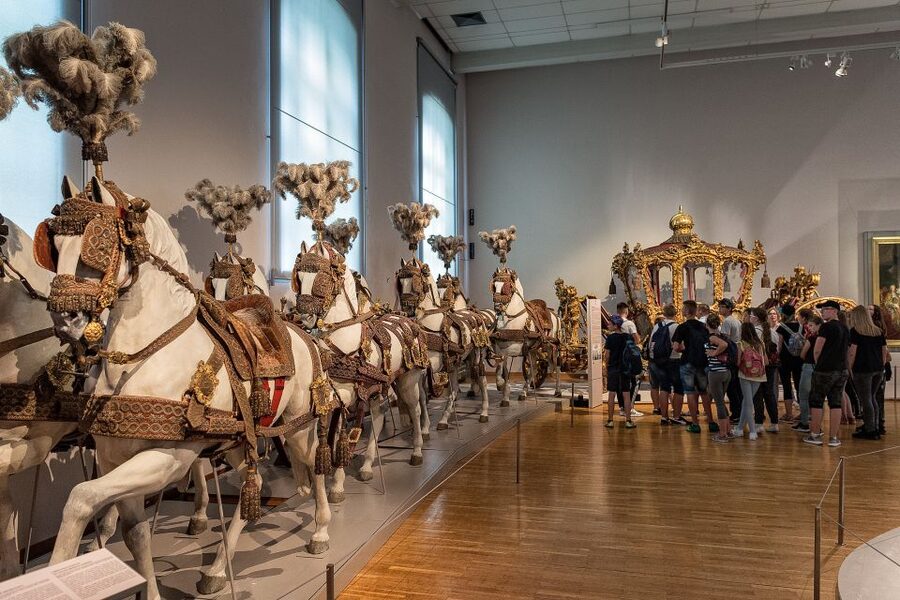
For $14 per person, this experience is strong value if you enjoy material culture, court symbolism, and visual design. You are not paying for a long outdoor walking tour, and you are not paying for a full live guided group. Instead, the money goes toward entrance and optional audio support for a museum collection that has clear standout pieces.
Here’s how I think about it:
- If you love carriages, you’ll likely feel it was worth it fast, because the collection is built around famous names and visible categories.
- If you are a Sisi fan, the Sisi Trail is the deal-maker, because it adds personal artifacts rather than only repeating the carriage display.
- If you need a lot of narrative from a live guide, you may feel something is missing, since guided tour is not included.
So the value depends on what you want most from Vienna. If you want objects you can study, this is a good ticket.
Practical tips that can make or break your day
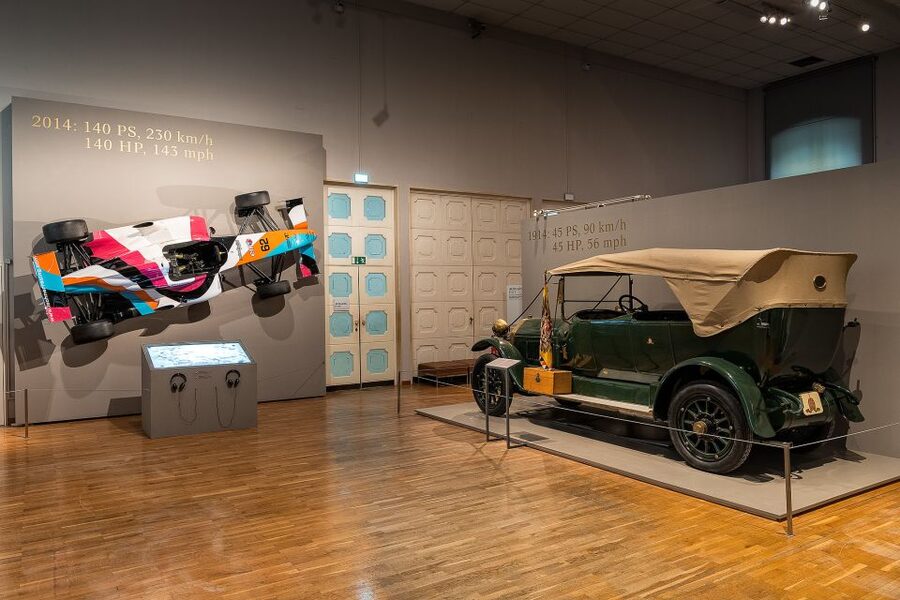
One thing I want you to take seriously is the printed voucher requirement. That’s the kind of rule that can cost you time if you only realize it at the museum gates.
If you hate last-minute stress, do this before you leave:
- Check that you can print your voucher.
- Keep it somewhere dry and easy to grab.
- If you’re traveling with others, make sure everyone has their own voucher ready.
Also, since the audio guide is optional, decide early whether you want it. If you do, you’ll get more out of the galleries, because you can connect the carriages to the stories rather than relying only on labels.
Finally, because the ticket is for 1 day and starting times depend on availability, it’s smart to build the museum into your day as a planned activity rather than a random stop. That simple mindset prevents you from feeling scattered.
Who this museum ticket is best for
This experience is a great fit if you fall into one of these groups:
- Sisi fans who want to see her related items like her saddle, riding chapel, and original dresses
- People who enjoy museum objects that tell stories through design, not just text
- Families who want something that feels historical but still has variety, including children’s carriages
- Anyone who likes Vienna because it shows how art, power, and everyday routines intersect in surprising ways
It may be less ideal if you specifically want a guided group tour with a live guide doing most of the talking, since that is not included here.
Should you book the Imperial Carriage Museum in Schönbrunn?
Yes, I think you should book if you want a focused, high-impact museum stop with a clear centerpiece. The Baroque imperial coach is reason enough for many people, but the real value is the combination of famous ruler carriages and the Sisi Trail with personal artifacts like Elisabeth’s saddle and her original dresses.
Book it especially if you know you’ll spend time looking, not just snapping photos and moving on. And before you go, do not underestimate the printed voucher rule. Handle that once at home, and your day in Schönbrunn will feel smooth.
FAQ
How long does the Imperial Carriage Museum ticket last?
The ticket is valid for 1 day. Availability can affect starting times, so it is best to check what times are open when you reserve.
Where do I meet for this experience?
You meet at the Imperial Carriage Museum in Schönbrunn Palace.
What is included with the ticket price?
Entrance fees for the Imperial Carriage Museum are included. An audio guide is included only if you book that option.
Is a guided tour included?
No. A guided tour is not included, though you can bring your own guide.
Do I need a printed voucher?
Yes. A printed voucher is required for entry.
Are tour guide tickets free?
Free entrance rules are specific. Only 1 tour guide per group (voucher booking) gets a free entrance ticket if they accompany the group to the museum. A group is at least 10 persons. If the group is under 10 persons, the rule does not apply and an additional tour guide or an accompanying person counts as a paying member. A state certified guide has free entrance.
Is there an audio guide, and in what language?
An audio guide is available if you book the audio guide option. One booking experience mentions an Italian audio guide being concise and functional, so check the language option at booking.
What is the cancellation policy?
Free cancellation is available up to 24 hours in advance for a full refund.
Fresh on the site in Vienna
- World War II History Vienna Old Town Private Walking Tour★ 4.8 · 9 reviews
- Vienna/Bratislava: Traunkirchen, Hallstatt & Salzburg Tour★ 4.8 · 53 reviews
- Vienna: Winery and Wine Tasting Tour with a Wine Expert★ 5.0 · 5 reviews
- Vienna: Wine Tasting Tour★ 4.8 · 61 reviews
- Vienna/Bratislava: Day Trip to Hallstatt & Salzburg★ 4.8 · 21 reviews
- Vienna: Wiener Schnitzel and Strudel Cooking Class★ 4.9 · 126 reviews
- Vienna: Waltz into the Ball Season★ 4.7 · 3 reviews
- Vienna: Wine Tasting E-Bike Tour★ 4.9 · 46 reviews
Schönbrunn Palace Tours, compared.
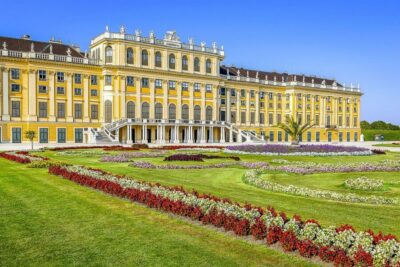
Schönbrunn Palace & Gardens Skip-the-Line Tour
Read our review →
Skip-the-Line Schönbrunn Palace & Gardens Tour
Read our review →
Bus & Schönbrunn Palace Skip-the-Line Guided Tour
Read our review →
Skip the Line Schönbrunn Palace and Gardens Guided Tour
Read our review →
Schönbrunn Palace & Garden Skip-the-Line Guided Tour
Read our review →
Panorama Train Tickets to explore Schönbrunn Palace
Read our review →
Skip-the-Line Schönbrunn Palace and Gardens Tour
Read our review →Browse the lists this tour appears in