
REVIEW · MUSEUMS
Admission Pass to The Roman Quarter and the Museum Carnuntinum
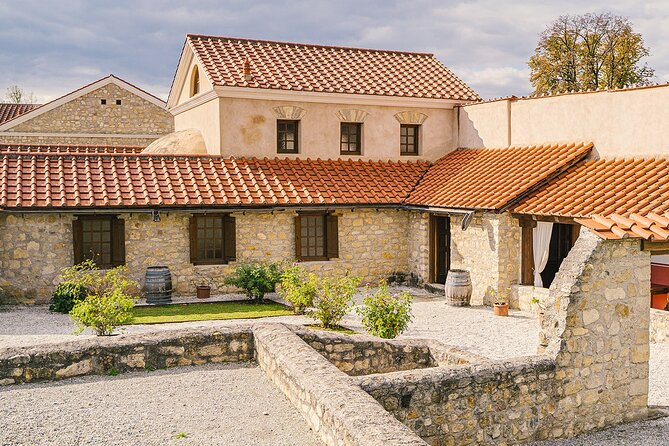
Roman houses you can walk through. In Carnuntum, Austria, the Roman Quarter and Museum Carnuntinum make Roman life feel real, not guessed.
I especially liked that you’re not stuck staring at ruins. You can move through fully functioning spaces like the Roman Therme bathhouse, and the museum’s exhibition Weltstadt am Donaulimes puts the Danube Limes story into clear context.
One thing to consider is logistics and mood: the site is split into areas, and there’s a shuttle bus on weekends this season to help with distances, but you still do a fair amount of walking. Also, the museum can feel a bit theatrical if special summer recreation events are running.
In This Review
- Key points to know before you go
- Carnuntum on the Danube Limes: what you are really stepping into
- Roman City Carnuntum: the reconstructed Roman Quarter
- Four fully functional houses and the city-life feel
- The Roman Therme bathhouse: where you should slow down
- Amphitheater setting and the gladiator-world vibe
- Museum Carnuntinum: Weltstadt am Donaulimes and 2,000 years of finds
- How the two parts fit together in about 3 hours
- Food and the Forum Culinarium pause
- What the grounds add: playground, trees, and meadows
- Price and value: is $16.21 worth it?
- Who this pass suits best
- Should you book this Roman Quarter and Museum Carnuntinum pass?
- FAQ
- How long does the Roman Quarter and Museum Carnuntinum visit take?
- What is the price per person?
- What are the opening hours during the 2025 season?
- Is a guided tour included?
- What is included in the ticket price?
- Is admission to both the Roman Quarter and the museum included?
- Is the site near public transportation?
- Are service animals allowed?
- Is free cancellation available?
- Is there help with distances between locations?
Key points to know before you go
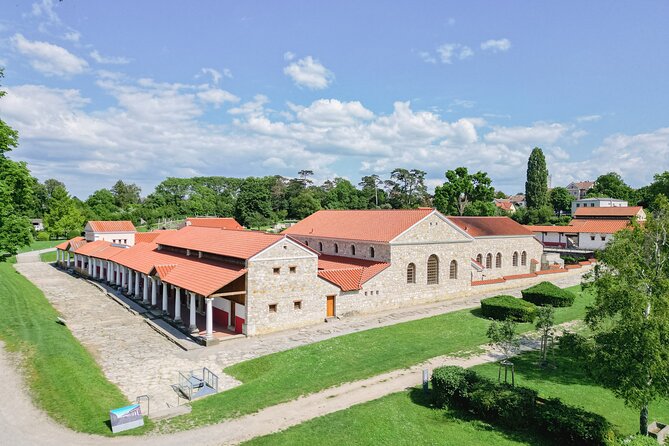
- Reconstructed Roman Quarter with functional spaces: Roman houses, bathhouse settings, and more are built for you to experience, not just look at
- Roman Therme bathhouse experience: plan time to slow down around the bathing area
- House of Lucius and other distinct home types: you see different roles and lifestyles, not one generic “Roman house”
- Museum Carnuntinum focuses on the Danube Limes: the Weltstadt am Donaulimes exhibition ties Carnuntum to the UNESCO setting near Vienna
- Family-friendly outdoor area: playground plus trees and meadows make it easier to reset between indoor sections
- Weekend shuttle bus (this season): helpful if the two parts feel far apart for your walking pace
Carnuntum on the Danube Limes: what you are really stepping into
Carnuntum sits on the Danube frontier story, the Roman world that defended roads, trade, and borders. Long ago, emperors and administrators wrote laws and strategies from places like this, even if the day-to-day was carried out by ordinary people.
What makes this experience different from many Roman sites is the approach. Instead of asking you to imagine daily life from scattered stones, the Roman Quarter recreates key buildings so you can understand how the spaces worked.
You’ll also see how the local setting matters. The museum exhibition connects Carnuntum to the larger UNESCO world heritage context along the Danube Limes, which is part of why this region keeps pulling historians back.
More museums in Austria:
- Vienna: Skip-the-Line Sisi Museum, Hofburg and Gardens Tour
★ 4.8 · 5,918 reviews - Vienna Kunsthistorisches Museum Day Admission Ticket
★ 4.6 · 3,690 reviews - Tickets for the Albertina Exhibitions
★ 4.7 · 2,126 reviews
Roman City Carnuntum: the reconstructed Roman Quarter
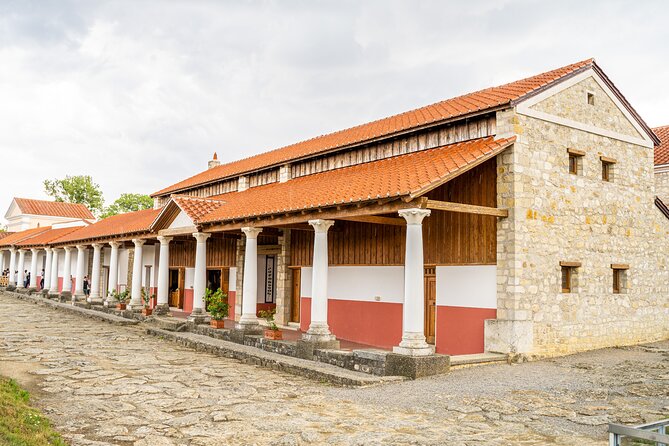
The Roman Quarter is the main showpiece of Carnuntum. It’s set up like a walk-through neighborhood, and the big win is scale. You’re not looking at a few walls; you’re getting the sense of a functioning city district.
A visitor center helps you orient fast, which matters because there is a lot to see. Once you’re oriented, you can wander through the outdoor areas with trees and meadows, then step into the recreated spaces where life looks set up for living.
One of my favorite details is how the layout mixes big public spaces with home life. That gives you a more complete picture than a museum that only focuses on artifacts.
Four fully functional houses and the city-life feel
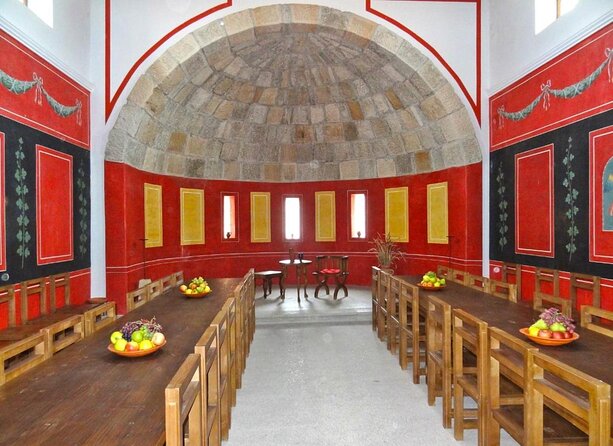
The Roman Quarter includes four fully functional houses, and each one tells a slightly different story. You start to see that Roman life was not one size fits all, even within the same city.
Here are the standout homes and what they add:
- City palace setting: gives you a sense of status and official power in the district
- Villa urbana: helps you picture a more comfortable domestic world, with visual details you can actually spot as you walk
- Oil merchant’s house: shows how commerce and everyday business fit into neighborhood life
- House of Lucius: a more bourgeois home type, where a garden stroll feels like part of the experience, not an afterthought
The common theme is “you don’t have to do all the work in your head.” The reconstructions include enough objects and layout cues that you can read the rooms as rooms.
The practical downside: with four houses plus the rest of the district, time can vanish fast. If you only like to read slowly, plan to return later or accept that you’ll skim some sections.
The Roman Therme bathhouse: where you should slow down
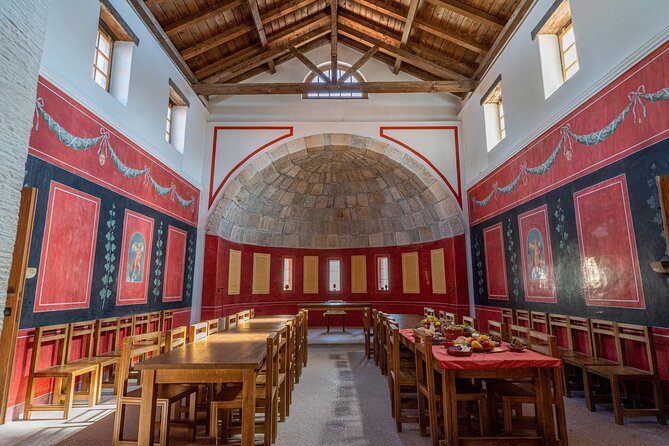
The Roman Therme bathhouse is one of the best reasons to pick this pass. The setting is built so you can experience what bathing would have felt like in that kind of space.
From a visitor standpoint, the bathhouse does two useful things. First, it gives you a “Roman ritual” moment, because baths weren’t just hygiene. Second, it adds energy to the visit, since it’s interactive in feel, not just observational.
Add in the fact that there are other residential and public buildings nearby, and you have a good rhythm: walk, pause, notice details, then move on.
Tip: don’t treat the bathhouse as a quick stop. Even if you’re a fast reader, take a few extra minutes here so the experience connects across the rest of the district.
Still the same country, a very different afternoon:
- Vienna: Vivaldi’s Four Seasons Concert in Karlskirche
★ 4.7 · 14,951 reviews - Vienna: Spanish Riding School Training
★ 3.9 · 9,281 reviews - Vienna: Skip-the-cashier-desk-line Giant Ferris Wheel Ride
★ 4.5 · 7,859 reviews - Vienna: Schönbrunn Palace & Gardens Skip-the-Line Tour
★ 4.7 · 7,739 reviews
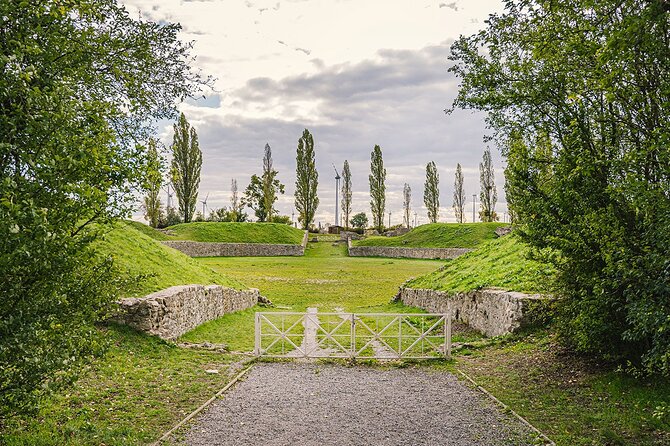
Amphitheater setting and the gladiator-world vibe
The Roman Quarter includes amphitheater settings that transport you into the gladiator-world mood. You may not get a staged show, but the spaces help you picture how entertainment worked in Roman public life.
This is a good match for you if you’re the type who likes history through atmosphere. It also helps families, because the amphitheater shapes catch the imagination quickly, even when kids are tired of long reading stops.
If you’re visiting on your first Roman-site day, this amphitheater mood can help you build context for the rest of what you’re seeing in the neighborhood.
Museum Carnuntinum: Weltstadt am Donaulimes and 2,000 years of finds
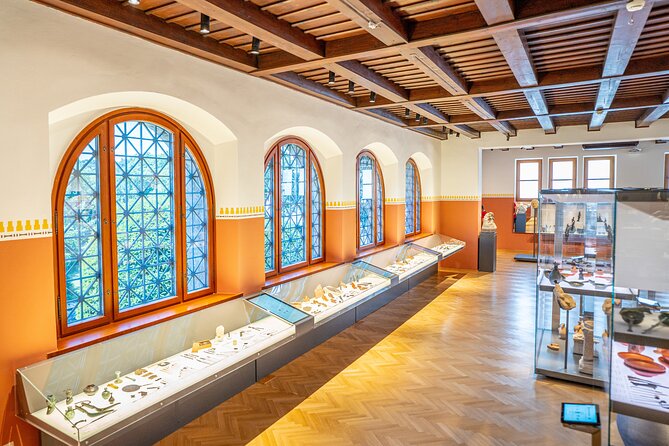
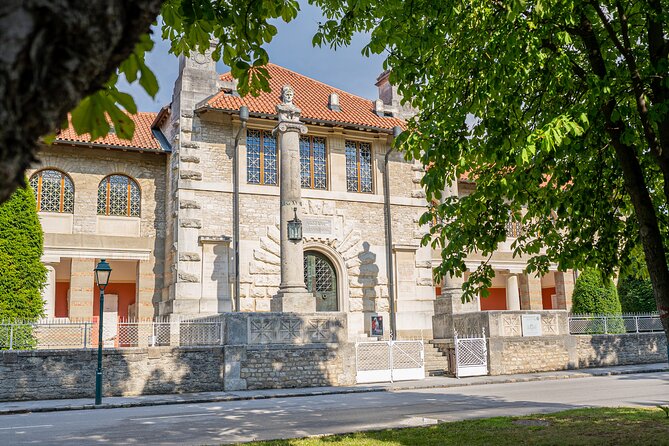
The museum is the anchor for understanding what you saw in the Roman Quarter. The Carnuntinum Museum houses finds from about 2,000 years of Roman history in Carnuntum, so it’s not just decorative displays.
The current exhibition, Weltstadt am Donaulimes (Metropolis at the Danube Limes), is designed around story. It covers the history of Carnuntum, the lives of its inhabitants, and how the UNESCO world heritage context ties into the area near Vienna.
What I like about this setup is that it turns the site from “cool buildings” into “a place with people.” You can connect the reconstructions to real objects and evidence.
If you’re short on time, don’t skip the museum. The Roman Quarter gives you the feel, but the museum gives you the why.
How the two parts fit together in about 3 hours
This pass is timed at roughly 3 hours, which is plenty for a focused visit if you manage your pace. The trick is deciding what kind of visitor you are: do you want broad coverage, or do you want to slow down for details?
A realistic flow looks like this:
- Start at the Roman Quarter and pick 2 or 3 areas to linger around, not everything equally
- After you’ve walked the main parts, switch to the museum to connect artifacts and context
- Use the outdoor areas to reset, especially if you’re traveling with kids
The site includes the visitor center and a large outdoor area, so there is room to breathe between indoor sections. That’s helpful when the day gets hot or if you just need a short break.
Food and the Forum Culinarium pause
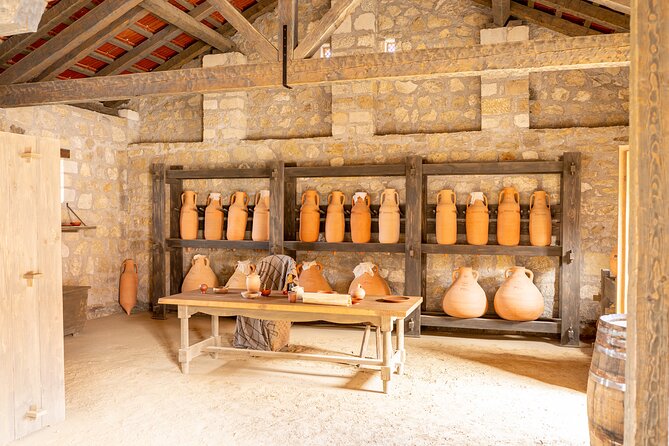
You’re not limited to snacks from a bag. The Roman Quarter includes a restaurant called Forum Culinarium, so you can take a real break without leaving the area.
I like having food options on-site because Roman-day plans are easier when you don’t burn time traveling to and from lunch. Even if you only do a quick stop, you’ll be able to keep your momentum.
If you’re planning a longer day in the region after this, using the on-site restaurant can help you avoid arriving anywhere else stressed or rushed.
What the grounds add: playground, trees, and meadows
One quiet reason this pass works well is the outdoor space. There’s a large outdoor area with trees and meadows, plus a children’s playground.
That combination matters more than it sounds. With Roman sites, adults often want to look closely, while kids want to move. A playground and open space give you a compromise that doesn’t feel forced.
Even as an adult, I found it easier to stay interested because you can step outside for a breather and then re-enter with fresh attention.
Price and value: is $16.21 worth it?
The price listed is $16.21 per person, which for this kind of two-part experience is pretty reasonable. You’re getting admission coverage that includes both the Roman Quarter and the Museum Carnuntinum.
Here’s how I think about value:
- You get reconstructed spaces, not just ruins. That means your time is spent in active environments
- You pair that with a museum that explains what you’re seeing through actual finds and the Danube Limes story
- The visit length is about 3 hours, so it’s a strong fit for a half-day plan
If you’re the type who likes to “collect memories” rather than “collect facts,” the Roman Quarter will feel like you paid for something tangible. If you prefer interpretation and artifacts, the museum will make the whole trip feel smarter.
The only financial catch is personal: if you only want one part, you might feel like you paid for more than you’ll use. But if you enjoy both buildings and objects, it’s good value.
Who this pass suits best
This is a strong choice if you want Roman life you can walk through. The Roman Quarter is the focus, and the museum is the solid follow-up that turns atmosphere into understanding.
It’s also a good fit for:
- Families who want outdoor space and a playground
- Travelers who have limited time and want a complete Roman experience in a tight window
- People who like clear organization, since the visitor center and exhibition layout help you follow the story
If you dislike walking and tend to need frequent rest stops, consider planning your pace early. The site is divided into areas, and a weekend shuttle bus is provided this season to help with distances, but you should still be ready for outdoor strolling.
Should you book this Roman Quarter and Museum Carnuntinum pass?
Yes, if you want Roman history with less imagination work and more “I can see how this would have looked.” The Roman Quarter’s functional reconstructions, the Roman Therme bathhouse experience, and the House of Lucius and other home types make it feel like a real neighborhood. Then the museum brings it together with 2,000 years of finds and the Weltstadt am Donaulimes exhibition.
Book it especially if you’re planning only one Roman-site day in the Vienna region area. The time frame is friendly, and the two-part pairing is a smart use of hours.
Skip it only if you strongly prefer quiet, traditional museums without any seasonal event atmosphere, or if you know you won’t enjoy reconstructed spaces and will feel impatient with indoor-outdoor walking.
If you like hands-on-feeling history and you want your Roman day to make sense fast, this pass is an easy yes.
FAQ
How long does the Roman Quarter and Museum Carnuntinum visit take?
The experience lasts about 3 hours.
What is the price per person?
The price is listed as $16.21 per person.
What are the opening hours during the 2025 season?
From 04/23/2025 to 11/15/2025, it is open Monday through Sunday from 9:00 AM to 5:00 PM.
Is a guided tour included?
No, guided tours are not included.
What is included in the ticket price?
All fees and taxes are included.
Is admission to both the Roman Quarter and the museum included?
Yes. Entry for both the Roman Quarter (Roman City Carnuntum) and Museum Carnuntinum is covered as part of the included admission.
Is the site near public transportation?
Yes, it is near public transportation.
Are service animals allowed?
Yes, service animals are allowed.
Is free cancellation available?
Yes, you can cancel for a full refund up to 24 hours in advance of the experience’s start time.
Is there help with distances between locations?
A shuttle bus is set up on weekends during this season to help with distances between the areas.
Fresh on the site in Austria
- Zurich: Private Liechtenstein, Austria, and Germany Day Trip★ 4.7 · 39 reviews
- Zell am See: Tauern SPA Day Ticket for Water World★ 4.5 · 9 reviews
- Zell am See: Schmittenhöhe Tandem Paragliding Flight★ 4.9 · 82 reviews
- World War II History Vienna Old Town Private Walking Tour★ 4.8 · 9 reviews
- Zell am See: Paragliding Tandem Flight★ 5.0 · 31 reviews
- Zell am See Kaprun: Private Ski Guiding with Hajo★ 5.0 · 3 reviews
- Wachau, Melk Abbey & Salzburg (Sound of Music & UNESCO)★ 5.0 · 23 reviews
- Vienna: UNESCO Schönbrunn Palace Guided Tour with Entry★ 4.5 · 94 reviews
Museums, compared.

Skip-the-Line Sisi Museum, Hofburg and Gardens Tour
Read our review →
Vienna Kunsthistorisches Museum Day Admission Ticket
Read our review →
Chocolate Workshop in Chocolate Museum w/ Tasting
Read our review →

St. Stephen’s Cathedral & Dom Museum Wien Tickets
Read our review →

Browse the lists this tour appears in