REVIEW · VIENNA TOURS
Vienna: Spanish Riding School Training
Lipizzaner practice feels like Vienna magic. At the Spanish Riding School, you watch Lipizzaner stallions and riders work in the baroque Winter Riding Academy, set to morning classical music.
I especially love how the training shows the real work behind the famous haute école moments. I also love the value: for about $20 you get an hour of first-hand access to the discipline, not just a scripted performance.
One thing to plan for: you may have a tough time with stairs and sight lines, and the commentary can be hard to hear depending on where you stand or sit.
In This Review
- Key takeaways before you go
- Vienna’s Spanish Riding School training, and why it’s worth your time
- The Winter Riding Academy: where you sit changes everything
- What you will actually watch for the full hour
- The Lipizzaner training goal: health, athleticism, and haute école readiness
- Will you see the famous jumps like levade, courbette, and capriole?
- Music in the arena: why the classical soundtrack matters
- Price and value: about $20 for an inside look at discipline
- Rules and etiquette that shape your experience
- Accessibility and comfort: plan for stairs and limited elevator access
- Who should book this Spanish Riding School training hour
- Should you book? My practical call
- FAQ
- How long is the Spanish Riding School training session in Vienna?
- Where do I exchange my voucher for a ticket?
- Is hotel pickup or drop-off included?
- Can I take photos or record video inside the arena?
- Are pets allowed?
- Are children allowed, and is there any special pricing?
- Is there an elevator at the Spanish Riding School?
- What kind of training do you see during the morning exercise?
- Are the famous school jumps performed every day?
Key takeaways before you go
- Morning exercise, not a show: expect daily conditioning and refinement, with higher-level moves sometimes appearing
- Classical music during training: the waltz-style soundtrack makes the whole hour feel extra Vienna
- You see technique, not just spectacle: relaxation work, muscle strengthening, and movement accuracy
- View and sound depend on your spot: standing and upper levels can mean you miss part of the arena
- No photos or video inside: plan for watching, not recording
Vienna’s Spanish Riding School training, and why it’s worth your time
If you care about horses even a little, this hour is a smart way to feel the Spanish Riding School from the inside. You are not walking into a glamorous evening performance. You are watching the process that keeps these horses strong, athletic, and ready for the demanding movements that people come to see.
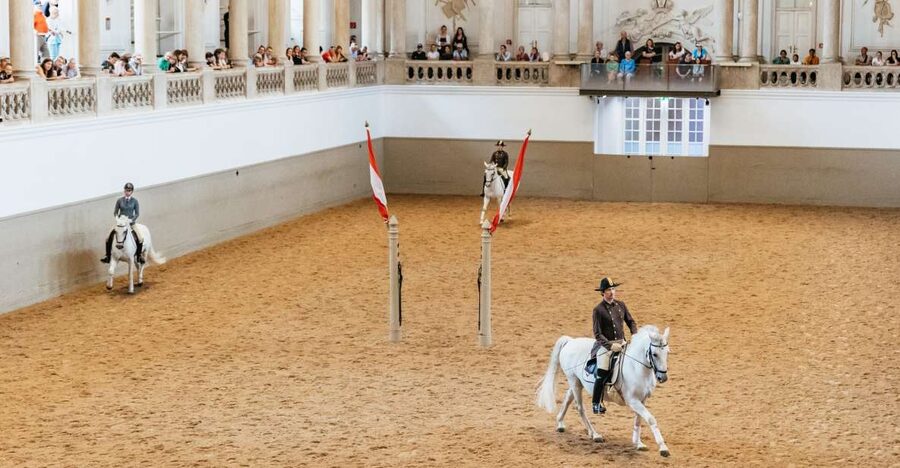
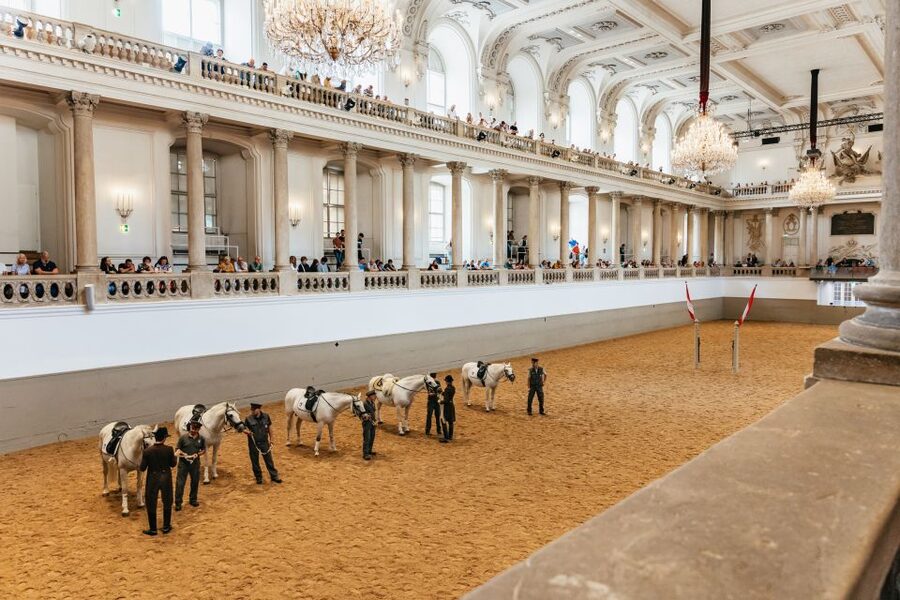
The setting helps. The training happens in the baroque Winter Riding Academy, a big, ornate arena space where you instantly understand why this institution has lasted for centuries. Then there is the sound track, classical Viennese music, which turns what could be a purely technical session into something closer to a ritual.
What makes this experience genuinely interesting is the mix of intention and repetition. The morning exercise focuses on health and athleticism, but it also builds the exact muscle groups needed later for haute école. In other words, you are watching the training plan, not only the results.
A few more Vienna options worth a side-by-side
- Vienna: Vivaldi’s Four Seasons Concert in Karlskirche
★ 4.7 · 14,951 reviews - Vienna: Skip-the-cashier-desk-line Giant Ferris Wheel Ride
★ 4.5 · 7,859 reviews - Vienna: Schönbrunn Palace & Gardens Skip-the-Line Tour
★ 4.7 · 7,739 reviews
The Winter Riding Academy: where you sit changes everything
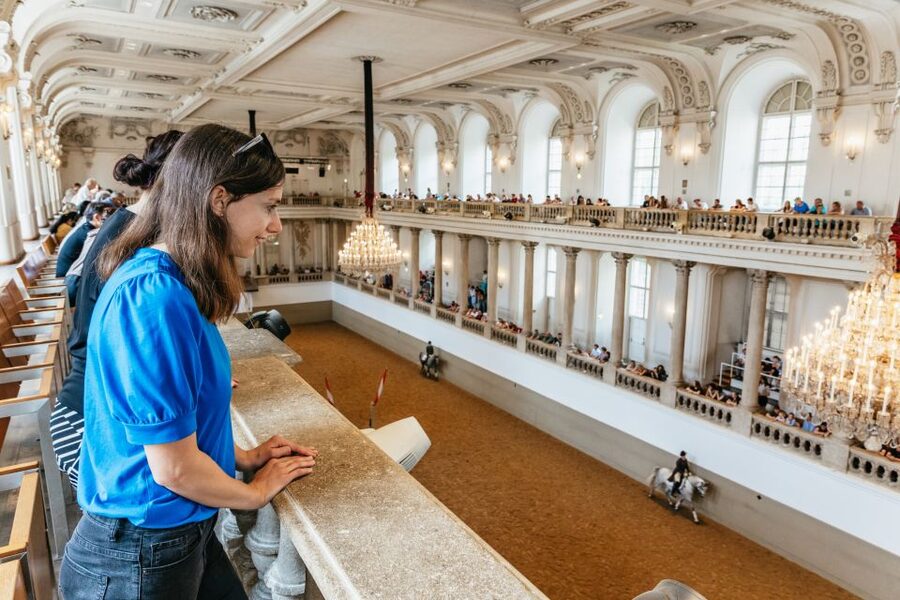
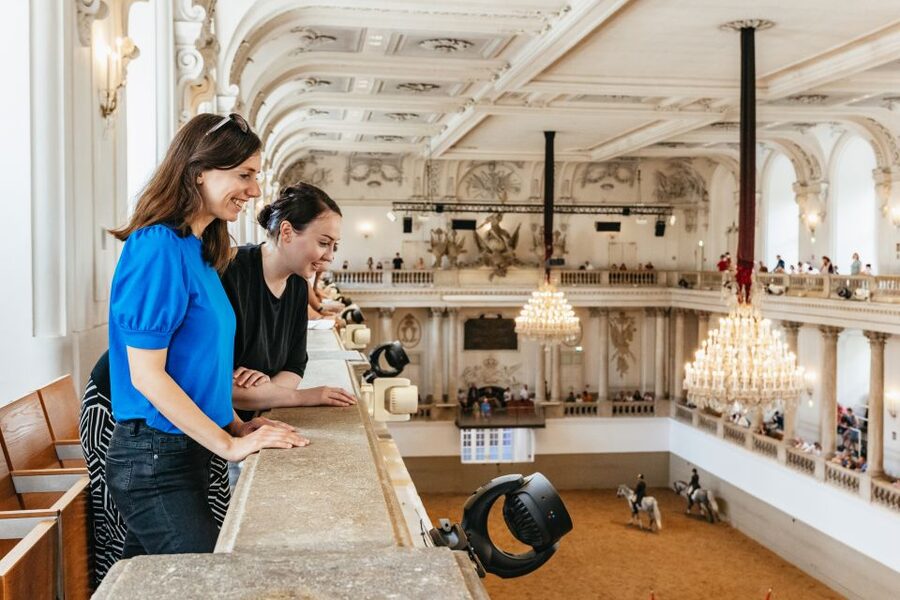
The Winter Riding Academy is magnificent, but it is also practical: it is an arena with tiered viewing areas. That means your experience can shift a lot depending on your exact location.
On some visits, people are placed in standing areas, which can be great if you want an up-close feel. The tradeoff is simple: if you stand on one side of the arena, you may miss what is happening on the far side. Upper tier seating can also affect how much you can see end to end. If you end up high, you might find yourself leaning or adjusting to follow the horses as they travel across the sand.
If you care about hearing the spoken commentary, keep this in mind. The narration can be difficult to catch if you are farther back or in a spot where sound feels muffled or blocked. If you can choose your position, think about choosing where you can both see the arena and reasonably hear the guide.
What you will actually watch for the full hour
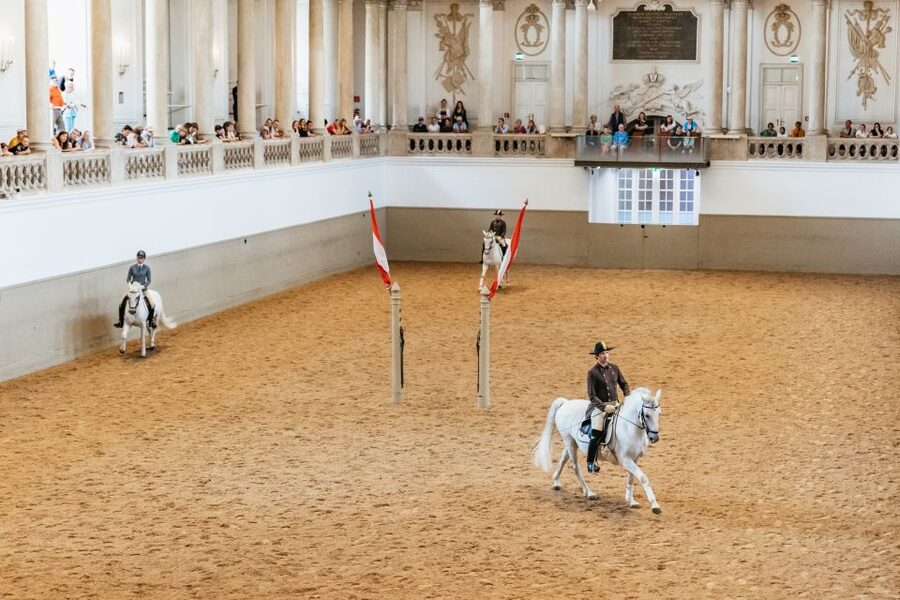
This training is built around a morning exercise that repeats key themes: relaxation, refining and perfecting movement, and strengthening specific muscles. You are watching the horses and riders make small, controlled adjustments again and again.
The session is not just one type of work. You may see simpler, more relaxing patterns that look calm on the surface, but they still matter because they help the horse maintain comfort, balance, and control. Then you may see work aimed at improving precision, rhythm, and the kind of movement required for the higher school disciplines.
You will also notice that not every rider and horse is at the exact same stage of training. The school works as a learning system, so you might catch a younger team practicing more basic elements while others move through more advanced patterns. That variety is part of the point. It shows the full ladder, from foundation to refinement.
And yes, you might see more than one round of horses in the arena during your hour. The training schedule is designed so the session stays active, rather than watching just one pair for sixty minutes.
The Lipizzaner training goal: health, athleticism, and haute école readiness
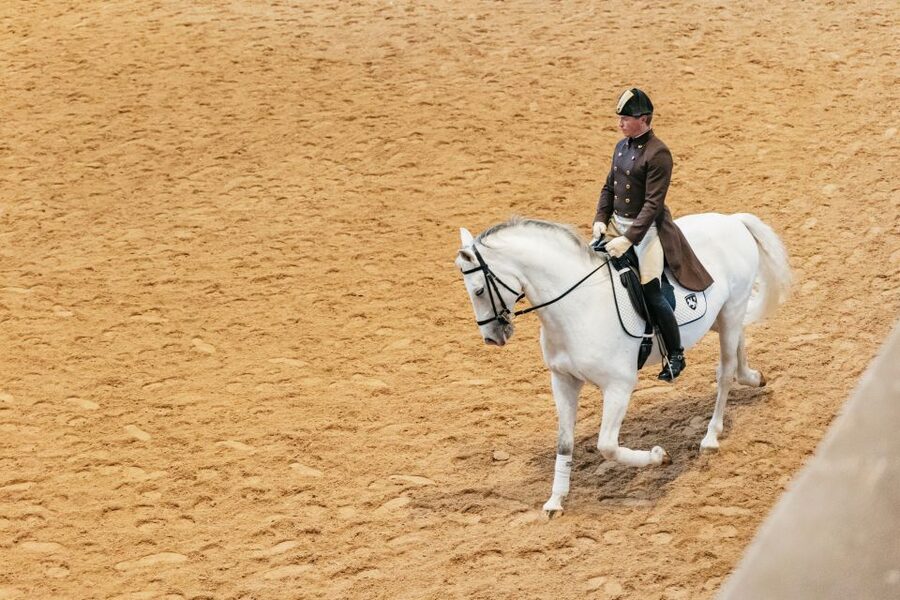
Here is what really clicks once you see the morning work: the Spanish Riding School is not only preserving a style. It is also managing a very physical discipline.
The primary objective of the morning exercise is to maintain each horse’s athleticism and health. At the same time, the work builds the muscle groups necessary for performing haute école movements. That is why you will see repeated patterns that look almost gentle, then moments that demand more collection, control, and strength.
This is where the training becomes more than watching. You start reading the movement like a coach would:
- The relaxation segments help the horse stay loose while keeping correct form.
- The refining work focuses on accuracy, timing, and the rider’s ability to guide.
- The strengthening work prepares the body for the demands of the school’s signature elements.
If your goal is to understand why the famous skills look the way they do, this training is the most direct path you can get without sitting in an evening show.
Still the same country, a very different afternoon:
- Vienna: Light of Creation Votive Church Immersive Light Show
★ 4.8 · 6,779 reviews - Vienna Spanish Riding School Guided Tour
★ 4.7 · 6,765 reviews - Vienna: Classical Concert in the World-Famous Musikverein
★ 4.6 · 6,673 reviews - Vienna: Hallstatt Day Trip with Boat Ride Option
★ 4.7 · 6,311 reviews
Will you see the famous jumps like levade, courbette, and capriole?
You might, but do not plan your expectations as if they will happen on demand. The famous school jumps like levade, courbette, and capriole are not practiced every day. They can show up during the morning exercise only sometimes.
That means many hours will feel like a steady, technical session with polished movements rather than a nonstop sequence of big, dramatic jumps. Still, the payoff is that you get to see how the work builds toward those moments. Even if the highest-level elements are not shown, the session reveals the foundation behind them.
If you are hoping to see every signature jump, consider this training as the closest you can get to the backstage logic. For the full spectacle, you would normally want the main performance. For the training experience, this is the place where you learn how the craft is maintained.
Music in the arena: why the classical soundtrack matters
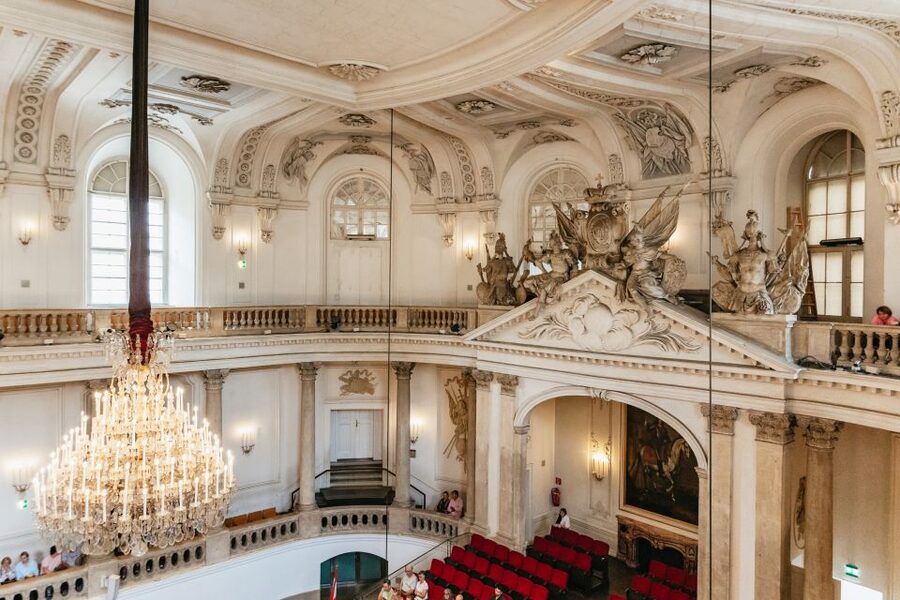
The morning exercise is accompanied by classical Viennese music. That detail sounds simple, but it changes the feel of the hour.
When the music is playing, the horse and rider movements look more synchronized, and the pacing of the training feels more intentional. Instead of watching isolated practice moments, you get a continuous flow where rhythm and calm are part of what the school is projecting.
It also helps non-horse people enjoy the session. You do not need to understand every technical term to sense when a movement is being smoothed out, when balance improves, or when the rider refines the timing.
Price and value: about $20 for an inside look at discipline
At around $20 per person for a one-hour slot, this is one of the easier “real Vienna” adds you can make to a trip. You are paying for access to a world-class tradition, in the actual historic training arena, at a time when the horses are actively working.
Is it the cheapest ticket in Vienna? Probably. Is it a bargain compared to an evening show? Often, yes, especially if you only want to see the horses training rather than buying an all-in performance ticket.
The best way to think about value here is this: you are not buying a night out, you are buying a window into how the system works. If you love technical craft, the hour is plenty. If you want a greatest-hits show with every signature element, you may leave wanting more, even if you enjoyed the training.
Rules and etiquette that shape your experience
There are several key rules you should treat as non-negotiable, because they affect what you can do inside.
- No photography or video recording inside
This matters. You will have to rely on your eyes and memory. If you are used to documenting everything, adjust your plan now.
- No pets
Keep this in mind if you are traveling with animals.
- Expect the space to be busy. The room is meant for watching, not filming, so phones and cameras are not part of the experience.
Also, since this is a protected monument environment, there is no elevator. That means your body has to do some work.
Accessibility and comfort: plan for stairs and limited elevator access
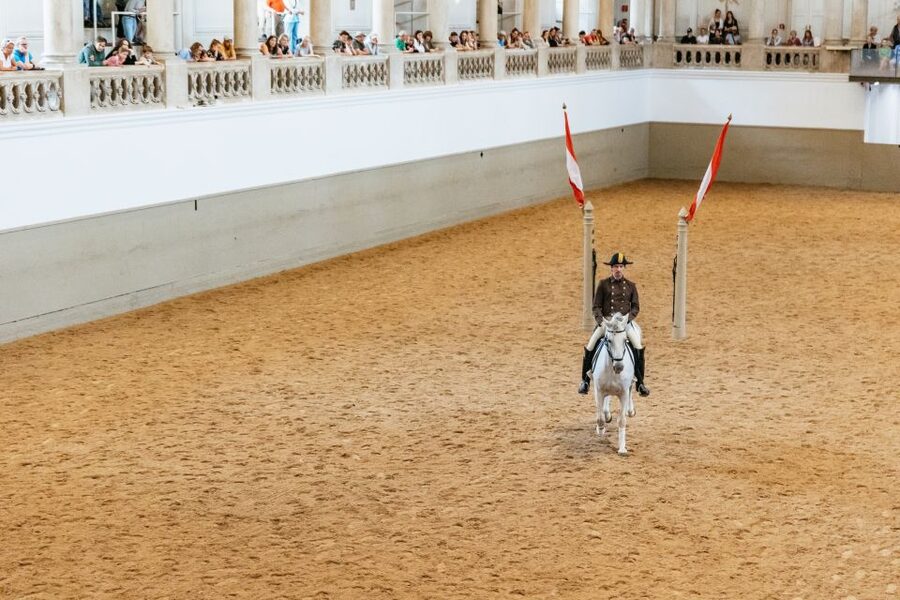
Due to monument protection, there is no elevator. If you use a wheelchair or have walking difficulties, you should request information in advance so you can be directed to the best feasible option.
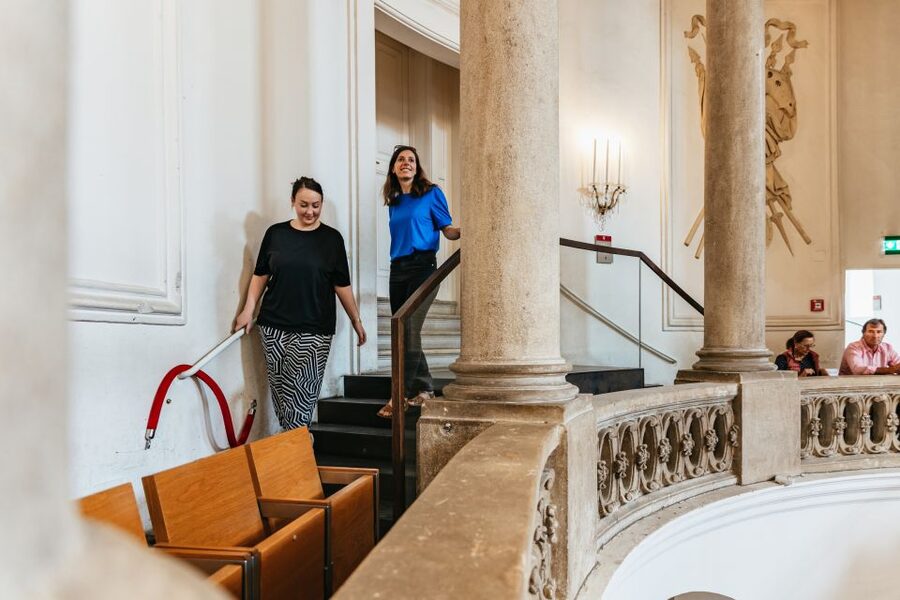
Even for able-bodied visitors, be prepared for stairs. People who ended up higher in the arena often reported that climbing can be demanding, especially with children or older adults.
Comfort tip: bring whatever helps you stay steady while watching, because you might be standing for part of the hour. If you are choosing between viewing areas, think about both sight lines and how long you can comfortably stay put.
Who should book this Spanish Riding School training hour
Book it if you:
- love horses and want to see the training process, not only the final performance
- want an affordable add-on to a Vienna visit
- enjoy classical music and historic venues
This is also a smart choice if you cannot line up tickets for an evening show. Training day still gives you the core magic: white stallions, disciplined riders, and the real routine that keeps the school going.
Consider skipping or pairing with a main performance if you:
- are only interested in the signature jumps every time
- need easy, step-free access
- plan to rely on photos and video as your main way to enjoy the experience
Should you book? My practical call
I think this is a “yes” for most horse lovers and many first-timers. The hour gives you real access to how the Spanish Riding School keeps its horses fit and ready for haute école, with classical Viennese music playing in the background. It is also a strong value at about $20, because you get the context and technique that make the famous movements understandable.
If you book, go in with the right mindset: you are here to watch training craft, not to guarantee a jump-heavy highlight reel. Also, plan for stairs, and be ready to experience it with your eyes, not your phone.
FAQ
How long is the Spanish Riding School training session in Vienna?
The training lasts 1 hour.
Where do I exchange my voucher for a ticket?
Present your voucher at the Spanish Riding School entrance to exchange it for a ticket.
Is hotel pickup or drop-off included?
No, hotel pickup and drop-off are not included.
Can I take photos or record video inside the arena?
No. Photography inside and video recording are not allowed.
Are pets allowed?
No, pets are not allowed.
Are children allowed, and is there any special pricing?
Children aged 3 to 5 get free admission if they must sit on an adult’s lap. Children aged 6 to 18 receive discounted admission. Admission is not permitted for children under age 3.
Is there an elevator at the Spanish Riding School?
No. There is no elevator due to monument protection. Wheelchair users and people with walking difficulties should send a request in advance.
What kind of training do you see during the morning exercise?
You see relaxation exercises, refining and perfecting movement, and exercises aimed at strengthening certain muscles.
Are the famous school jumps performed every day?
No. The famous school jumps like levade, courbette, and capriole are not practiced on a daily basis and can only sometimes be seen during the morning exercise.
Fresh on the site in Vienna
- World War II History Vienna Old Town Private Walking Tour★ 4.8 · 9 reviews
- Vienna/Bratislava: Traunkirchen, Hallstatt & Salzburg Tour★ 4.8 · 53 reviews
- Vienna: Winery and Wine Tasting Tour with a Wine Expert★ 5.0 · 5 reviews
- Vienna/Bratislava: Day Trip to Hallstatt & Salzburg★ 4.8 · 21 reviews
- Vienna: Wine Tasting Tour★ 4.8 · 61 reviews
- Vienna: Wiener Schnitzel and Strudel Cooking Class★ 4.9 · 126 reviews
- Vienna: Waltz into the Ball Season★ 4.7 · 3 reviews
- Vienna: Wine Tasting E-Bike Tour★ 4.9 · 46 reviews
Vienna Tours, compared.

Vivaldi’s Four Seasons Concert in Karlskirche
Read our review →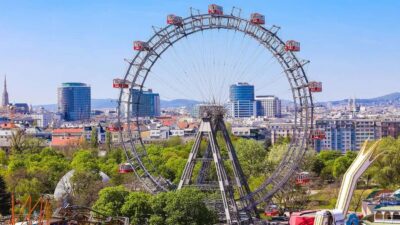
Skip-the-cashier-desk-line Giant Ferris Wheel Ride
Read our review →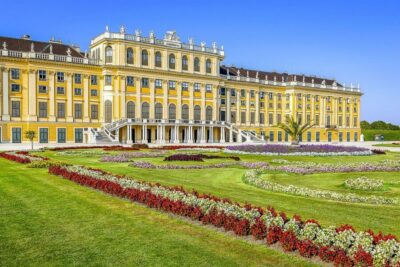
Schönbrunn Palace & Gardens Skip-the-Line Tour
Read our review →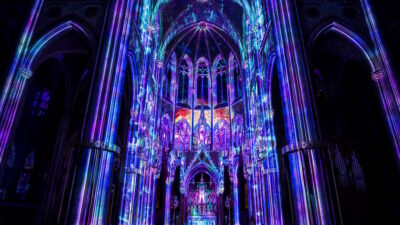
Light of Creation Votive Church Immersive Light Show
Read our review →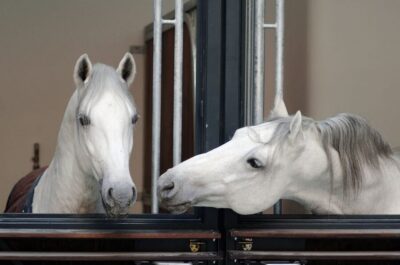
Classical Concert in the World-Famous Musikverein
Read our review →