
REVIEW · MUSEUMS
Admission to the Sigmund Freud Museum
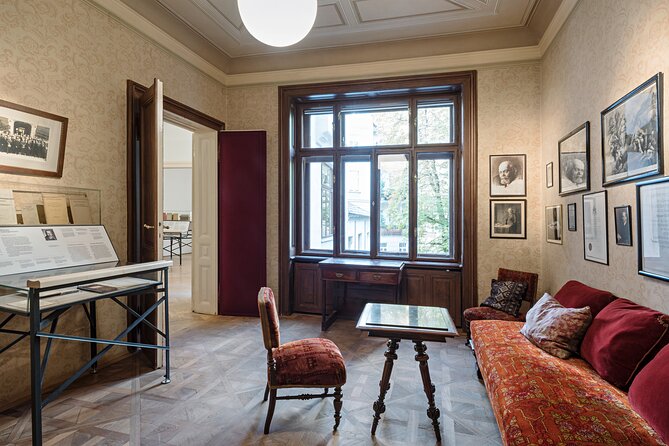
Freud’s Vienna address still grabs you. A visit to the Sigmund Freud Museum at Berggasse 19 lets you walk through the home and working space of a man who shaped modern ideas about the mind.
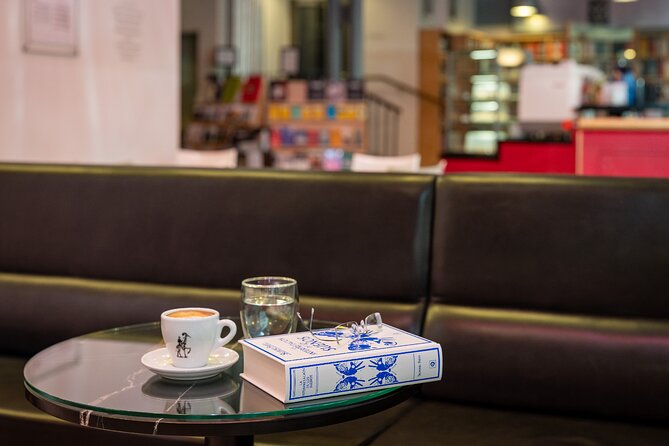
I love two things most. First, the exhibition uses original objects and furniture to recreate the feel of Freud’s apartment and consulting rooms, and the 1930s films add a human pulse to the story. Second, you can finish with a relaxed stop at the cosy café and browse a well-stocked bookshop for thoughtful souvenirs.
One heads-up before you go: the museum can feel crowded, and parts of the experience may not match the idea of a perfectly restored, fully period furnished home.
In This Review
- Key highlights
- A ticket to Berggasse 19, Freud’s workday turned into a museum
- The permanent exhibition: family life meets the birth of psychoanalysis
- Freud’s rooms and consulting space: what you should look for
- Films from the 1930s: a small detail that changes the mood
- Special exhibitions and conceptual art: how the museum connects past to now
- Getting your timing right for a 2 hour Freud Museum stop
- Expectations check: restored rooms, furniture, and why some visitors feel mixed
- Mobile ticket, on-site comfort, and leaving with something useful
- Value for your money: why this ticket makes sense
- Who should book, and who might want to plan differently
- Should you book the Sigmund Freud Museum ticket?
- FAQ
- How long is the Sigmund Freud Museum admission experience?
- How much does admission cost?
- Is the admission ticket included?
- Do I receive a mobile ticket?
- When do I get confirmation of my booking?
- What is the cancellation policy?
- Are service animals allowed?
- Is the museum near public transportation?
- Is this experience suitable for most travelers?
- How far in advance is this typically booked?
Key highlights
- Berggasse 19, 1090 Vienna: Freud lived here with his family and worked there for decades
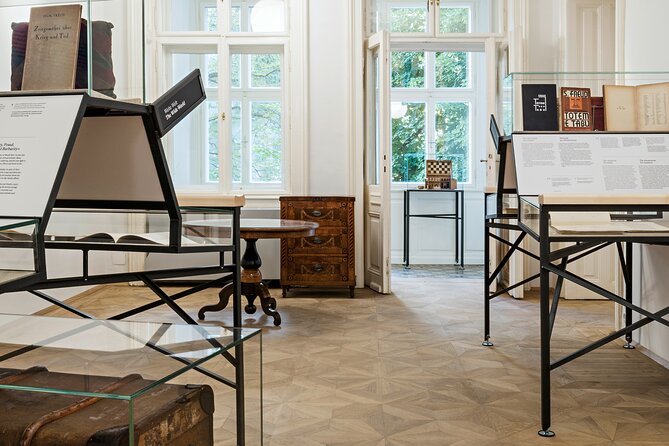
- Original rooms and objects: the apartment setting helps you understand where the work happened
- 1930s films: moving visuals of private life give context beyond theory
- Psychoanalysis basics made practical: the permanent exhibition ties Freud’s ideas to everyday experience
- Café and bookshop on site: an easy way to round out a 2 hour visit with something to take home
- Changing special exhibitions: you’ll see how the museum connects Freud to what people think and create now
A ticket to Berggasse 19, Freud’s workday turned into a museum
The story starts at street level in Vienna, at Berggasse 19. This is where Sigmund Freud lived with his family, while maintaining his world-famous practice for nearly 50 years. That detail matters, because this museum is not just about “who Freud was,” it is about the place where he lived and worked.
You get a focused visit, about two hours, built around admission to the museum. It’s priced at $18.02 per person, which is fair for a site with preserved rooms, films, and a permanent exhibition that’s designed to be read and watched, not just skimmed.
If you like museums that feel personal and specific, this one hits. You are not chasing huge galleries. You are stepping into a single address that shaped a global conversation about the mind.
More museums in Vienna:
- Vienna: Skip-the-Line Sisi Museum, Hofburg and Gardens Tour
★ 4.8 · 5,918 reviews - Vienna Kunsthistorisches Museum Day Admission Ticket
★ 4.6 · 3,690 reviews - Tickets for the Albertina Exhibitions
★ 4.7 · 2,126 reviews
The permanent exhibition: family life meets the birth of psychoanalysis
Inside, the permanent exhibition introduces you to Freud’s work and to his family life. That combination is the key. Freud’s ideas grew out of real people, real relationships, and real daily routines, even when the subject gets abstract.
The display also helps you connect psychoanalysis to a bigger historical frame. Freud’s world was changing fast, and the museum includes context for the turbulent time he lived through. If you want to understand why certain ideas landed the way they did, this structure helps you.
What I like about the way this is presented is that it gives you anchors. You are not left only with big concepts. You see a home setting, then you move into the working rooms and materials connected to his practice.
Freud’s rooms and consulting space: what you should look for
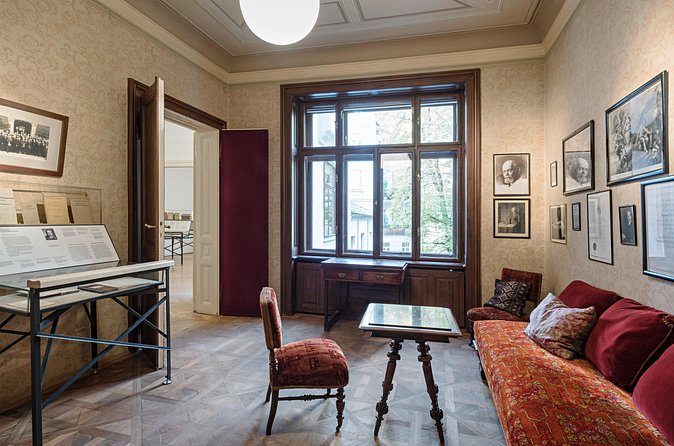
This visit works best if you slow down for the rooms rather than rushing straight to the most famous items. Reviews often mention seeing the “famous couch” and other atmosphere-building details, and the museum is clearly built to support that kind of close looking.
Pay attention to the original objects and furniture. They do more than decorate a room. They show the physical environment that framed how Freud thought and worked. In one of the areas tied to his study, you may notice a kind of crowded, object-heavy feel that many visitors find surprisingly authentic, like an inventor’s workspace.
Also keep your eyes open for documentation. Several accounts praise how well the museum is documented, meaning you should find enough labeling and explanation to make the experience feel coherent even if you only know a little about psychoanalysis going in.
The practical takeaway: give yourself time to read the captions and watch any film clips you encounter. The best learning happens when you match an object to an explanation, not when you just walk past it.
Films from the 1930s: a small detail that changes the mood
One of the most distinctive elements is the use of unique films from the 1930s. These short pieces add something printed labels cannot. They make Freud’s story feel less like a textbook summary and more like real human life under pressure.
If you care about how ideas get formed, films help you understand tone. You get body language, atmosphere, and a sense of how the family and the private world were lived. That is especially valuable in a museum that is built around preserved spaces.
Watch these if you can. Then do a quick follow-up look back at the rooms. You will often notice new details when you return to the apartment setting with images in your head.
A few more Vienna options worth a side-by-side
- Vienna: Vivaldi’s Four Seasons Concert in Karlskirche
★ 4.7 · 14,951 reviews - Vienna: Spanish Riding School Training
★ 3.9 · 9,281 reviews - Vienna: Skip-the-cashier-desk-line Giant Ferris Wheel Ride
★ 4.5 · 7,859 reviews - Vienna: Schönbrunn Palace & Gardens Skip-the-Line Tour
★ 4.7 · 7,739 reviews
Special exhibitions and conceptual art: how the museum connects past to now
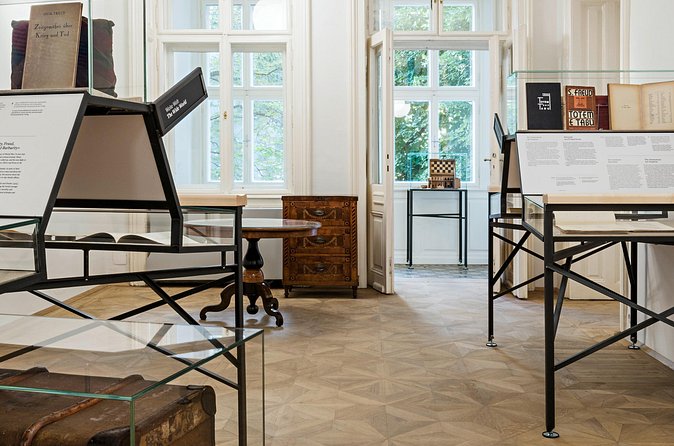
Beyond the permanent display, the museum also includes changing special exhibitions and references to the present through a conceptual art collection. This part can be useful, even if you are primarily there for Freud.
The reason is simple: psychoanalysis is not frozen in history. Museums like this try to show how Freud’s legacy still influences art, psychology, and public conversation today. The conceptual elements can feel like a change of gear, but they also prevent the visit from becoming only a memorial.
If you are the type who likes a museum to have a “so what” ending, spend a few minutes on these contemporary links. They can help you leave with questions rather than just facts.
Getting your timing right for a 2 hour Freud Museum stop
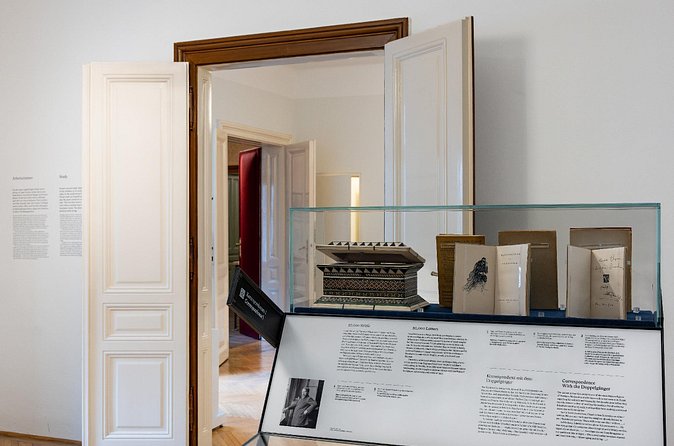
A typical visit is about two hours. That sounds short, but the museum packs a lot into that time: preserved rooms, an exhibition track, film elements, plus areas for special exhibitions.
Here is the approach I recommend:
- Start with the flow the museum gives you, then slow down at the rooms that feel most “hands on”
- Plan a pause for reading labels, especially where they connect objects to psychoanalysis ideas
- If a film is running, don’t skip it just because you are eager to move on
Crowd levels can affect your experience. When the museum is busy, it can be hard to stand quietly in front of a room detail or read smaller text. If you can, choose a time when you expect lighter foot traffic, then use the two hour window for a steady pace.
Also, consider that this is a house museum. You are walking through a specific building layout, so it is easier to cover than a sprawling museum, but you still need time to absorb what you see.
Expectations check: restored rooms, furniture, and why some visitors feel mixed
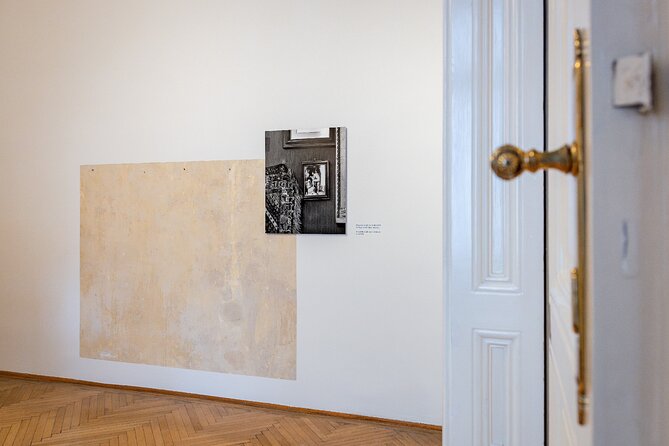
This is the one part where I think you should manage expectations. There are reports that the experience may not match the idea of a fully restored, period furnished home. One account specifically mentions renovation in 2020 and a look with white walls and fewer period furniture pieces or replicas.
At the same time, other experiences focus on the authenticity of preserved areas and emphasize the feel of Freud’s study and the presence of many artifacts. That tension is why you may feel two different things on your visit: some rooms may feel more like curated displays, while other spaces feel strongly lived in.
So, if you are going for furniture-as-time-capsule, arrive ready for a more exhibition-style interpretation in some areas. If you are going for the link between objects, rooms, and psychoanalysis, you will likely get what you want.
A helpful trick: let the objects guide you. Even when a room looks minimal, the museum’s emphasis on original items and documented context tends to carry the story.
Mobile ticket, on-site comfort, and leaving with something useful
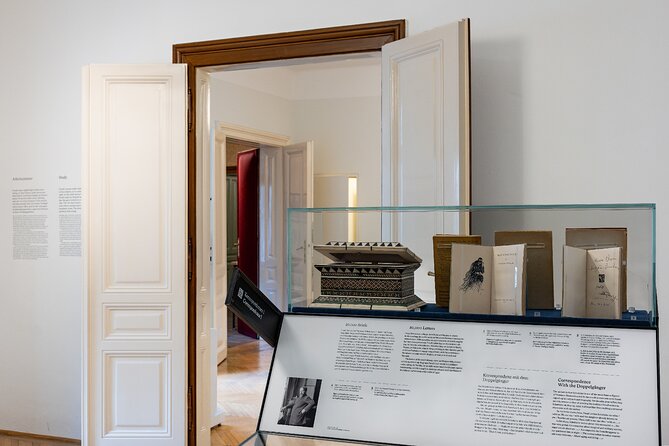
Your admission is included, and you use a mobile ticket. That is a modern convenience, and it also helps you avoid the friction of printing and lining up without a plan.
On a practical level, I love that the experience includes a cosy café and a shop right on site. After two hours of rooms and ideas, it is nice to sit down and reset. The bookshop can also be a real part of the value. If you want to keep learning after you leave, you can pick up a guide-style book or a Freud-related title geared for curious visitors.
This is not just a “see it then leave” stop. It is a museum visit you can close thoughtfully. You walk in for the apartment story, then you walk out with either a small purchase or a bit of mental closure.
Value for your money: why this ticket makes sense
Let’s talk value in a grounded way. At $18.02, you are paying for admission to a museum that includes preserved spaces, an exhibition designed around original material, and film elements. You are also paying for location value, since Berggasse 19 is not an abstract museum address, it is Freud’s lived-in home and working base.
For two hours, it is a reasonable spend if you:
- have any interest in psychology or psychoanalysis history
- want a Vienna stop that is specific, not generic
- like museums where the setting itself matters
If your idea of a must-see museum is massive scale, you might prefer a larger venue. But if you are after accuracy of place and a concentrated experience, this ticket fits your day better than a “half-hour photo stop.”
Who should book, and who might want to plan differently
This museum is a strong match for you if you:
- enjoy early 20th-century Europe and the way ideas spread
- like history that happens in real locations, not only in documents
- want a guided-by-exhibition experience where you can read, watch, and look at objects
It can also work well for families, since most travelers can participate and the layout is manageable. You also have practical comfort options with the café and shop.
If you are someone who needs a fully furnished, classic “this is exactly how it looked” presentation in every room, you may feel let down by how some spaces are presented. In that case, spend extra time on the preserved areas and the film sections rather than focusing only on furniture details.
Should you book the Sigmund Freud Museum ticket?
Book it if you want a focused, Vienna-specific visit tied to a single address. This is one of those places where the building itself is part of the story, and the museum does a good job of combining rooms, objects, films, and explanatory context into a workable two hour plan.
Skip or adjust expectations if you are mainly seeking an ultra restored, all furniture-at-every-angle experience. The museum is still worth it for the atmosphere and the learning value, but go in ready for curated presentation in some rooms, especially when you see minimalist staging.
If your schedule is flexible, booking is often done ahead, and the ticket is tied to your museum entry. And if plans change, you can cancel for free up to 24 hours in advance for a full refund, which gives you a safety net.
FAQ
How long is the Sigmund Freud Museum admission experience?
The experience lasts about 2 hours.
How much does admission cost?
The price is $18.02 per person.
Is the admission ticket included?
Yes, the admission ticket is included.
Do I receive a mobile ticket?
Yes, the ticket is provided as a mobile ticket.
When do I get confirmation of my booking?
Confirmation is received at the time of booking.
What is the cancellation policy?
You can cancel for free up to 24 hours in advance for a full refund. If you cancel less than 24 hours before the experience starts, the amount you paid will not be refunded.
Are service animals allowed?
Yes, service animals are allowed.
Is the museum near public transportation?
Yes, it is near public transportation.
Is this experience suitable for most travelers?
Yes, most travelers can participate.
How far in advance is this typically booked?
On average, it is booked 25 days in advance.
Fresh on the site in Vienna
- World War II History Vienna Old Town Private Walking Tour★ 4.8 · 9 reviews
- Vienna/Bratislava: Traunkirchen, Hallstatt & Salzburg Tour★ 4.8 · 53 reviews
- Vienna: Winery and Wine Tasting Tour with a Wine Expert★ 5.0 · 5 reviews
- Vienna: Wine Tasting Tour★ 4.8 · 61 reviews
- Vienna/Bratislava: Day Trip to Hallstatt & Salzburg★ 4.8 · 21 reviews
- Vienna: Wiener Schnitzel and Strudel Cooking Class★ 4.9 · 126 reviews
- Vienna: Waltz into the Ball Season★ 4.7 · 3 reviews
- Vienna: Wine Tasting E-Bike Tour★ 4.9 · 46 reviews
Museums, compared.

Skip-the-Line Sisi Museum, Hofburg and Gardens Tour
Read our review →
Vienna Kunsthistorisches Museum Day Admission Ticket
Read our review →
Chocolate Workshop in Chocolate Museum w/ Tasting
Read our review →
St. Stephen’s Cathedral & Dom Museum Wien Tickets
Read our review →
Browse the lists this tour appears in