
REVIEW · MUSEUMS
MAK – Museum of Applied Arts, Vienna, Ticket
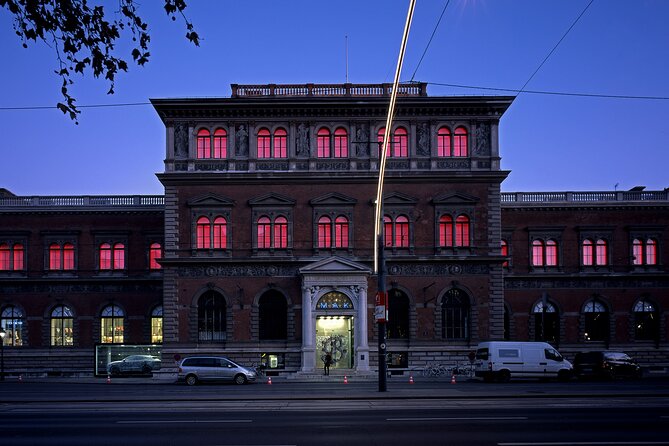
One sentence can sum up the MAK: art and design on purpose. The MAK Museum of Applied Arts is one of Vienna’s best places to connect objects to ideas, with exhibitions ranging from medieval pieces to design from today, all inside a beautiful building on the Ringstraße.
I especially like how the museum mixes categories people often keep separate, like art, fashion, architecture, and furniture, so your brain has to work a little in a good way. I also like that your ticket covers both the permanent collection and temporary exhibitions, so you can build a visit that fits your mood, not a fixed checklist. One possible drawback: if you only want classic painting and nothing else, parts of the museum may feel more focused on design and applied arts than you expect.
In This Review
- Key things to know before you go
- Why the MAK museum on Vienna’s Ringstraße feels different
- Price and value: what you get for around $21.72
- Ticket coverage and what to plan to see in 1 to 2 hours
- Entering the MAK: a smoother arrival than you expect
- Stop 1: the MAK on the Ringstraße, where design becomes a story
- From medieval to today: how to focus your eyes
- Special exhibitions and the design-furniture balance
- What the permanent collection feels like in real life
- Should you add food during your MAK visit?
- How the museum experience fits different traveler styles
- Should you book this MAK Museum of Applied Arts ticket?
- FAQ
- How long does the MAK museum ticket take?
- What is included with the MAK ticket?
- Does the ticket include temporary exhibitions too?
- Is this experience offered in English?
- Are children and teens charged for admission?
- Can I cancel for a full refund?
Key things to know before you go
- Skip-the-line entry for quicker access, plus a smooth start to the visit
- Free digital MAK guide to help you choose what to see first
- Permanent plus temporary exhibitions in one ticket, so you are not forced to rush
- A museum building that gets praise for itself, not just for what hangs inside
- A wide time span from medieval to today, including Vienna around 1900 themes
- Group size capped at 15, which makes the experience feel less chaotic
Why the MAK museum on Vienna’s Ringstraße feels different
The MAK is not a museum that only asks you to look. It asks you to notice how people made and used things, and why those objects mattered. That might sound academic, but in practice it means you can move through rooms and feel the shift in taste over centuries, from older craftsmanship to modern design language.
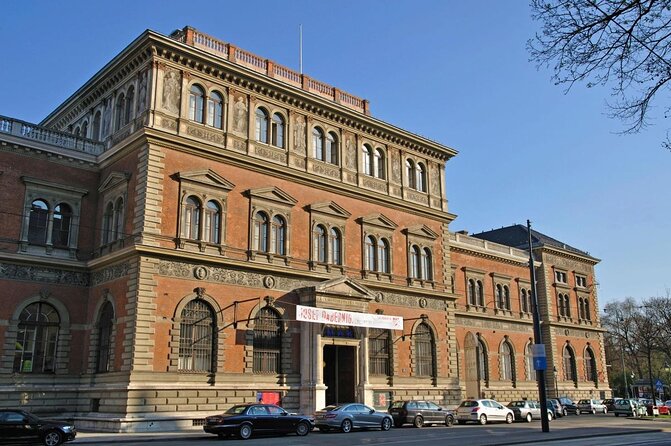
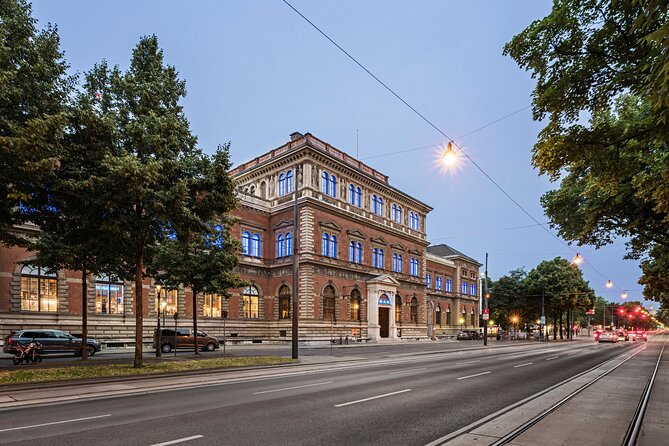
The setting helps. The museum sits in a major historic building on the Ringstraße, the Vienna boulevard where architecture is part of the show. Reviews often call out that the building itself is worth the visit, and I get why. Even when you are not fully locked into the exhibitions, the rooms, scale, and light make it feel like you’re in a place designed for lingering.
What I like most is the museum’s “past meets future” approach. The MAK collection spans five centuries, but you are not stuck in one style or one era. You see the long story of applied arts, but you also see how contemporary exhibitions respond to challenges of the 21st century. In plain terms, the museum does not treat design like an antique hobby. It treats it like a living conversation.
More museums in Vienna:
- Vienna: Skip-the-Line Sisi Museum, Hofburg and Gardens Tour
★ 4.8 · 5,918 reviews - Vienna Kunsthistorisches Museum Day Admission Ticket
★ 4.6 · 3,690 reviews - Tickets for the Albertina Exhibitions
★ 4.7 · 2,126 reviews
Price and value: what you get for around $21.72
For about $21.72 per person, this ticket is a solid value if you plan to actually use the museum time. The key detail is that it is not just a pass to wander one small set of rooms. Your admission ticket is valid for the permanent collections and all temporary exhibitions, so you get breadth without paying for separate add-ons.
Also, the ticket is built for a calmer arrival. It includes skip-the-line access, which matters in a city where museums can swing from quiet to crowded fast. Even if you arrive at a gentler hour, that skip-the-line benefit still saves you the “standing around deciding” time.
Practical bonus: you get a free digital MAK guide, free cloakroom, and free Wi-Fi. When I’m spending museum time, I want the basics handled so I can focus on the art and objects, not on logistics like finding storage or fighting weak internet.
Ticket coverage and what to plan to see in 1 to 2 hours
The duration listed is roughly 1 to 2 hours, and that range is realistic. The MAK is wide, but it is not the kind of museum that forces you to cover everything. Instead, it rewards smart choices.
Here is a good way to plan your time:
- Start with the permanent highlights you care about most.
- Add one temporary exhibition only if it genuinely interests you.
- Leave a little buffer, because when a room clicks, you will want more minutes than you expect.
The museum is open Tuesday through Sunday, 10:00 AM to 6:00 PM. That late morning start is friendly if you are doing other Vienna sights earlier in the day. If you are visiting multiple museums in one stretch, this works well as a focused “design and applied arts” stop rather than a half-day obligation.
One more detail that helps you enjoy the visit: this activity has a maximum of 15 travelers. That size tends to feel more comfortable than big tour groups, especially when you’re moving between rooms.
Entering the MAK: a smoother arrival than you expect
A small thing, done right, can make a museum day feel better. With this ticket, you get help at the entrance, plus a straightforward way to collect your materials. Your tickets are held at the MAK for collection on the day. That means you do not have to chase down some offsite pickup point right when you’re on a schedule.
The museum is near public transportation, which is useful because you can build the day around it without committing to a car or complicated routing. And there is a free cloakroom, which is a big deal in Vienna weather. If you arrive with a jacket, umbrella, or bag, you will likely want to store it so you can move freely through exhibition rooms.
Language is another plus. This experience is offered in English, so you can comfortably use the digital guide and navigate without feeling stuck.
A few more Vienna options worth a side-by-side
- Vienna: Vivaldi’s Four Seasons Concert in Karlskirche
★ 4.7 · 14,951 reviews - Vienna: Spanish Riding School Training
★ 3.9 · 9,281 reviews - Vienna: Skip-the-cashier-desk-line Giant Ferris Wheel Ride
★ 4.5 · 7,859 reviews - Vienna: Schönbrunn Palace & Gardens Skip-the-Line Tour
★ 4.7 · 7,739 reviews
Stop 1: the MAK on the Ringstraße, where design becomes a story
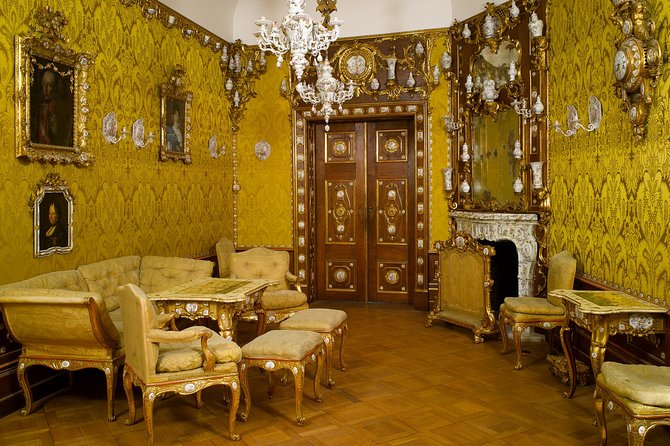
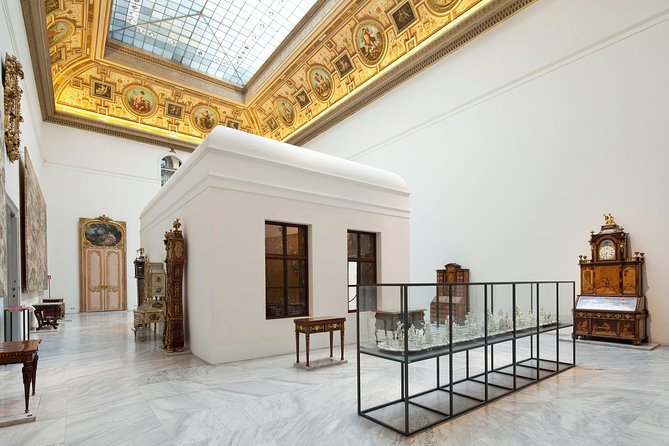
Your whole visit centers on the MAK museum building, and that is a good thing. The museum’s exhibition rooms are described as spacious, and they were designed by contemporary artists. That matters, because it changes how you experience the older and newer collections. You are not walking through a maze of cramped corridors. You’re moving through rooms that feel intentionally staged.
The museum experience is built around selected highlights of the MAK collection from five centuries. That means you are not seeing a single niche topic. You get a broader sense of what applied arts looked like at different moments, and how trends changed as Vienna and Europe moved into new eras.
You can also expect special exhibitions in fields like art, design, fashion, and architecture. These exhibitions are presented as part of how the museum responds to the challenges of the 21st century. Even without specific exhibition names, the takeaway for you is clear: you are going to see objects with a point of view, not just display cases.
From medieval to today: how to focus your eyes
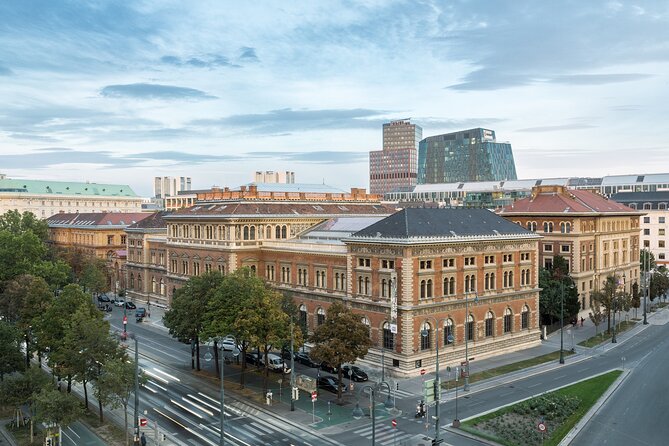
Seeing “rare artwork from the Middle Ages to today” sounds like a lot, and it is. The trick is not to force yourself to admire everything equally. Instead, use the museum’s time span to guide your attention.
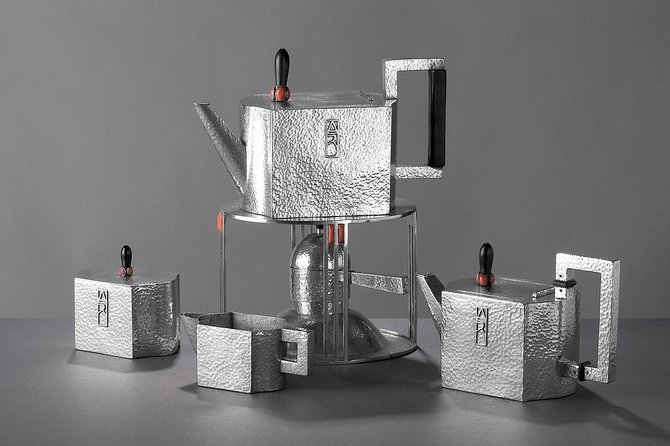
If you love craftsmanship, look for the contrast between early pieces and later design. The way materials are treated, how objects are shaped, and what they are meant to do often shows you a bigger cultural shift than a written description would.
If you love modern design, pay attention to how the museum presents newer works alongside older ones. That “applied arts” framing makes the comparison feel natural. It’s not about ranking what is best. It’s about seeing how ideas evolved.
One important theme here is Vienna around 1900, a period tied to a cultural revolution in the city. The museum’s collection and exhibitions are a good match for that era if you like the “why did everything change?” question. You’ll likely come away noticing that design was not just about style. It was about modern life, technology, identity, and new ways to think about everyday objects.
Special exhibitions and the design-furniture balance
One of the best parts of the MAK is the variety. Reviews mention a wide spread of design that mixes old and new. They also mention that some parts land harder than others, and in one case, the furniture-focused experience was rated higher than other areas.
So here is my practical advice: decide in advance what kind of museum energy you want.
- If you are most excited by furniture and tangible design, spend extra time there first. If it grabs you, it will make the rest of the museum feel more coherent.
- If fashion and architecture catch your attention, keep your choices flexible. You can jump rooms without guilt, because the ticket covers more than the permanent galleries.
Also, don’t punish yourself if one room disappoints you. That is normal in any museum that ranges from centuries and disciplines. The value is that you have options. With temporary exhibitions included, you can adjust your route mid-visit based on what you actually enjoy.
What the permanent collection feels like in real life
Your ticket includes the permanent collection, which is where the museum can reward repeat attention. Even in a short visit, you can feel the museum’s identity through a few recurring elements:
- strong design thinking
- applied arts as cultural record
- objects presented as part of everyday and imagined life
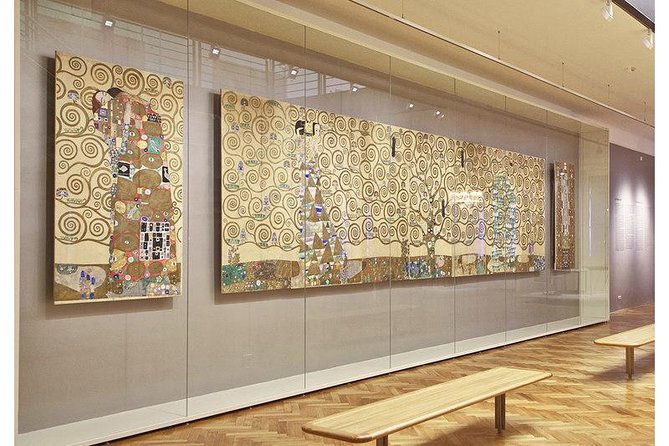
One review specifically points to Klimpt works of art on permanent display as worth the time. If Klimpt is one of your interests, treat the permanent collection as your anchor. If you only have an hour, you can still come out feeling you got the point, because permanent highlights give you structure.
There is also a running theme in feedback about the collection being housed in a gorgeous space. In other words, even if you are not an expert on applied arts, you are still likely to feel like you picked a good museum.
Should you add food during your MAK visit?
Food and drinks are not included with the ticket. That said, you should plan for a break if you are the type who likes to recharge and keep going.
Reviews mention the restaurant was good, and that people were pleased with the overall experience of spending time there. Since the museum encourages you to linger, a meal or snack slot can turn a rushed visit into a comfortable one.
Even if you do not eat inside, this is a good moment to step out, refill water, and then return with fresh eyes. Applied arts can reward focus, and fatigue can flatten your attention quickly.
How the museum experience fits different traveler styles
I think the MAK works best for people who enjoy ideas expressed through objects. If you like design, furniture, fashion history, architecture, or the “Vienna 1900” story line, you will likely feel at home.
It also helps if you like variety in a single location. The museum does not ask you to pick only one lane. You can drift from older craft to modern design without feeling like you missed a separate attraction.
Where it might not match perfectly: if you expect a mostly fine-art museum built around classic painting and sculpture, the applied arts emphasis may change your expectations. Some galleries can feel more design-forward than you want. The good news is that you can shape your route with the digital guide and pick what you personally connect with.
Should you book this MAK Museum of Applied Arts ticket?
Yes, you should book if you want a high-value museum ticket that covers more than just a single collection. The combination of permanent plus temporary exhibitions, skip-the-line entry, and a free digital guide makes this a practical choice when you want an art and design day without over-planning.
Book it especially if:
- you love objects and design as much as paintings
- you are interested in Vienna around 1900 and how tastes shifted
- you want a museum that feels like a place to spend real time, not just a quick photo stop
Consider another option if:
- you only want a traditional fine-art museum experience
- you know you will have zero interest in design, fashion, or architecture themes
If you are trying to fit MAK into a busy Vienna itinerary, the 1 to 2 hour window is actually a strength. You can see the museum’s core identity without turning it into a half-day commitment.
FAQ
How long does the MAK museum ticket take?
Plan on about 1 to 2 hours, based on the listed duration for this experience.
What is included with the MAK ticket?
The ticket covers the permanent collections and all temporary exhibitions. It also includes a free digital MAK guide, free Wi-Fi, and free cloakroom access, plus skip-the-line entry.
Does the ticket include temporary exhibitions too?
Yes. The ticket is valid for the permanent collections and all temporary exhibitions.
Is this experience offered in English?
Yes, the experience is offered in English.
Are children and teens charged for admission?
Children and teens under 19 have free admission.
Can I cancel for a full refund?
Yes. You can cancel up to 24 hours in advance for a full refund. If you cancel less than 24 hours before the start time, the amount paid is not refunded.
Fresh on the site in Vienna
- World War II History Vienna Old Town Private Walking Tour★ 4.8 · 9 reviews
- Vienna/Bratislava: Traunkirchen, Hallstatt & Salzburg Tour★ 4.8 · 53 reviews
- Vienna: Winery and Wine Tasting Tour with a Wine Expert★ 5.0 · 5 reviews
- Vienna: Wine Tasting Tour★ 4.8 · 61 reviews
- Vienna/Bratislava: Day Trip to Hallstatt & Salzburg★ 4.8 · 21 reviews
- Vienna: Wiener Schnitzel and Strudel Cooking Class★ 4.9 · 126 reviews
- Vienna: Waltz into the Ball Season★ 4.7 · 3 reviews
- Vienna: Wine Tasting E-Bike Tour★ 4.9 · 46 reviews
Museums, compared.

Skip-the-Line Sisi Museum, Hofburg and Gardens Tour
Read our review →
Vienna Kunsthistorisches Museum Day Admission Ticket
Read our review →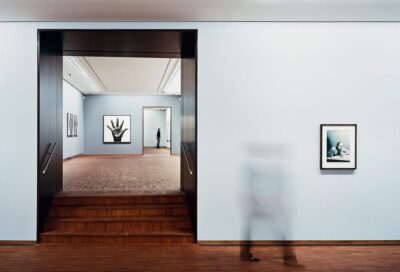

Chocolate Workshop in Chocolate Museum w/ Tasting
Read our review →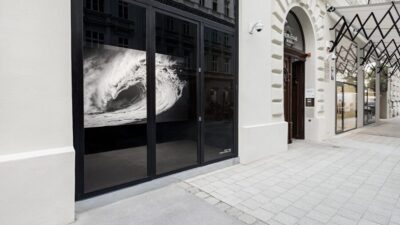

St. Stephen’s Cathedral & Dom Museum Wien Tickets
Read our review →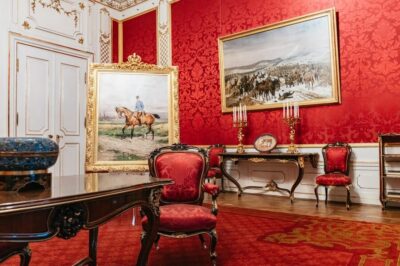
Browse the lists this tour appears in