
REVIEW · MUSEUMS
Private Tour of the Kunsthistorisches Museum: Secrets of Masterpieces | Tickets included
Masterpieces are easier when you have a guide.
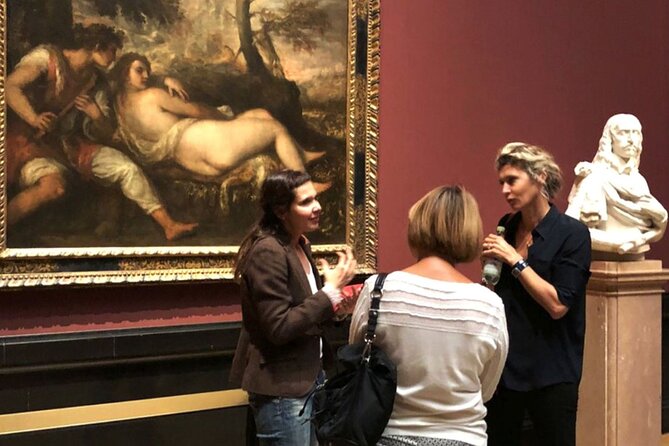
This private Kunsthistorisches Museum tour turns a huge building into a focused, question friendly art lesson, led by Julia in English. I especially like the way the visit is shaped around your curiosity, not a rigid script.
I love that admission is included, so you are not juggling tickets mid trip. You also get a historian’s context for big names and lesser noticed objects, which makes the galleries feel less random.
One possible drawback: 3 hours flies, especially if your group has a lot of questions, so come ready to pick your priorities.
In This Review
- Key things I’d highlight before you go
- Kunsthistorisches in Vienna feels like a temple
- The route approach that keeps 3 hours from feeling chaotic
- Stop 1, Kunsthistorisches Museum: how the highlights tour actually plays out
- Western Old Masters: the big names and what they taught the world
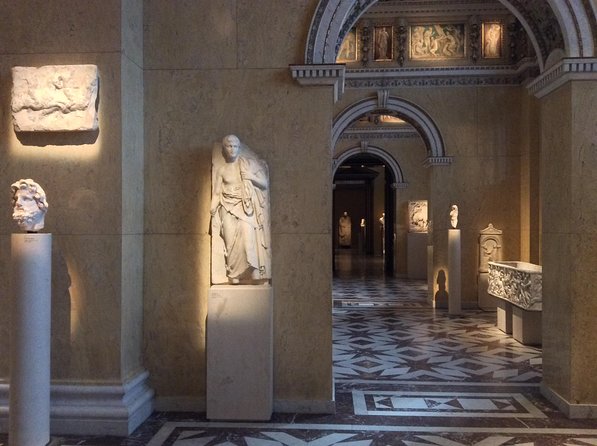
- A museum that is universal on purpose: Egyptian, Greek, Roman
- Cabinets of curiosities style rooms: when art meets science and craft
- Numismatics: the small things that can say big things
- Why the tour is worth it even if you have only one museum day
- What I think you’ll like most, based on how the guide teaches
- Who this tour suits best (and who might want a different option)
- Quick practical tips before you book
- Should you book this private Kunsthistorisches Museum tour?
- FAQ
- How long is the Private Tour of the Kunsthistorisches Museum
- Is museum admission included in the price
- Is this tour private
- What language is the tour offered in
- Where do we meet
- Can I use an electronic ticket
- Is free cancellation available
Key things I’d highlight before you go
- A plan for a massive museum, using the museum’s own ideas for first time and repeat visitors
- Guided focus on celebrated works, so you see key masterpieces without rushing past everything
- Your questions drive the route, with mini explanations that connect objects across time
- Not just paintings, you’ll also learn to read sculpture, church plate, decorative arts, scientific instruments, and more
- A guide who uses teaching tools, including a practical map based approach and helpful cross links
Kunsthistorisches in Vienna feels like a temple
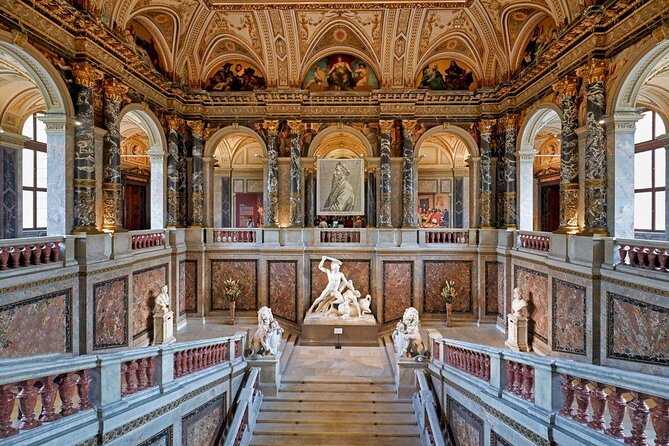
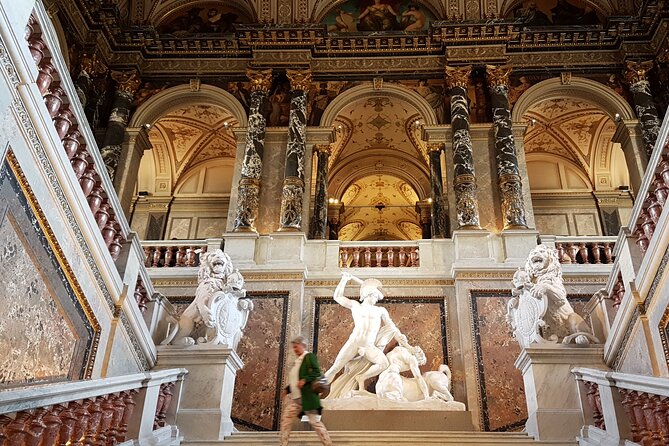
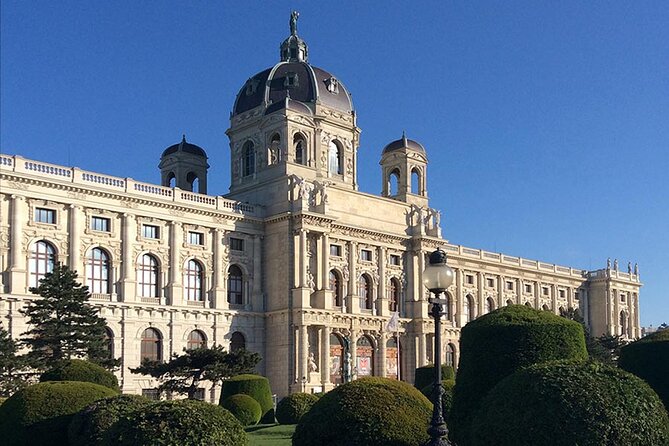
The Kunsthistorisches Museum is the kind of place that makes you slow down before you even reach the first gallery. The building itself is part of the experience, built with the confidence of historicism, with details that hint at why this museum is often described as a temple for art. You are walking into a collection that was meant to feel universal, not just local or trendy.
What I like about starting here with a private guide is that the museum’s scale stops being intimidating. You get a route that targets high impact works and supporting material, so your brain can actually keep track. And because your guide works in dialogue, not monologue, you can steer toward what you care about, whether that is portraiture, realism, religion, mythology, or the weird and wonderful objects museums collect.
Also, this is a museum where “main masterpieces” doesn’t mean only one wing or only one art form. Expect the collection to move across regions and periods, from Western Old Masters to Egyptian, Greek, and Roman objects, plus numismatics and curiosity cabinet style displays.
More museums in Vienna:
- Vienna: Skip-the-Line Sisi Museum, Hofburg and Gardens Tour
★ 4.8 · 5,918 reviews - Vienna Kunsthistorisches Museum Day Admission Ticket
★ 4.6 · 3,690 reviews - Tickets for the Albertina Exhibitions
★ 4.7 · 2,126 reviews
The route approach that keeps 3 hours from feeling chaotic
A big museum can overwhelm you fast. The value of this tour is not that it tries to show everything, it chooses what to slow down for. The museum’s own internal visitor thinking helps here, with curated lists like a wider group of hundreds of masterpieces for general visits, a smaller list for return trips, and a short “must see” set for first timers.
On this tour, you follow that shorter, high signal route. That matters because it gives you a mental map for your visit. You do not just see a painting and move on. You learn what to look for, how to place it in its era, and why it matters when compared to other works.
Julia’s style also comes through in the way the tour is described by past participants: she sets academic goals for the visit, keeps it interactive, and uses the museum’s layout like a working rubric. That translates into real value for you. You spend less time trying to figure out what room is next, and more time understanding what you are seeing.
And yes, there is enough room for humor and anecdotes, which helps when you are staring at serious art all day. Art history sticks better when your guide connects facts to human stories.
Stop 1, Kunsthistorisches Museum: how the highlights tour actually plays out
This experience is built as one focused museum visit, roughly 3 hours, with your entry ticket included. You meet at Maria-Theresien-Platz, outside the museum main entrance area, and your guide waits in front of the central door. The other doors are there too, but the central one is the key landmark to watch for. Since the tour runs close to the public transport network, you can easily pair it with other Vienna stops.
Inside, the tour typically unfolds as a controlled sequence: big names first, then supporting objects and context. The goal is to help you understand the masterpieces as part of a system, not isolated “wow” moments.
Western Old Masters: the big names and what they taught the world
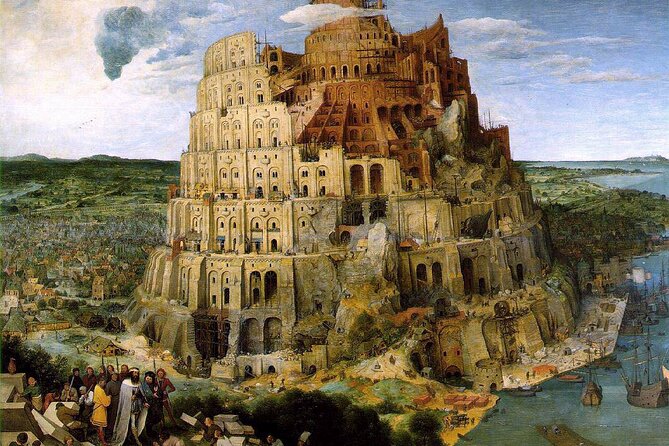
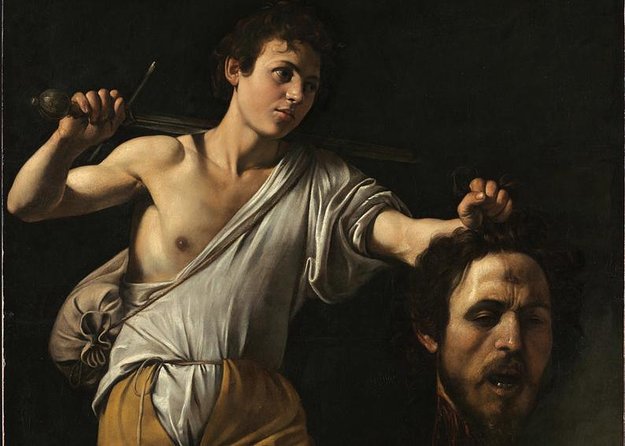
If you love famous painters, you are in the right place. The museum holds celebrated works tied to an impressive roster of Western art heroes across centuries. Your guide’s job is to do more than list artists. You learn how to see what is happening in the paint, what choices were cultural and what choices were personal, and what the social world was asking art to do.
Even the way the museum presents its Western collection matters. The tour emphasizes masterpieces across periods, including works associated with artists such as Arcimboldo, Brueghel, Velasquez, Holbein, Dürer, Giorgione, Cranach, Raphael, Rembrandt, Rubens, and Titian. That range is the point. You start to notice patterns, then you start to notice differences. It is like watching European art develop its visual language in real time.
The payoff for you is that you leave with a clearer sense of what “masterpiece” means. Not just technique, not just fame, but why the work was valued, how it influenced others, and how it fit into what patrons and viewers expected.
A few more Vienna options worth a side-by-side
- Vienna: Vivaldi’s Four Seasons Concert in Karlskirche
★ 4.7 · 14,951 reviews - Vienna: Spanish Riding School Training
★ 3.9 · 9,281 reviews - Vienna: Skip-the-cashier-desk-line Giant Ferris Wheel Ride
★ 4.5 · 7,859 reviews - Vienna: Schönbrunn Palace & Gardens Skip-the-Line Tour
★ 4.7 · 7,739 reviews
A museum that is universal on purpose: Egyptian, Greek, Roman
One of the smart parts of Kunsthistorisches is that it is not a single story. It places Egyptian, Greek, and Roman art within the same big frame as European painting and sculpture. That makes the collection feel like it is building a wider conversation about how cultures understood power, belief, bodies, and symbols.
This tour includes those non European sections in a way that helps you connect them to what you already know. For example, past participants have noted how special it was to have someone with classical studies interests in the Egyptian collection. That tells you how the guide tends to adapt on the spot, adjusting vocabulary and context based on your group.
Even if you are not an expert, this is not a confusing add on. It is a chance to practice looking across cultures: material, scale, purpose, and symbolism. You end up with a more balanced view of how museums build meaning across time.
Cabinets of curiosities style rooms: when art meets science and craft
Kunsthistorisches also includes a chunk of gallery space devoted to curiosity cabinet style displays. You might see indoor sculpture, church plate, decorative elements, and scientific instruments. That mix is where the museum becomes fun in a different way. It stops being only about painting greatness, and it becomes about collecting, displaying, and interpreting objects.
You learn to see why those objects were kept together, how they show the taste of the time, and how “art” and “science” often lived in the same intellectual world. For you, this is one of the strongest ways to make the museum feel alive. The objects are not just artifacts. They are tools of curiosity.
One highlight example mentioned by a previous participant: Julia pointed out a turquoise hippo. Tiny details like that are exactly what makes a tour feel human. You remember a color, a form, and the story behind it, not just the word “collection.”
Numismatics: the small things that can say big things
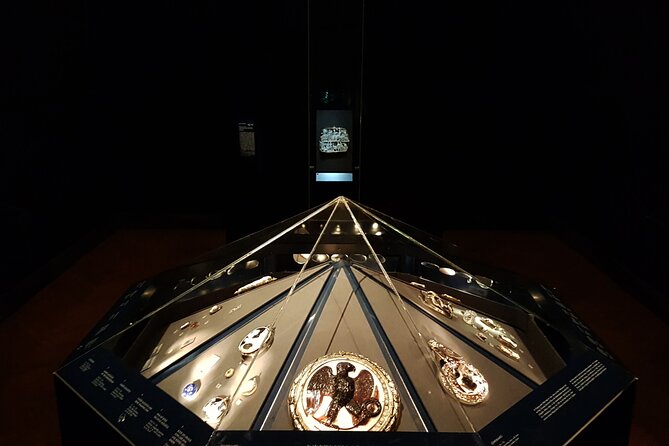
The museum also includes a numismatic cabinet. Coins are easy to ignore on your own, but with a guide, they become mini time machines. They can connect politics, economics, religion, and empire in a compact object.
In a tour like this, numismatics works as a reset. After larger visuals like paintings and sculpture, coins and related objects can feel calmer and more hands on in your attention. You start to notice how value is represented, how power is shown, and how everyday objects carry messages.
Even when the time is short, a guide can show you how to read the basics without turning it into a lecture. That keeps the tour moving while still giving you something real to take home.
Why the tour is worth it even if you have only one museum day
You are paying $283.12 per person for a private, English guided 3 hour visit with admission included. That price can sound steep if you compare it only to a self guided ticket. But the value here is that your guide is doing the translation work, turning a huge collection into a coherent story you can actually follow.
Here is how that math tends to work for you in practice:
- You avoid time wasted figuring out what to see first inside a very large museum
- You get context for masterpieces that you could otherwise only skim
- You can ask questions, which often leads to “aha” moments that would take you hours to research
The private format matters too. It is not a lecture for dozens of people. It is a focused dialogue for just your group, so you can adjust. If you care more about portraits, you can ask. If you want more about technique, you can ask. If you are curious about a specific object style, your guide can steer the attention.
And since this tour is offered in English and uses a mobile ticket approach, it fits smoothly into typical Vienna planning, especially if you are coordinating multiple sights.
What I think you’ll like most, based on how the guide teaches
Julia’s teaching style stands out in the way people describe the experience. The common thread is that the tour does not feel like a checklist. She is able to explain art history with structure, then make it entertaining and interactive.
A few teaching elements that make a difference for you:
- She connects artworks to their broader social and historical backdrop, so the art feels less mysterious
- She can add anecdotes and humor without losing the thread
- She uses tools like the museum’s own guide materials and a mini iPad approach, which helps the talk stay anchored to what you can actually see
- She asks starting questions, so you begin actively looking instead of waiting for information
That matters more than it sounds. When you arrive in a museum like this, your brain needs prompts. Otherwise you look at art like you are shopping. Prompts turn it into interpretation.
Also, the group size is just your party, which helps the guide pace the room. If you need a minute longer in front of a painting, it is easier to get it with a private tour than with large group schedules.
Who this tour suits best (and who might want a different option)
This is ideal if you:
- want a focused highlights circuit rather than wandering
- enjoy asking questions and building context on the spot
- want a guide who can connect painting, objects, and historical setting
- are visiting Kunsthistorisches as a top priority and want maximum value per hour
It may not be ideal if you:
- prefer totally self guided freedom and hate being in a structured flow
- need a very slow pace with lots of breaks, because the tour is designed for about 3 hours in one museum visit
Still, for most first time visitors, this is a strong way to get oriented and leave feeling like you actually understood the museum, not just survived it.
Quick practical tips before you book
- Wear comfortable shoes. You will be moving through museum galleries.
- If you have specific interests, think of 2 or 3 questions before you arrive. Your guide will work with your focus.
- If you plan to do other museum stops the same day, give yourself a little extra time. Kunsthistorisches can be a time sink even with a plan.
Should you book this private Kunsthistorisches Museum tour?
Yes, if your priority is a high quality, guided highlights experience that helps you understand why the masterpieces matter. The best reason to book is simple: you get admission included, a private English guide, and a route designed to keep a massive museum from turning into chaos.
I would especially recommend it if you like art history but do not want to spend your limited vacation time sorting through what to see first. With Julia guiding the conversation and using the museum space like a teaching tool, you should leave with a stronger sense of the collection’s themes, not just a list of artists.
If you want, tell me your travel dates and whether you have any must see artists or themes. I can suggest a smart “pair it with” plan for the rest of your Vienna day.
FAQ
How long is the Private Tour of the Kunsthistorisches Museum
The tour lasts about 3 hours.
Is museum admission included in the price
Yes. Admission to the Kunsthistorisches Museum is included.
Is this tour private
Yes. It is a private tour, and only your group participates.
What language is the tour offered in
The tour is offered in English.
Where do we meet
The meeting point is Maria-Theresien-Platz, 1010 Wien, Austria, in front of the museum main entrance.
Can I use an electronic ticket
Yes. You can present either a paper or an electronic voucher, and a mobile ticket is offered.
Is free cancellation available
Yes, free cancellation is available. You can cancel up to 24 hours in advance for a full refund.
Fresh on the site in Vienna
- World War II History Vienna Old Town Private Walking Tour★ 4.8 · 9 reviews
- Vienna/Bratislava: Traunkirchen, Hallstatt & Salzburg Tour★ 4.8 · 53 reviews
- Vienna: Winery and Wine Tasting Tour with a Wine Expert★ 5.0 · 5 reviews
- Vienna: Wine Tasting Tour★ 4.8 · 61 reviews
- Vienna/Bratislava: Day Trip to Hallstatt & Salzburg★ 4.8 · 21 reviews
- Vienna: Wiener Schnitzel and Strudel Cooking Class★ 4.9 · 126 reviews
- Vienna: Waltz into the Ball Season★ 4.7 · 3 reviews
- Vienna: Wine Tasting E-Bike Tour★ 4.9 · 46 reviews
Museums, compared.

Skip-the-Line Sisi Museum, Hofburg and Gardens Tour
Read our review →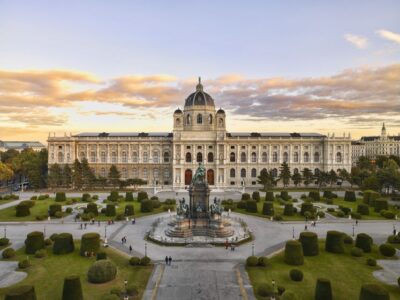
Vienna Kunsthistorisches Museum Day Admission Ticket
Read our review →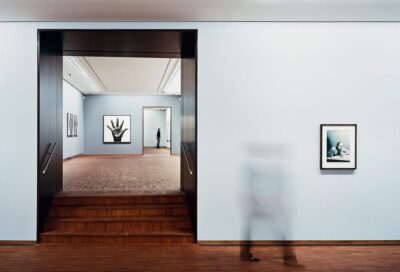
Chocolate Workshop in Chocolate Museum w/ Tasting
Read our review →
St. Stephen’s Cathedral & Dom Museum Wien Tickets
Read our review →

Browse the lists this tour appears in