
REVIEW · CITY TOURS
Vienna: City of Music Private Walking Tour
Vienna has a soundtrack, if you know where to listen. This private walk with headphones and a story-first guide turns major landmarks into real musical moments, from cathedral performances to Mozart’s writing years. I also love the group-sized format, since the flat fee for up to 10 can make the cost feel reasonable for friends or a family unit, and the guide (Annelie is a standout from recent groups) keeps it personal and easy to follow. One possible drawback: some of the stops do not include admissions, so you may want to plan ahead if you hope to go inside certain venues rather than just view from the outside.
You can choose a morning or afternoon departure, and you can even start from your hotel or holiday flat if you’re in a convenient area, which saves you time in a city where “just meet at the corner” is never really just the corner. There’s also an option to meet centrally at Café Mozart (Albertinaplatz 2) if you prefer a quick rendezvous point, and the guide will help you figure out public transport to get you there (tram and metro tickets are not included). The big idea here is simple: in about three hours, you get a guided route through Vienna’s musical power centers, plus short headphone listening breaks that help the stops click.
In This Review
- Key highlights to look for
- Why this Vienna music walk feels different from a typical sightseeing stroll
- The real “value math” of the $564.72 group price (up to 10)
- Meeting at your hotel, or starting at Café Mozart
- St. Stephen’s Cathedral: where the tour starts listening with purpose
- Mozarthaus Vienna and Figaro House: Mozart’s writing years, not just his fame
- Beethoven’s life in motion: statue, apartments, and why it matters
- The Hofburg and Archduke Rudolph: when music meets power
- Wiener Staatsoper and the Musikverein idea: Vienna’s music still runs today
- The Inner City headphone listening segment: the “click” moment
- What makes the guide experience work (Annelie as the example)
- Morning vs afternoon: which departure fits your day better
- How to get the most out of your 3 hours
- Should you book this Vienna City of Music private walking tour?
- FAQ
- How long is the Vienna City of Music private walking tour?
- Is this tour private, and how big is the group?
- Does the tour offer hotel pickup?
- What language is the tour offered in?
- Are admission tickets included for the stops?
- Can I cancel and get a full refund?
Key highlights to look for
- Headphone listening stops that match what you’re seeing, so the music lands at the right place.
- Mozart to Beethoven in one route, with residence stories that make the composers feel like neighbors, not textbooks.
- Private and group-scaled, up to 10 people, so you’re not swallowed by a crowd.
- Historic performance spaces, starting at St. Stephen’s Cathedral, tied to composers like Haydn, Mozart, Salieri, and Vivaldi.
- A guide who brings it to life, with personal storytelling and photos shared along the way.
- Multiple start options, hotel pickup or a central meet at Café Mozart (Albertinaplatz 2).
Why this Vienna music walk feels different from a typical sightseeing stroll
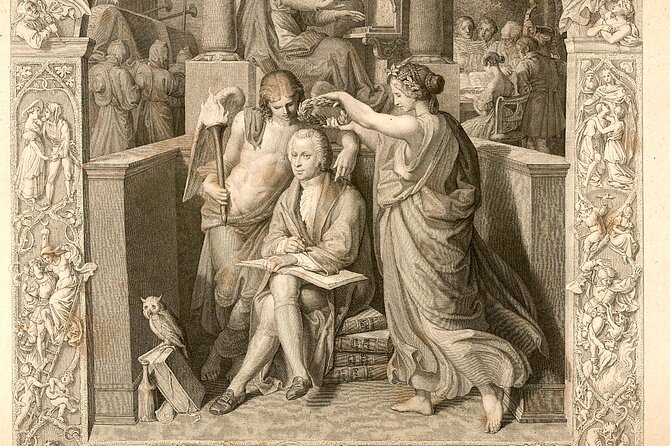
Vienna is great at sightseeing, but music is what makes it unforgettable. This tour is built around that idea, not around a long list of monuments. You move through classic streets and then get short, targeted listening moments, usually while you’re standing at or near the landmarks tied to the composers.
The private format matters more than it sounds. You get only your group, with a guide who can slow down, answer questions, and adjust to your interests, whether your comfort level with classical music is high or you’re basically learning as you go. Recent feedback specifically praised how the guide makes things work even if you don’t have much formal training, and that’s exactly what you want from a “music tour” that could otherwise turn into a lecture.
Finally, I like the practical rhythm. The route is spaced into short chunks, with plenty of time to stop, look, and listen without sprinting. That pacing helps you enjoy the city instead of just collecting photos.
More City Tours in Vienna
- Vienna: Guided Walking Tour of City Center Highlights
★ 4.7 · 4,989 reviews - Vienna: City Cruise with Optional Lunch
★ 3.4 · 3,982 reviews - Vienna: City Cruise
★ 3.3 · 2,978 reviews
The real “value math” of the $564.72 group price (up to 10)
The cost is listed as a flat per-group fee, up to 10 people, for about three hours. That changes the decision a lot, because your per-person cost depends on how many people you bring.
If you fill all 10 spots, it’s roughly $56 per person for a private guided experience, which is strong value for Vienna. If it’s just two or four people, the per-person number climbs quickly, and then the question becomes: are you paying for private pacing and a music-specialist guide rather than saving money with a group tour?
Here’s how I’d think about it: if you’re traveling with friends, siblings, or a small family, this is one of the better ways to “buy time” in Vienna. You skip the frustration of trying to coordinate your own composer route, and you also get the listening moments planned to match the sites. If you’re a solo traveler, you might still like it, but you’ll probably feel the cost more.
One more detail that supports the value argument: this is being booked in advance at a steady clip (on average, about 111 days). If your dates are fixed, booking earlier is a smart move.
Meeting at your hotel, or starting at Café Mozart
Vienna tours often waste energy on logistics. This one tries to cut that out.
When you book, the company sends your historian guide’s photo, phone number, and bio. Then the guide can meet you at your hotel or holiday flat, which is great when you’re arriving tired or you don’t want to figure out where you’re supposed to stand at a specific minute. If you need public transport to reach the sites, tram and metro tickets are not included, but the guide will help you purchase what you need if you don’t already have a pass.
If a hotel pickup is not convenient, there’s a central meeting option at Café Mozart, Albertinaplatz 2. That choice is ideal when you’re staying near transit or you’d rather start with a clean, easy rendezvous point.
St. Stephen’s Cathedral: where the tour starts listening with purpose
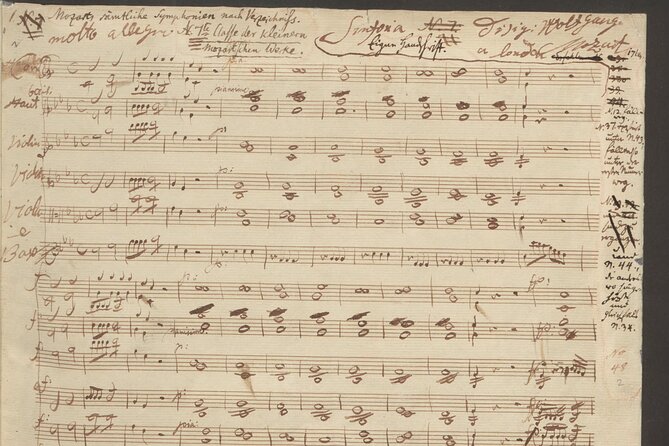
The tour’s first stop is St. Stephen’s Cathedral, Stephansdom. It’s a perfect opening because it’s instantly recognizable, and it connects music to place right away.
What you’re doing here is more than looking up at the architecture. The cathedral is framed as an important performance venue in previous centuries, connected to Haydn and Mozart, plus Salieri and Vivaldi. That gives you a quick “how Vienna’s music actually happened” foundation before the route switches to composer residences and modern-day opera culture.
Admission is free for this stop (per the tour setup), so you can keep the experience smooth. If you tend to get restless with long indoor time, treat this as your orientation moment. You’ll likely spend about 20 minutes here, which is long enough to connect the setting to the musical theme without turning the whole day into a cathedral visit.
More Walking Tours in Vienna
- Vienna: Vienna Central Cemetery Guided Walking Tour
★ 4.8 · 3,307 reviews - Vienna: Guided Walking Tour of City Highlights & Hidden Gems
★ 4.9 · 2,180 reviews - Vienna: Viennese Underworld Guided Walking Tour
★ 4.7 · 1,865 reviews - Vienna: World War II Historical Walking Tour
★ 4.8 · 1,772 reviews
Mozarthaus Vienna and Figaro House: Mozart’s writing years, not just his fame
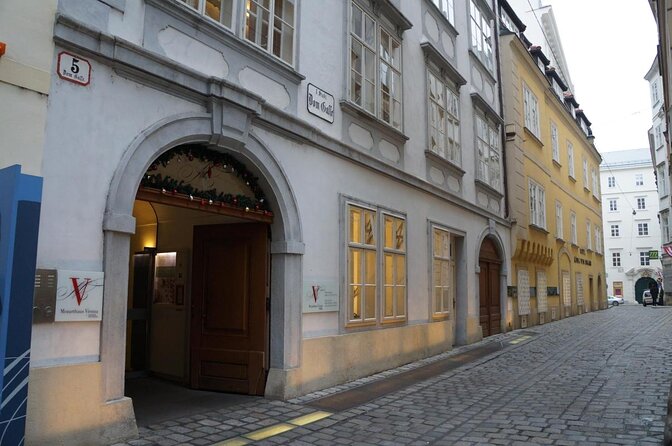
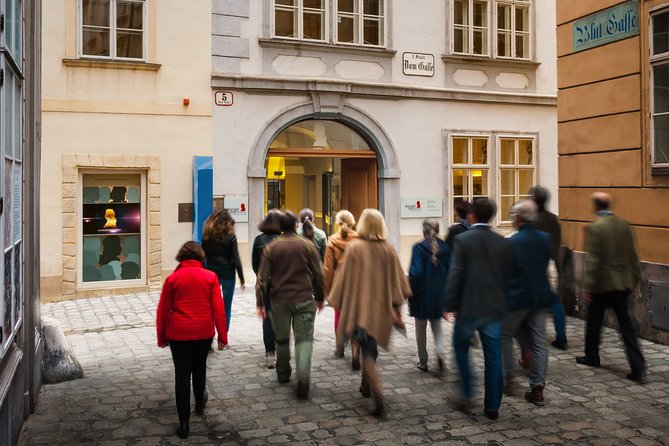
Next comes Mozarthaus Vienna, with a stroll by Figaro House (also referenced as Mozarthaus). This stop helps you shift from “Vienna as a musical city” to “Vienna as a personal working space for composers.”
The key idea is that Mozart resided there from 1784 to 1787. You’ll hear how that period connects to many of his famous operas and instrumental pieces. Even if you only know a handful of Mozart titles, this framing makes it feel specific and human, like you’re walking through the timeline of a mind at work.
Admission is not included for this stop. In practice, that usually means you’re budgeting for any optional ticket time separately, rather than assuming it’s built into the tour cost. If you’re the type who loves stepping inside historic interiors, plan a little extra time and money. If you’re happy with exterior context and guide-led storytelling, you can still get a lot out of the stop within the given time.
Beethoven’s life in motion: statue, apartments, and why it matters
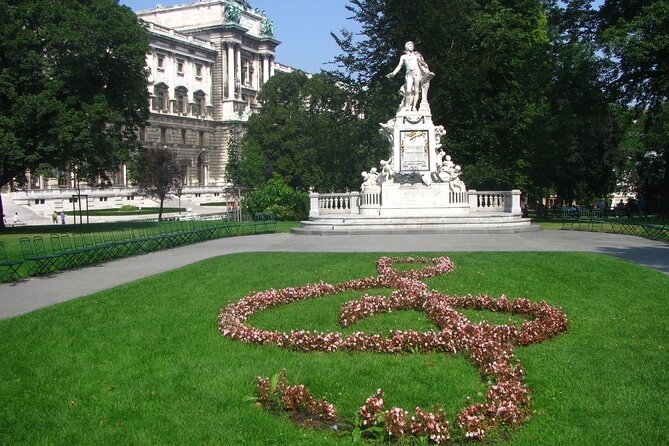
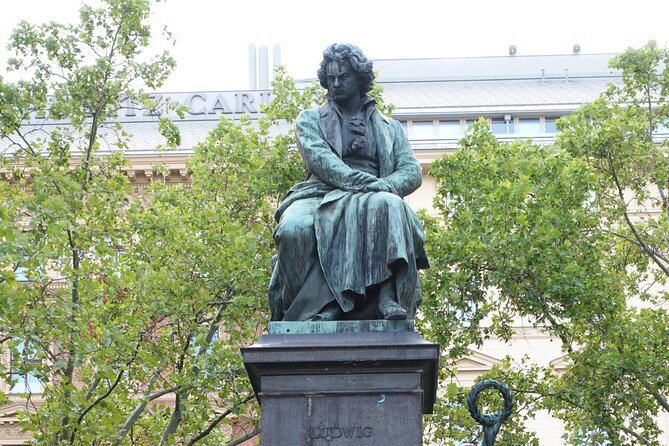
The tour then pivots to Beethoven with a pass by his monument. The guide’s focus here is not only his fame, it’s his pattern of living. The stop highlights his erratic life and how he lived in sixty different apartments throughout Vienna.
That detail might sound like trivia, but it’s a powerful way to understand Beethoven. If you’re constantly changing addresses, you’re constantly adapting, hearing different neighbors, encountering new patrons, and dealing with the reality of city life. It turns his music into something you can relate to, even if you’re not a musician.
From there, the route continues toward Molker Bastei and the area connected with the Pasqualati-House at Mölker-Bastei. The walk sets up a second layer of Beethoven context, including the fact that it’s directly opposite the University of Vienna. Again, you’re not just receiving a list of famous works. You’re getting a sense of where he was and what kind of city environment would have surrounded him.
Admission is not included for these stops, and it’s likely that a lot of the value is in the guide’s pointing and explanation rather than a ticketed museum moment. That’s fine, as long as you came for the connections, not just room access.
The Hofburg and Archduke Rudolph: when music meets power
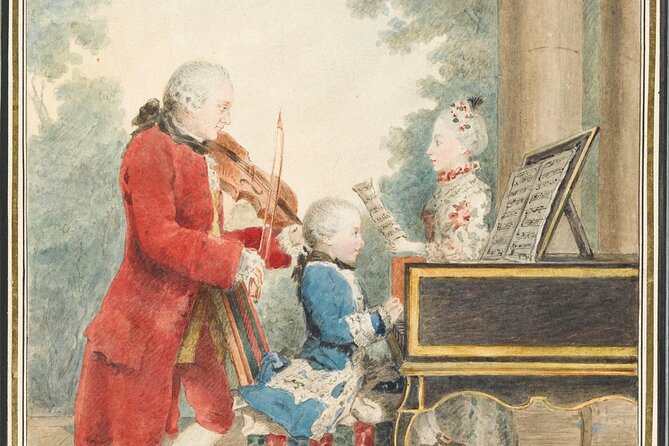
One of the most interesting turns on the route is the Hofburg area. This is where the tour connects Beethoven’s world to the Habsburg circle.
Beethoven’s relationship with the high aristocracy is described as often strained, but the tour emphasizes one key friendship: he called Archduke Rudolph, the youngest son of Emperor Leopold II, one of his best friends. The tour also notes that Rudolph took piano lessons with Beethoven at his residence.
Then it connects the friendship to a major dedication, explaining that Beethoven dedicated the Missa Solemnis to Archduke Rudolph. The point isn’t just what the composer wrote. It’s how the Habsburg family and Vienna’s leading musicians interacted at the top level during the 18th and 19th centuries.
Admission is not included for this stop. If you’re hoping for a full interior visit here, you may need to pay extra based on what’s available during your visit. But even without entry, the payoff is the context: it helps you understand why composers mattered to elites and how patronage shaped what got made and performed.
Wiener Staatsoper and the Musikverein idea: Vienna’s music still runs today
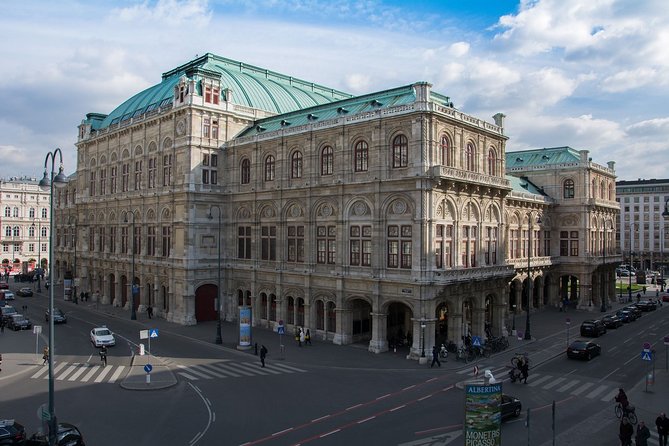
After Beethoven’s earlier life on the streets, the tour gestures to Vienna’s musical dominance in the present. It’s done at the Wiener Staatsoper area.
The framing here is that Vienna’s music tradition continues beyond the legendary State Opera House. The tour points out that the State Opera House is one of the great contemporary opera stages, and it also mentions the Musikverein concert hall, home to the Vienna Philharmonic.
Admission is not included for this stop. It’s likely best understood as a strong visual and cultural checkpoint. Even if you never buy an opera ticket, it’s useful to see how central opera and concert life remain in the city’s identity.
If you’re deciding where to spend money later in your trip, this stop can help you pick a direction. After hearing how important these venues are, it’s easier to decide whether you want opera night, a concert, or just more wandering on your own.
The Inner City headphone listening segment: the “click” moment
The tour finishes with Inner City walking plus a headphone listening segment. This is one of the most praised elements because it turns the music from background knowledge into something you experience in place.
You pause and listen to selections of Vienna’s musical masterpieces through headphones while exploring major sites. The payoff is timing. Hearing short passages at the right moment helps you connect the composer names you’ve heard with actual sound, even if your musical training is limited.
This is also where the guide’s style matters. A strong guide will match the listening choices to what you just learned, so it feels like continuation rather than a random soundtrack moment. Recent feedback called out that this was an unexpected and awesome surprise, which makes sense. It’s one of the few “hands on” features in a walking tour.
Admission is listed as free for the headphone segment, which keeps the focus on the experience instead of ticket hassles.
What makes the guide experience work (Annelie as the example)
The quality level you can expect often comes down to the guide. In feedback, Annalie/Annelie was praised for making the tour personal and for answering questions without making you feel rushed.
Two themes showed up clearly. First, the guide used stories to make significance land. That means you’re not only hearing facts about where Mozart lived or that Beethoven changed addresses, you’re getting the “why it matters” behind the facts. Second, photos helped. Seeing portraits and related visuals can be a big deal on a topic that otherwise feels abstract.
There’s also an emphasis on friendliness toward non-music fans. One review singled out the tour as good for non music geeks, and that’s your cue. If you’re worried a “music tour” will assume you know everything, this is designed to keep the experience welcoming.
Morning vs afternoon: which departure fits your day better
You can choose morning or afternoon. That choice isn’t just about your schedule, it can affect how you experience the city.
Morning tends to be easier for energy. You get cooler walking conditions and you often have more mental bandwidth for longer storytelling stops like the cathedral and Hofburg area. If you’re also planning museums or a concert later, an earlier tour can help you build a musical map first.
Afternoon can work if you like a slower start and want to use the tour as a way to break up the day. Either way, plan around the idea that you’ll be out for about three hours, with multiple short site stops and one larger headphone segment.
How to get the most out of your 3 hours
This is not a sprint route. It’s a guided walk with planned stops, so you’ll enjoy it more if you’re ready to slow down.
Wear comfortable shoes. Vienna sidewalks can be uneven, and you’ll have several 20-minute sections plus the 45-minute inner city segment where you’re actively listening and walking.
Bring a curious attitude, not a classical music checklist. If you catch yourself thinking you need to recognize every piece, switch to a simpler goal: learn the composer story that connects to each location. The guide does the heavy lifting.
If you want to go inside specific places, remember that some stops list admissions as not included. That doesn’t mean you can’t see anything. It just means you should decide in advance whether you want ticketed moments or if you prefer exterior context plus storytelling.
Should you book this Vienna City of Music private walking tour?
Book it if you want Vienna with a soundtrack and you like the idea of a guide who can translate composer stories into something you can feel while walking. The headphone listening segment is a standout feature, and the route through Stephansdom, Mozarthaus, Beethoven-related sites, Hofburg, and the opera culture touchpoints gives you a well-balanced sweep of what makes Vienna musically distinctive.
I’d also lean toward booking if your group is large enough to make the flat per-group price work for you. Up to 10 people is a generous cap, and splitting the cost can make this feel like great value for a private experience with real customization.
Think twice if you are strict about ticketed interiors at every stop. Some locations explicitly note that admission is not included, so your day could depend on what you choose to add. If your goal is mostly walking, listening, and guide-led context, you should be in the sweet spot.
If you’re ready for a smarter way to see Vienna, this is an easy yes.
FAQ
How long is the Vienna City of Music private walking tour?
The tour lasts about 3 hours.
Is this tour private, and how big is the group?
Yes, it is private. Your group is the only group participating, and the tour price is per group for up to 10 people.
Does the tour offer hotel pickup?
Yes. The guide can meet you at your hotel or holiday flat. If you prefer a central meeting point, the guide can meet you at Café Mozart, Albertinaplatz 2.
What language is the tour offered in?
The tour is offered in English.
Are admission tickets included for the stops?
St. Stephen’s Cathedral is listed as free for admission. Admission is not included for Mozarthaus Vienna, Wiener Staatsoper, the stops tied to Mölker-Bastei and the Hofburg area, so you may need to plan for any tickets you want to purchase.
Can I cancel and get a full refund?
Yes. You can cancel up to 24 hours in advance for a full refund.
Fresh on the site in Vienna
- World War II History Vienna Old Town Private Walking Tour★ 4.8 · 9 reviews
- Vienna/Bratislava: Traunkirchen, Hallstatt & Salzburg Tour★ 4.8 · 53 reviews
- Vienna: Winery and Wine Tasting Tour with a Wine Expert★ 5.0 · 5 reviews
- Vienna: Wine Tasting Tour★ 4.8 · 61 reviews
- Vienna/Bratislava: Day Trip to Hallstatt & Salzburg★ 4.8 · 21 reviews
- Vienna: Wiener Schnitzel and Strudel Cooking Class★ 4.9 · 126 reviews
- Vienna: Waltz into the Ball Season★ 4.7 · 3 reviews
- Vienna: Wine Tasting E-Bike Tour★ 4.9 · 46 reviews
City Tours, compared.
Guided Walking Tour of City Center Highlights
Read our review →

Guided Walking Tour of City Highlights & Hidden Gems
Read our review →
City Sightseeing Tour in an Electro Vintage Car
Read our review →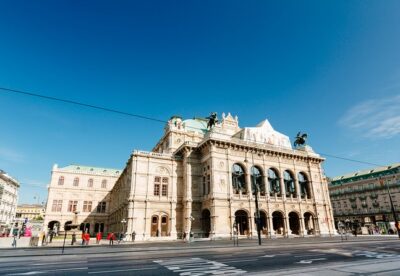
Skip-the-Line Schonbrunn Palace Guided Tour and Vienna Historical City Tour
Read our review →

Vienna City Card: Public Transport incl. 200+ discounts
Read our review →Browse the lists this tour appears in