
REVIEW · WINE TOURS
Vienna: Taste Austria the ABCs of Wine
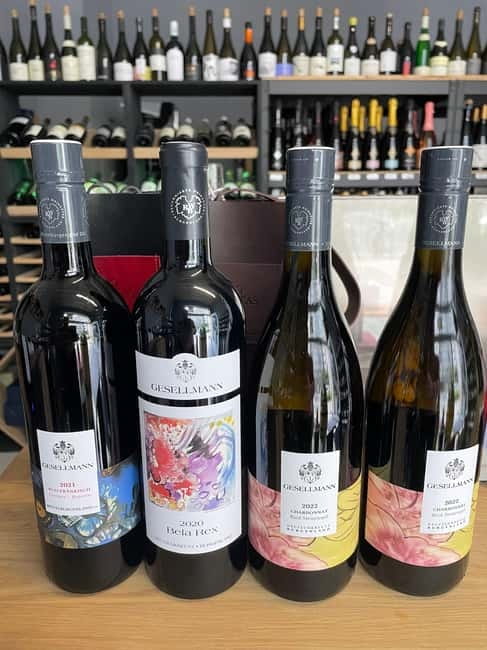
A small shop, a big Austrian wine lesson. This 2-hour guided tasting at Weinrudi is a practical, flavor-first way to understand what makes Austrian bottles different, without pretending wine is complicated.
Two things I especially like. First, you get hands-on practice tasting Austrian styles such as Wiener Gemischter Satz, and you learn what to listen for in the glass. Second, you cover real classifications like Steinfeder, Federspiel, and Smaragd, with clear explanations of how the Danube and soils shape the wine.
One possible drawback: this is a focused tasting session, and it is listed as not suitable for people with a cold or for anyone under 18. Also, transportation isn’t included, so plan how you’ll get to the shop.
In This Review
- Key highlights at Weinrudi, Vienna
- Vienna wine tasting in a local shop that actually teaches
- Meeting point at Weinrudi: how the 2-hour session feels
- Learn to taste Austrian wine with all your senses
- Wiener Gemischter Satz: freshness with built-in complexity
- Steinfeder, Federspiel, Smaragd: what Danube and soils do
- South Styria Sauvignon Blanc: steep slopes and cool climate
- Neusiedler See: Blaufränkisch and the sweet wine world
- Food pairing tips: salami, olives, cheese and practical flavor matching
- How much it costs, and why it can be good value
- Timing, what to bring, and small rules that affect your comfort
- Who this tasting is best for in Vienna
- Should you book Vienna: Taste Austria the ABCs of Wine at Weinrudi?
- FAQ
- How long is the wine tasting in Vienna at Weinrudi?
- Where is the meeting point?
- What is included in the price?
- Is transportation included to and from the venue?
- Are children or anyone under 18 allowed?
- What should I bring, and is smoking allowed?
Key highlights at Weinrudi, Vienna
- Wiener Gemischter Satz tasting, explained for freshness and complexity
- Steinfeder, Federspiel, Smaragd breakdown, tied to Danube and soil
- South Styria Sauvignon Blancs, with a focus on cool climate and steep slopes
- Neusiedler See Blaufränkisch and sweet choices like Trockenbeerenauslesen
- Food pairing tips that help your brain connect flavors fast
- Small-group format, limited to 8 participants for questions and slower pacing
Vienna wine tasting in a local shop that actually teaches
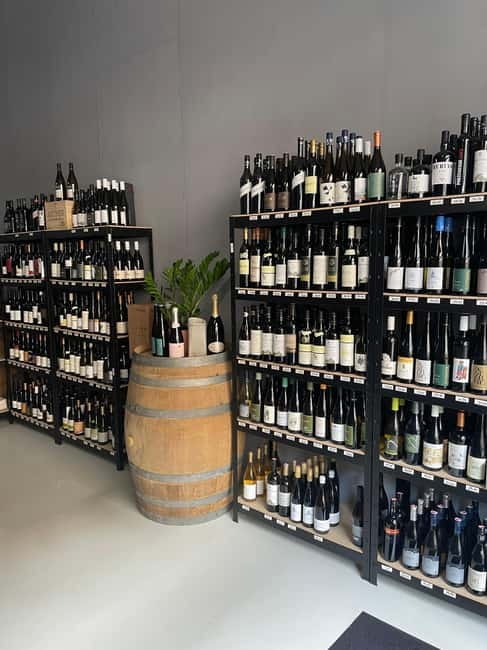
Vienna is full of grand museums and palace rooms. This experience is different, because it happens in a local wine shop setting, where the pace is relaxed and the goal is learning, not performance.
You’re there for a guided tasting that takes you across Austria’s major wine regions. That matters, because Austrian wine culture is region-specific. The same grape name can taste like a totally different idea depending on climate, slope, soil, and how the wine is made.
At Weinrudi, you’re tasting as you learn. The expert guide brings you into the sensory side of wine, from what you see in the glass to what you pick up on the nose and palate. It’s a great format if you’ve ever stared at a wine list and thought, I need a map.
More wine tastings around Vienna:
- Vienna: Swarovski House Tour with Champagne & Gift
★ 4.6 · 1,132 reviews - Wachau Valley Wine Tasting Bike Tour from Vienna
★ 5.0 · 829 reviews - Countryside Half Day Wine Tour near Vienna
★ 5.0 · 545 reviews
Meeting point at Weinrudi: how the 2-hour session feels
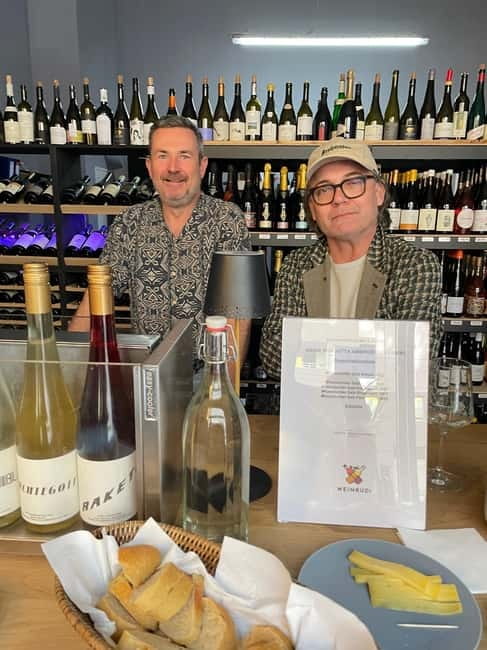
The meeting point is at the shop, where the host waits in the store. In other words, you’ll want to arrive a little early, so you can settle in and start tasting without feeling rushed.
The whole session runs about 2 hours, which is long enough for multiple wines and food pairings, but not so long that you lose attention. The small group limit of 8 is a big deal. You get time to ask questions, and you’re not shouting over a crowd.
One more practical note: you’ll likely taste enough to make your later plans less fun if you treat it like a quick sip stop. Bring a camera if you like, but also bring water and comfortable shoes. You’re in a shop setting, yet you may still move around during the tasting flow.
Learn to taste Austrian wine with all your senses
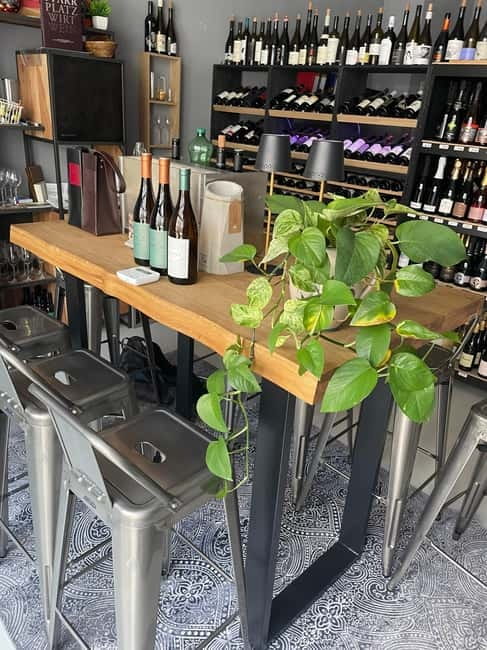
Austrian wine education often sounds like memorizing rules. This session teaches the process first, so you can repeat the thinking later at home or at a restaurant.
You’ll learn a simple tasting approach:
- Visual check: what the wine looks like gives clues about style and maturity
- Aroma analysis: you’re guided to identify what you smell before you label it
- Taste evaluation: flavor, texture, and balance are discussed in plain language
- Then food pairing shows how those flavors change with the right bite
This is exactly the kind of guidance that helps you stop guessing. Instead of saying, I like it or I don’t, you start noticing why. That skill pays off fast when you’re shopping or ordering in Vienna.
English, Portuguese, and German are available, so you can follow along comfortably. And since the guide shares expert knowledge during the tastings, you’re not left alone with a glass and an instruction sheet.
Wiener Gemischter Satz: freshness with built-in complexity
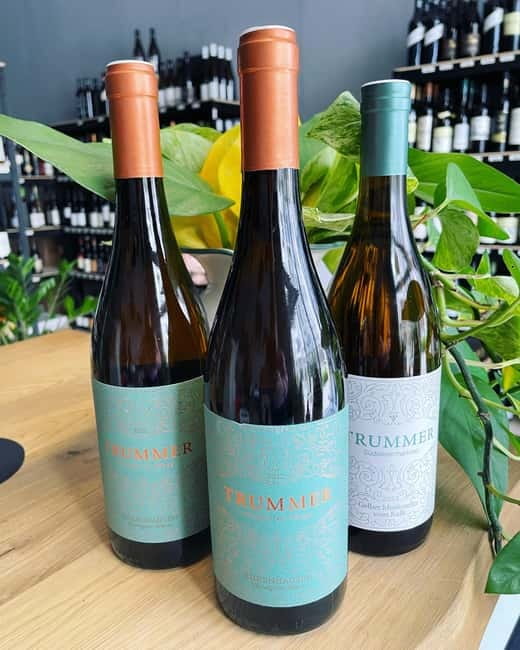
One of the most fun parts is tasting Wiener Gemischter Satz, a distinctly Vienna style with its own character. The session frames it as a wine with freshness and complexity, and you taste it with that in mind.
Why this is valuable: Vienna isn’t just “city wine.” It has a strong identity in viticulture. Wiener Gemischter Satz also gives you a baseline for how Austrian tastes can feel lively rather than heavy.
As you taste, you get a better sense of what the guide means by freshness in practice. You also start learning how a wine can feel layered without being confusing. This is a great stop in the session because it trains your palate early, before you move into comparisons.
A few more Vienna options worth a side-by-side
- Vienna: Vivaldi’s Four Seasons Concert in Karlskirche
★ 4.7 · 14,951 reviews - Vienna: Spanish Riding School Training
★ 3.9 · 9,281 reviews - Vienna: Skip-the-cashier-desk-line Giant Ferris Wheel Ride
★ 4.5 · 7,859 reviews - Vienna: Schönbrunn Palace & Gardens Skip-the-Line Tour
★ 4.7 · 7,739 reviews
Steinfeder, Federspiel, Smaragd: what Danube and soils do
After Wiener Gemischter Satz, you work through the Austrian classification world, especially Steinfeder, Federspiel, and Smaragd.
Even if you’ve seen these terms before, this is the kind of explanation that makes them stop being random labels. You’re taught how the Danube and soil structures influence the wines, so the categories feel tied to reality, not marketing.
Here’s how this helps you as a traveler. Vienna has plenty of wine bars, and menus can get term-heavy fast. Once you understand what these classifications are trying to capture, you can choose wines with more confidence, even when you’re not sure what a specific bottle will cost.
This also helps if you’re buying souvenirs. Classifications can guide you toward a style you’ll actually enjoy, instead of hoping you picked right.
South Styria Sauvignon Blanc: steep slopes and cool climate
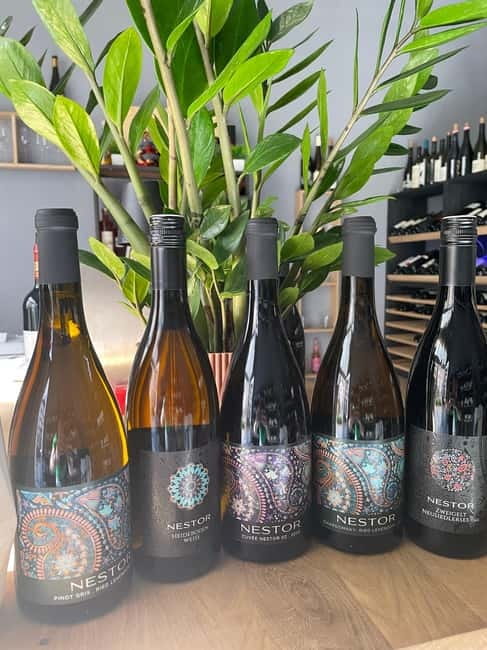
Next comes the aromatics side, with Sauvignon Blanc from the South Styria region. The lesson here focuses on why this area produces exceptional wine, especially the cool climate and steep slopes.
Why those details matter: cool climate often means higher acidity and a crisper style. Steep slopes can influence ripening and flavor concentration. The guide links those “why” factors back to how the wine smells and tastes in your glass.
You’ll get to taste the result of that place-based thinking, and that’s the payoff. If you’re a fan of white wines, this segment is often the one that clicks, because you can smell the region in the glass.
If you prefer reds, you might think this section is optional. But it’s not. Understanding Austrian whites makes the overall picture clearer.
Neusiedler See: Blaufränkisch and the sweet wine world
The session then shifts into one of Austria’s most interesting wine zones, Neusiedler See. This part covers both red wine and sweetness, including how the Pannonian climate shapes what ends up in the bottle.
You taste Blaufränkisch and learn the “mineral” angle. The guide explains that iron-rich soils can give Blaufränkisch a spiciness and structure that you can actually detect.
That’s useful because Blaufränkisch can be described in different ways depending on who’s talking. Here, you’re taught to look for structure, not just fruit. It’s a good reset for your expectations.
Then you move into sweet wine territory, with a taste of Trockenbeerenauslesen (framed as a sweet wine paradise). If you’ve never tasted Austrian sweet wine, this is the moment to pay attention. Sweet wines can be cloying if you pick the wrong style, but this segment emphasizes why these wines can feel elegant, not just sugary.
Food pairing tips: salami, olives, cheese and practical flavor matching
Wine education gets easier when food shows you the rules. This tasting includes pairing tips, and the pairings you’ll likely see include items like salami, olives, and cheese.
The guide walks you through what to notice when you pair. Does the wine taste fruitier after the bite? Does the acidity feel sharper or smoother? Do the flavors swap roles?
This part matters because it helps you translate tasting-room knowledge into real life. In Vienna, you’ll eat a lot of cheese-forward snacks, cured meats, and simple bistro food. Once you understand the pairing logic, you can choose drinks that match the meal instead of trying to guess from the wine name.
How much it costs, and why it can be good value
The price is $81 per person for a 2-hour guided session. That includes the guided tasting itself, an introduction to Austrian wine regions and varieties, food pairing tips, and expert knowledge.
So you’re not just paying for a few sips. You’re paying for context: how to taste, how classifications work, and how one region’s climate and soils lead to flavors you can recognize. For many travelers, that’s the part that feels most expensive and most hard to learn on your own.
Two factors make the value feel stronger:
- The tasting covers multiple Austrian regions, so you get breadth in one sitting
- The group is limited to 8, so you actually get your questions answered
If you only want one glass and a casual chat, you might prefer a cheaper wine bar stop. But if you want a foundation you can use all trip, this pricing tends to make sense.
Timing, what to bring, and small rules that affect your comfort
This is a 2-hour experience, so plan around it. You’ll be in a shop environment, so comfortable shoes help, especially if you arrive early or need to queue.
Bring:
- Comfortable shoes
- Camera
- Water
Not allowed: smoking.
A few other practical considerations from the activity info:
- You must be at least 18 years old
- Booking in advance is required
- If you have a cold, you should skip this session
Also, check accessibility carefully. The info lists wheelchair accessibility, but it also says the activity is not suitable for wheelchair users and people with mobility impairments. That’s a contradiction in the details, so if mobility is a concern, confirm with the operator before booking.
Who this tasting is best for in Vienna
I think this tour is a smart match if you’re the kind of traveler who wants to understand what you’re drinking, not just collect bottles. It’s also a great option if you’re short on time in Vienna but still want something more meaningful than a standard bar crawl.
It works especially well for:
- Wine beginners who want a clear tasting method
- People who already like wine and want Austrian specifics
- Travelers who enjoy food pairing and learning why it works
- Groups that want conversation, since the size stays small
It’s not a fit if you want a quiet, hands-off experience. The whole point is tasting, talking, and practicing tasting language with guidance.
Should you book Vienna: Taste Austria the ABCs of Wine at Weinrudi?
Book it if you want a guided, structured introduction to Austrian wine styles in a real shop setting. The session covers Wiener Gemischter Satz, the classification terms Steinfeder, Federspiel, Smaragd, South Styria Sauvignon Blanc, and Neusiedler See Blaufränkisch plus sweet Trockenbeerenauslesen. That range is exactly what makes the experience feel like more than one region on repeat.
Skip it if you:
- Don’t want any wine education and only want casual sipping
- Are traveling with someone under 18, or you have a cold
- Need clarity on accessibility, since the details are inconsistent and you’ll want confirmation first
If you do book, go with a curious mindset. Ask questions. Take a note about what you like. Even one memory, like the mineral feel from Blaufränkisch or the freshness idea behind Wiener Gemischter Satz, can help you choose better wines later in Vienna.
FAQ
How long is the wine tasting in Vienna at Weinrudi?
It lasts about 2 hours.
Where is the meeting point?
You meet the host in the shop.
What is included in the price?
The price includes a guided wine tasting session, an introduction to Austrian wine regions and varieties, food pairing tips, and expert wine knowledge.
Is transportation included to and from the venue?
No, transportation is not included.
Are children or anyone under 18 allowed?
No. Participants must be at least 18 years old.
What should I bring, and is smoking allowed?
Bring comfortable shoes, a camera, and water. Smoking is not allowed.
Fresh on the site in Vienna
- World War II History Vienna Old Town Private Walking Tour★ 4.8 · 9 reviews
- Vienna/Bratislava: Traunkirchen, Hallstatt & Salzburg Tour★ 4.8 · 53 reviews
- Vienna: Winery and Wine Tasting Tour with a Wine Expert★ 5.0 · 5 reviews
- Vienna: Wine Tasting Tour★ 4.8 · 61 reviews
- Vienna/Bratislava: Day Trip to Hallstatt & Salzburg★ 4.8 · 21 reviews
- Vienna: Wiener Schnitzel and Strudel Cooking Class★ 4.9 · 126 reviews
- Vienna: Waltz into the Ball Season★ 4.7 · 3 reviews
- Vienna: Wine Tasting E-Bike Tour★ 4.9 · 46 reviews
Wine Tours, compared.
Wachau Valley Wine Tasting Bike Tour from Vienna
Read our review →
Grape Grazing: Wachau Valley Winery Biking Tour
Read our review →
Wine Tasting Experience in a Private Wine Cellar
Read our review →
Schlumberger Wine Cellar Guided or Self-Guided Tour
Read our review →Browse the lists this tour appears in