
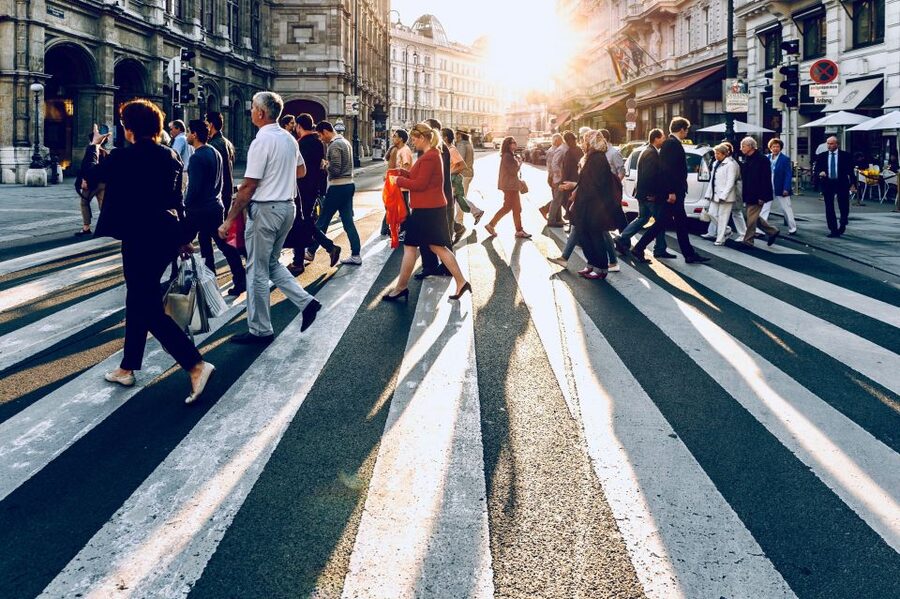
REVIEW · WALKING TOURS
An Introduction to Vienna Walking Tour
Vienna has an art story you can walk. This tour takes you through the gallery mile from Mitte to Potsdamer Straße, guided by expert art historians who connect what you see to what changed after 1989. You get a close look at how Berlin became Europe’s art magnet, while staying on foot in Vienna’s art orbit with real gallery names and street-level context.
What I like most is the way the guides bring the subject down to human scale. You’re not only hearing about artists and shows, you’re also getting the politics and economics behind the scene, and guides like Katerina and Elsa have a knack for answering questions without turning it into a lecture. I also love that the tour starts at Café Hawelka, a real landmark for Vienna’s creative community, and then shifts into a practical route built around galleries you can actually point to.
One consideration: for $176 and 3 hours, you’ll want to be ready for a tight schedule. If weather forces the route to change, you may feel that the time in specific stops is less than you hoped.
In This Review
- Key Highlights You Should Know
- Café Hawelka to Auguststraße: The Tour’s Real Starting Point
- The 3-Hour Plan: Mitte to Potsdamer Straße Without Wasted Motion
- Kunst Werke and the Auguststraße Gallery Start
- The Subway to Potsdamer Straße, and Why It Matters
- The Gallery Mile Stops: Big Names and Small Spaces
- How Berlin’s Post-1989 Shift Gets Explained on Foot
- The Guides: How Expert Voices Change the Walk
- Comfort, Rules, and What to Wear
- Weather and Route Tweaks: Plan for a Slightly Variable Day
- Is $176 Good Value for a 3-Hour Art Tour?
- Who This Tour Fits Best
- Should You Book It?
- FAQ
- How long is the Vienna walking tour?
- Where do I meet the group?
- What language is the tour in?
- What’s included with the tour price?
- Is video recording allowed during the tour?
- Is this tour suitable for people with mobility impairments?
Key Highlights You Should Know
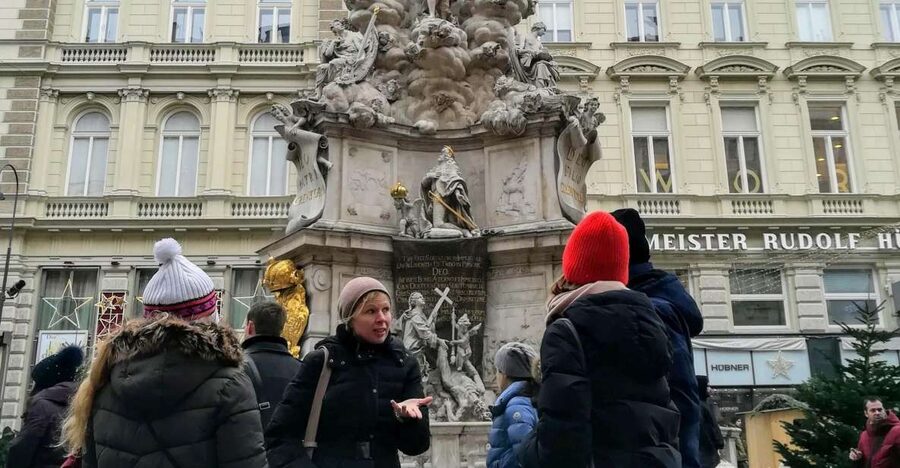
- Start at Café Hawelka (Dorotheergasse 6), a long-time meeting point for the city’s artistic crowd
- Art-history experts lead the walk, including professors, doctoral students, journalists, critics, and published authors
- Follow the “gallery mile” from Mitte to Potsdamer Straße, with a subway transfer to keep the walking efficient
- See both famous galleries and smaller projects, including spaces tucked into courtyards and basements
- Understand why 1989 reshaped Berlin’s art scene, with clear explanations about rents, space, and a looser cultural climate
Café Hawelka to Auguststraße: The Tour’s Real Starting Point
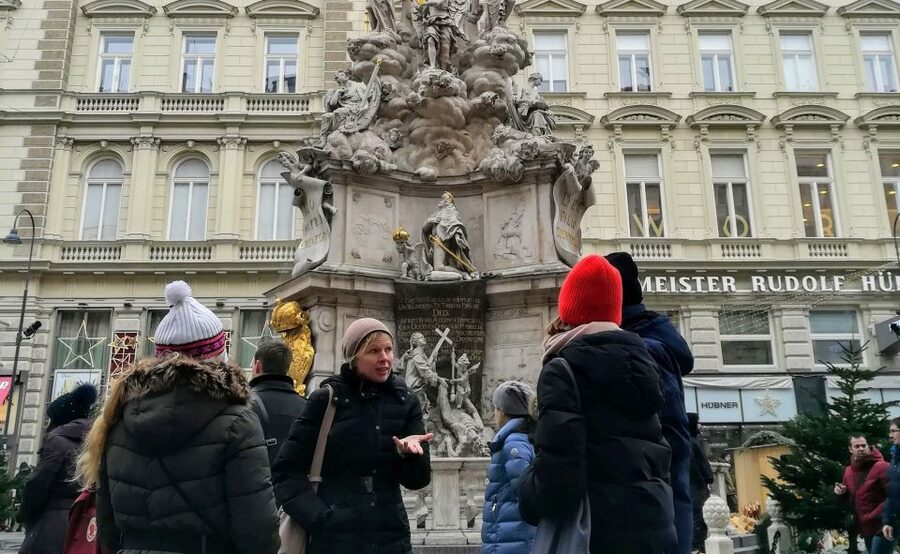
The experience begins at Café Hawelka, right in Vienna’s historic core at Dorotheergasse 6. It’s more than a convenient address. The vibe helps you shift from sightseeing mode into art mode, because the place has been drawing Vienna’s creative community since 1945.
Once you’re moving, the tour sets its tempo on Auguststraße in Mitte, where you’ll find a dense cluster of galleries and art institutions. This matters for you because the opening stretch is designed to teach you how to look. Instead of jumping straight to big names, you build a sense of the neighborhood’s scale and its mix of established spaces and smaller initiatives.
From there, you’re guided toward current shows at intimate galleries, so the tour doesn’t feel like a fixed “checklist only” experience. Depending on what’s on view when you go, you may see very different kinds of exhibitions, which is a big part of why this format works.
More Walking Tours in Vienna
- Vienna: Guided Walking Tour of City Center Highlights
★ 4.7 · 4,989 reviews - Vienna: Vienna Central Cemetery Guided Walking Tour
★ 4.8 · 3,307 reviews - Vienna: Guided Walking Tour of City Highlights & Hidden Gems
★ 4.9 · 2,180 reviews
The 3-Hour Plan: Mitte to Potsdamer Straße Without Wasted Motion
This is a 3-hour walk with one key transit moment: you start on foot in Mitte, then you take the subway to Potsdamer Straße. That subway hop is smart planning, and it helps you keep the day comfortable while still seeing a meaningful slice of the gallery scene.
What you can expect in the overall flow:
You start with galleries around Auguststraße, then move toward the edge of the inner city art action, and finish in the Potsdamer Straße stretch. The guide keeps the story moving by using what you’re seeing as evidence, not just decoration.
The tour’s geography is also important. The famous “gallery mile” here refers to a long, active strip where about 30 galleries and art project spaces sit close enough to feel walkable, even if they are spread across courtyards and side areas. The neighborhood is described as unpolished in character, which is a helpful reminder that contemporary art often grows where the setting is practical, not postcard-perfect.
Kunst Werke and the Auguststraße Gallery Start
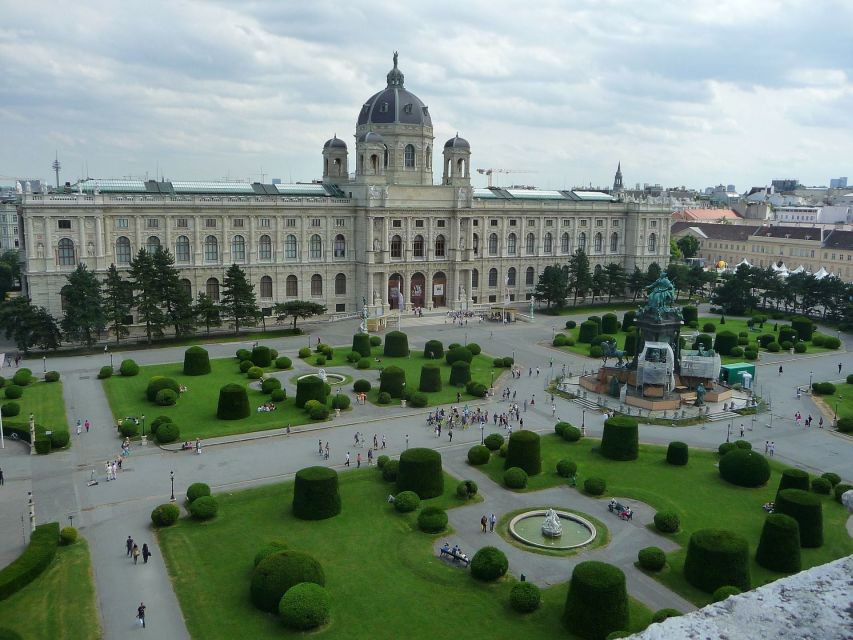
A strong early stop is Kunst Werke, a contemporary art institution founded in the early 1990s. Even if you already know the basics of contemporary art, this kind of anchor institution helps you understand the timeline. It tells you that the area did not spring up overnight, and that the current scene has layers.
In this Auguststraße segment, the tour leans into variety. You’re not only targeting one type of gallery. You’re set up to visit intimate spaces depending on their current shows, which means the experience stays flexible. For you, that translates to more real-time interpretation. The guide can point at what’s on view and connect it back to the bigger story of why Berlin became such an art magnet.
And yes, you’ll also be walking past the everyday texture of the street. That’s a quiet advantage. Art galleries can feel abstract until you see them integrated into how people actually live, shop, and move through the city.
The Subway to Potsdamer Straße, and Why It Matters
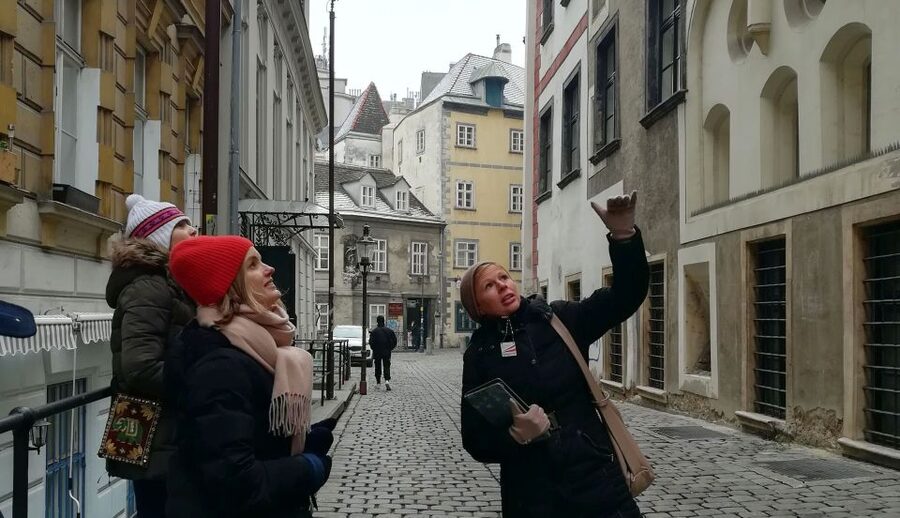
When you head to Potsdamer Straße, you’re not just changing scenery. You’re moving into a part of town that has gained momentum as gallery activity grew. The tour frames this as a shift that has accelerated over roughly the last five years, with many gallerists moving from Mitte to areas south of the Neue Nationalgalerie.
For you, this is where the tour’s “why” becomes clearer. It’s one thing to hear about a gallery district. It’s another to watch a district migrate and expand. This part of the walk helps you see how art ecosystems relocate when economics and cultural conditions line up.
You’ll also encounter a broader range of gallery identities here, from widely recognized spaces to places that feel almost secret. Some are described as small private initiatives hidden in courtyards and basements. If you like art in every size and budget, this is the stretch that usually delivers the most “how did I not know this existed?” moments.
Still the same country, a very different afternoon:
- Vienna: Vivaldi’s Four Seasons Concert in Karlskirche
★ 4.7 · 14,951 reviews - Vienna: Spanish Riding School Training
★ 3.9 · 9,281 reviews - Vienna: Skip-the-cashier-desk-line Giant Ferris Wheel Ride
★ 4.5 · 7,859 reviews - Vienna: Schönbrunn Palace & Gardens Skip-the-Line Tour
★ 4.7 · 7,739 reviews
The Gallery Mile Stops: Big Names and Small Spaces
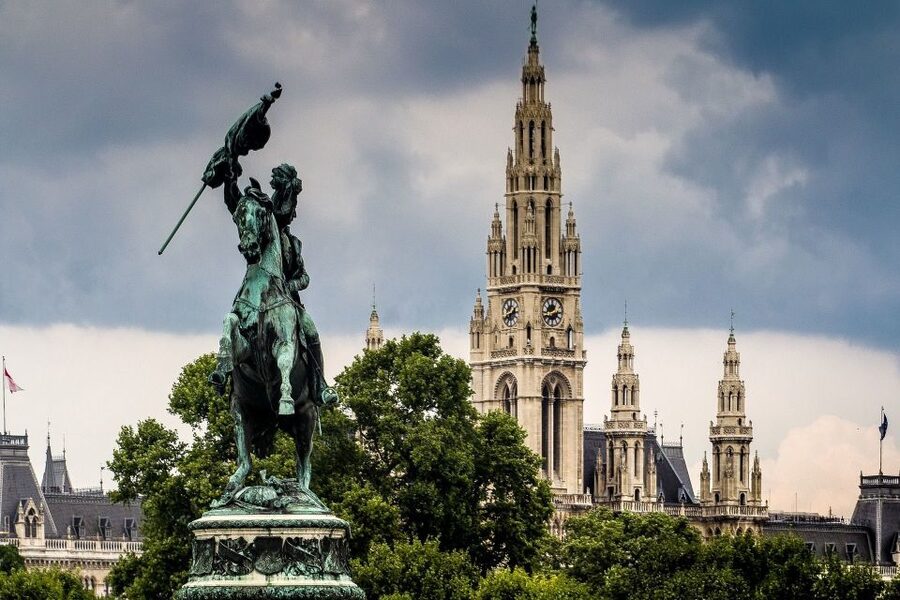
The tour includes a list of well-known galleries that anchor the “gallery mile.” You may visit some of these based on what’s open and how the guide structures the route:
- Esther Schipper
- Isabella Bortolozzi
- Gitti Nourbakhsch
- Guido Baudach
- Arndt
- Plan B
- Tanya Leighton
- Klosterfelde
Even if you’ve never visited these places before, the guide’s job is to keep you from treating them like museums. Galleries are living spaces. The art changes, the curatorial priorities shift, and the audience role changes. A good historian guide helps you interpret why that matters.
At the same time, the tour isn’t only built around prestige. It also includes unique venues, including small private initiatives. That balance is a practical win for you. If you only go to famous galleries, you’ll miss how the scene actually breathes. If you only chase tiny places, you can lose the bigger context.
How Berlin’s Post-1989 Shift Gets Explained on Foot
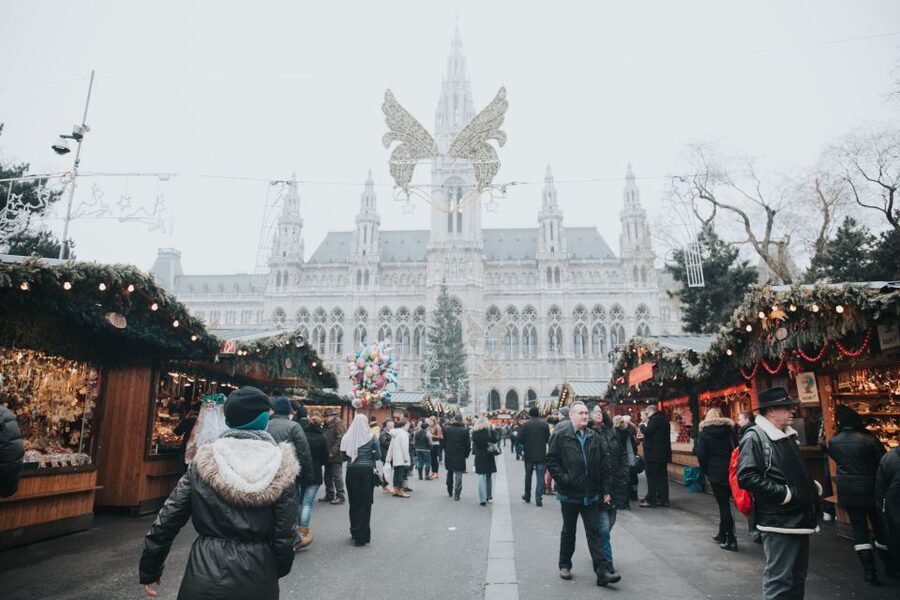
The heart of the tour’s storyline is Berlin’s rise as an art magnet after the fall of the Berlin Wall in 1989. The guide connects that turning point to what made the city attractive for artists, curators, and gallery owners.
In plain terms, you’ll hear explanations built around:
- affordable rents
- a semi-liberal climate
- endless open spaces
Those three ideas work together, and the tour’s value is how it helps you connect them to what you see. It’s not just theory. You walk through a gallery corridor and hear why galleries clustered there in the first place, and why they kept multiplying.
This is the kind of context that makes your future art viewing better. Once you understand the economic and cultural pressures behind the scene, you start noticing patterns, even when you’re far from Potsdamer Straße.
The Guides: How Expert Voices Change the Walk
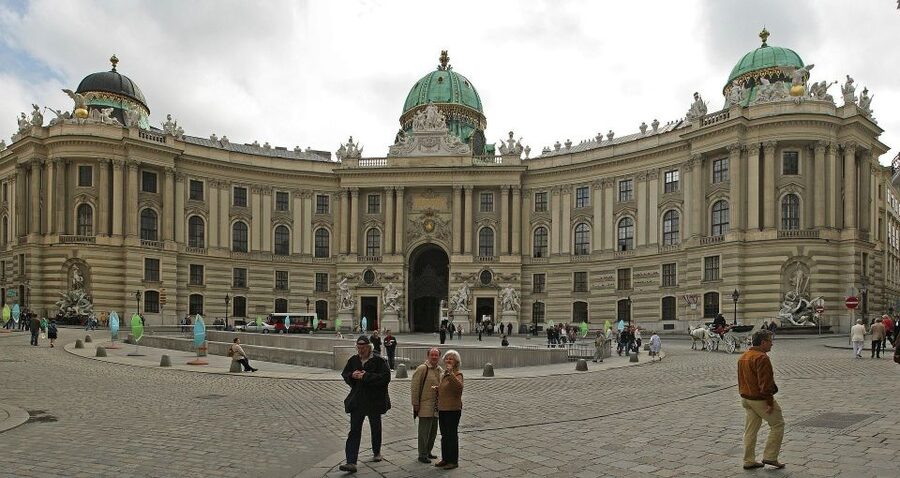
All guides are described as professors, doctoral students, historians, journalists, art critics, or published authors. In real terms, that means you’re getting more than directions and opening-hour trivia. You’re getting interpretive frameworks.
The reviews also point to an important strength: the guides can cover a surprising range without losing the group. One guide, Katerina, was praised for weaving in politics, art, history, economics, military, religious, and social history, and keeping people engaged so the time felt to fly by. Another guide, Elsa, earned compliments for being personally professional and for knowing Vienna well.
This matters because art tours can fall into two traps. Either they become too vague, or they become too fact-heavy. From what this experience is built to do, the sweet spot is guiding you to ask better questions and see more layers per stop.
Comfort, Rules, and What to Wear
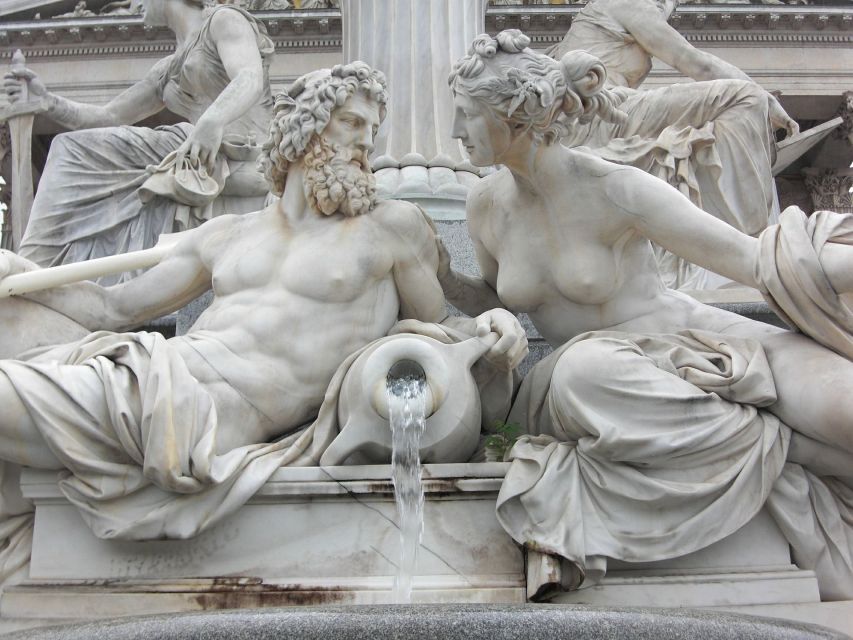
This tour is 3 hours long, and it’s designed for walking. Bring comfortable shoes, because you’ll be moving across multiple areas and into and out of gallery neighborhoods.
There’s also a rule to note: video recording is not allowed. If you like filming for later study, plan to take regular notes instead, or focus your camera time on the street details outside the galleries.
One more practical reality: the tour is not suitable for people with mobility impairments. The route involves walking and a transit segment, so you’ll want to evaluate your own comfort before booking.
Weather and Route Tweaks: Plan for a Slightly Variable Day
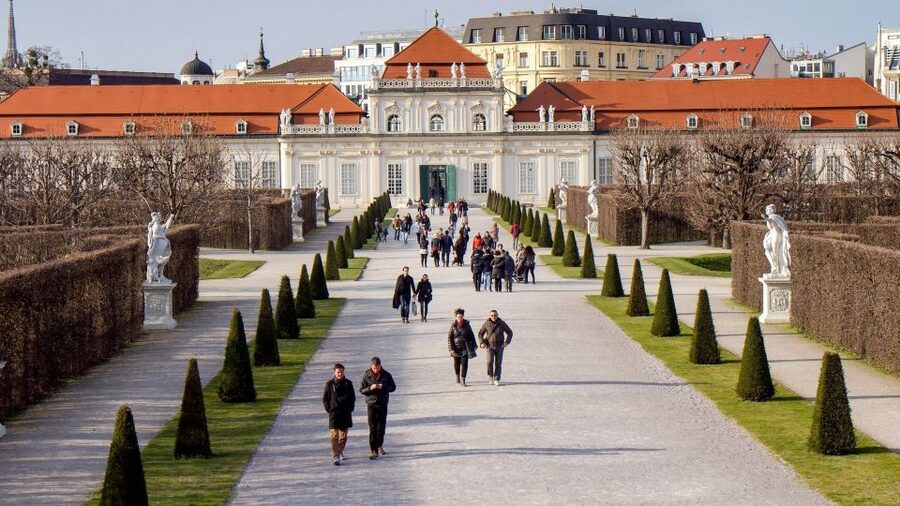
A small but real thing to expect is that the route can be reworked due to poor weather. That’s common for outdoor city walks, but here it can affect how much time you spend at a particular set of galleries.
If you’re the kind of person who cares deeply about seeing a specific gallery show, you’ll get more peace of mind if you think of this as a guided orientation to the scene first, and a selection of gallery visits second.
Is $176 Good Value for a 3-Hour Art Tour?
At $176 per person, this is not a budget stroll. The price makes sense only if you’re buying the right thing: an expert guide plus a structured route that connects galleries to the forces behind Berlin’s art boom after 1989.
Here’s how I’d judge value:
If you enjoy art but also like the why behind the scene, the guide-led interpretation is the value engine. You’re paying for someone who can connect a gallery’s presence to economics, cultural shifts, and historical change.
On the other hand, if you expect a long time inside multiple galleries, or you want more time per stop, $176 for 3 hours could feel tight, especially if weather changes the plan.
This is why the tour fits best when your goal is orientation and context. It helps you leave Vienna with sharper art questions, not just a list of names.
Who This Tour Fits Best
This experience is a great match if:
- you love contemporary art and want context, not just captions
- you like history that explains why neighborhoods change
- you want to see both major galleries and smaller spaces in one coherent walk
- you want an English guide who can answer questions and keep the pace lively
It’s less ideal if:
- you need mobility-friendly access
- you prefer self-guided gallery browsing with more time sitting in one place
If this is your first art-focused day in Vienna, it’s also a solid way to get oriented fast. The route teaches you how to read the city’s contemporary scene, and it does so while keeping a clear narrative thread from Berlin’s 1989 turning point.
Should You Book It?
Book this tour if you want a guided, story-driven introduction to gallery culture across Mitte and Potsdamer Straße. The combination of expert historical guidance, a well-planned route, and named galleries like Esther Schipper and Plan B makes it feel purposeful, not random.
Skip it only if your main goal is maximum time inside specific gallery exhibitions. This walk is built for connections and context, not for hanging around for hours.
FAQ
How long is the Vienna walking tour?
The tour lasts 3 hours.
Where do I meet the group?
You meet at Café Hawelka, Dorotheergasse 6, 1010 Wien.
What language is the tour in?
The tour guide speaks English.
What’s included with the tour price?
The tour includes an expert guide.
Is video recording allowed during the tour?
No, video recording is not allowed.
Is this tour suitable for people with mobility impairments?
No, it is not suitable for people with mobility impairments.
Fresh on the site in Vienna
- World War II History Vienna Old Town Private Walking Tour★ 4.8 · 9 reviews
- Vienna/Bratislava: Traunkirchen, Hallstatt & Salzburg Tour★ 4.8 · 53 reviews
- Vienna: Winery and Wine Tasting Tour with a Wine Expert★ 5.0 · 5 reviews
- Vienna: Wine Tasting Tour★ 4.8 · 61 reviews
- Vienna/Bratislava: Day Trip to Hallstatt & Salzburg★ 4.8 · 21 reviews
- Vienna: Wiener Schnitzel and Strudel Cooking Class★ 4.9 · 126 reviews
- Vienna: Waltz into the Ball Season★ 4.7 · 3 reviews
- Vienna: Wine Tasting E-Bike Tour★ 4.9 · 46 reviews
Walking Tours, compared.
Guided Walking Tour of City Center Highlights
Read our review →
Guided Walking Tour of City Highlights & Hidden Gems
Read our review →
Vienna Historic Center Small Group Walking Tour
Read our review →
Browse the lists this tour appears in