REVIEW · TOURS
Fall in Love with Vienna Tour- the best of Vienna on foot!
Vienna in three hours, on foot. This half-day highlights walking tour strings together Mozart, imperial palaces, and classic coffee houses with local guidance and plenty of stops you can actually point to later. Guides you might meet include Nicola, Nicoletta, and Moritz, and they’re used to helping first-timers find their next best move.
What I like most is the way it mixes famous sights with very Vienna details, from Stephansdom to the Hofburg, plus composer stops like Beethoven’s Pasqualatihaus. I also love the built-in rhythm, especially the extra coffee-house break (offered January to November), which keeps the pacing friendly instead of just marching from monument to monument. One thing to consider: you’ll walk a fair bit on city streets and cobblestones, and in busy periods the group can get crowded enough that hearing your guide may take a bit more effort.
In This Review
- Key things to know before you go
- Vienna’s walking highlights, starting at Mozarthaus Vienna
- Stephansdom to the Pestsaule, the city’s big stories in small moments
- Sweet breaks at Saint Steven’s and the wafer paradise stop
- Coffee culture, Julius Meinl, and why Viennese cafés matter
- Hofburg and the Habsburg storyline you can actually follow
- Volksgarten, the 1000 roses garden, and a Greek temple reminder
- Parliament-front fountain elegance and the Vienna City Hall Christmas angle
- Cafés and composers: Landtmann, Café Central, Beethoven, and more
- Demel, the Sacher cake connection, and the pastry stops that feel intentional
- Spanish Riding School, the hearts chapel, and the Opera finale
- How long is it, and what walking level should you expect?
- Value and price: is $72.59 a good deal?
- Should you book this Vienna highlights walking tour?
- FAQ
- How much does the Vienna walking tour cost?
- How long is the tour?
- What language is the tour in?
- Where do you meet, and where does it end?
- Is a coffee break included?
- Are museum entrance fees included?
- Is the tour suitable for everyone physically?
- What happens if the weather is bad?
Key things to know before you go
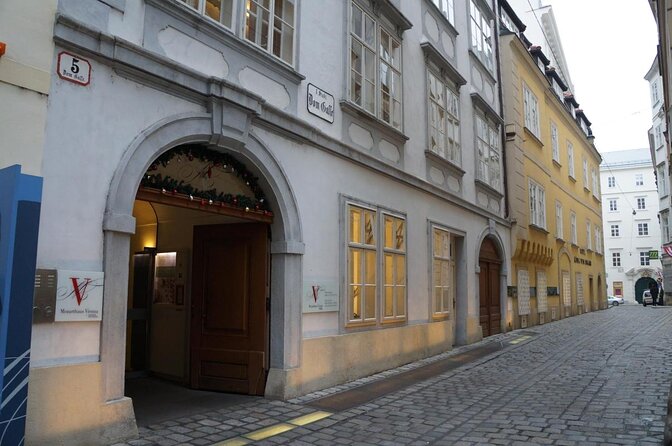
- Mozart starts the route at Mozarthaus Vienna, right by the historic center.
- Most stops are quick hits with free admission noted for each site, so you can see a lot without paying museum entry on every stop.
- Coffee culture is part of the tour, with stops around Julius Meinl and multiple historic cafés.
- Habsburg power is the story, with Hofburg, Sisi Museum, Heldenplatz, and Empress Elisabeth linked into one clear arc.
- You end at the Opera on Ringstrasse, so your walk naturally finishes in a big landmark zone.
- Group size is capped at a maximum of 18, which helps keep the tour conversational rather than lecture-style.
Vienna’s walking highlights, starting at Mozarthaus Vienna
If you only have a half-day in Vienna, you want two things: the major landmarks, and a sense of how they connect. This tour does that by beginning at Mozarthaus Vienna, Mozarts apartment museum in the city center at Domgasse 5. It is an easy starting point to orient yourself, and the guide sets the tone quickly by talking about Mozart’s life and his presence in Vienna, right in front of one of his long-time residences.
One neat optional add-on mentioned with this stop: if you want to attend a classical concert, you can ask to have concert tickets booked in some of the best concert houses in the city. Even if you do not book anything, it helps you understand how central music is to Vienna beyond just statues and posters.
Practical tip: plan to pull your phone camera out a lot here. This is exactly the kind of area where photo angles matter, and the guide can also take photos for your group when you ask.
A few more Vienna options worth a side-by-side
- Vienna: Vivaldi’s Four Seasons Concert in Karlskirche
★ 4.7 · 14,951 reviews - Vienna: Spanish Riding School Training
★ 3.9 · 9,281 reviews - Vienna: Skip-the-cashier-desk-line Giant Ferris Wheel Ride
★ 4.5 · 7,859 reviews
Stephansdom to the Pestsaule, the city’s big stories in small moments
After Mozart, the route moves through the medieval core. Stephansdom, the cathedral of Saint Steven, anchors the walk. It dates back to the 11th century, and you will see why it sits at the center of Vienna’s identity. The guide frames it not as a standalone postcard, but as part of the city’s long timeline.
Next comes a stop that feels very Vienna, because it is both ornate and historical: Colonna Della Peste, also called Pestsaule. This high baroque plague memorial was ordered by Emperor Leopold II as a gesture of gratitude to God for Vienna’s help during the epidemic period. It is one of those moments where you realize Vienna’s beauty often grew out of survival stories, not just royal whim.
A little farther along, Peterskirche offers a different kind of contrast. The inside is described as almost art gallery-like, and the building was rebuilt from scratch after the original was destroyed in the 16th century. If you like architecture, this is a stop that can feel more rewarding than another exterior-only church photo.
Watch your footing: older center streets can be uneven. Good walking shoes make the whole tour feel easier, especially if you are traveling with kids or anyone who moves a little slower.
Sweet breaks at Saint Steven’s and the wafer paradise stop
One of the fun advantages of a guided walk is the snack timing. This tour includes a wafer and candy stop near Saint Steven’s. The description is wafer paradise, and the key detail is variety: not only Neapolitan-style wafers, but other candy options too. It is centrally located, so you get a taste of Vienna without turning your day into a long detour.
Do this the smart way: try something small, then save your appetite for the bigger café and cake moments later in the walk. This tour includes multiple food stops, so pacing your treats helps you enjoy them instead of turning everything into just sugar.
Coffee culture, Julius Meinl, and why Viennese cafés matter
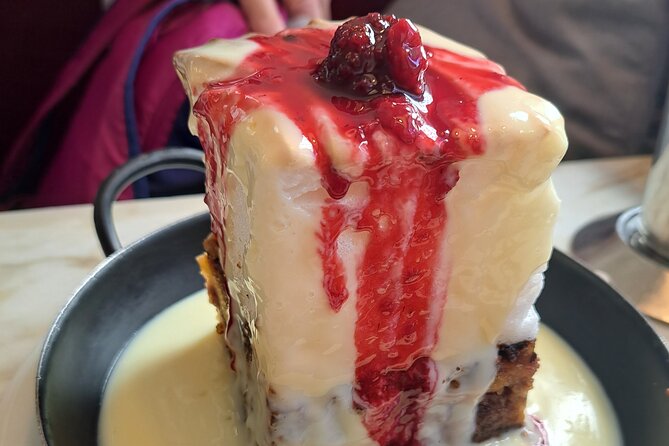
Vienna is not just famous for coffee, it is famous for the culture around coffee. This tour leans into that. You stop at one of the central Julius Meinl locations on Kohlmarkt street, identified as one of the most expensive shopping streets in the heart of the city. The guide explains how Vienna’s coffee culture developed, which makes the cafés later on feel more meaningful than just places to sit down.
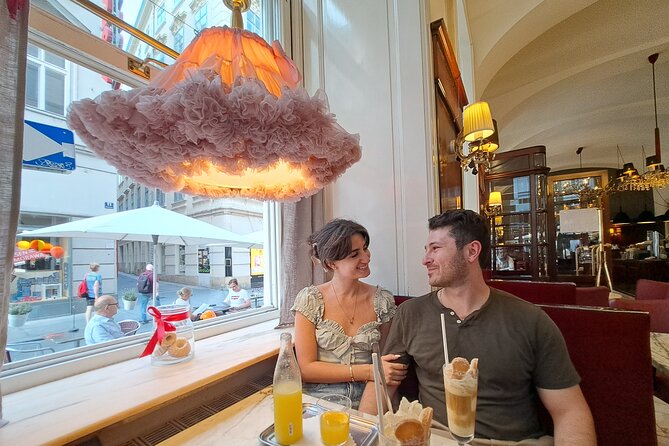
Even better, you get an extra coffee-house break in a traditional café (January to November only). This is built into the included experience, so it is not something you have to figure out on the fly. Take it seriously: coffee stops in Vienna are part of the rhythm of the city, not an optional detour.
What to order depends on your taste, but if you like classics, this is when you can plan for something pastry-forward, like cake or strudel. The break is also a good moment to ask your guide practical questions about where to go next after the tour ends.
Still the same country, a very different afternoon:
- Vienna: Schönbrunn Palace & Gardens Skip-the-Line Tour
★ 4.7 · 7,739 reviews - Vienna: Light of Creation Votive Church Immersive Light Show
★ 4.8 · 6,779 reviews - Vienna Spanish Riding School Guided Tour
★ 4.7 · 6,765 reviews - Vienna: Classical Concert in the World-Famous Musikverein
★ 4.6 · 6,673 reviews
Hofburg and the Habsburg storyline you can actually follow
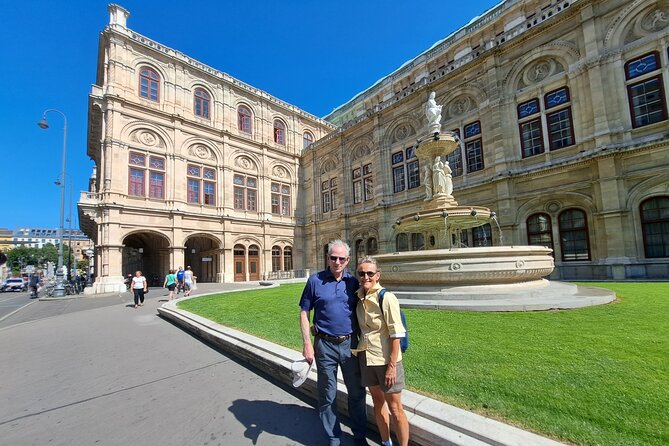
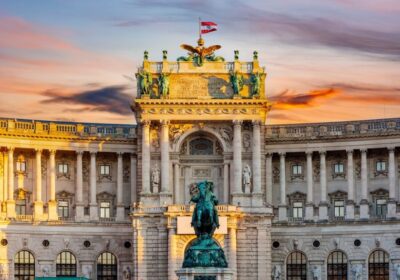
The heart of this tour is the Habsburg section. The Hofburg is where the city’s power story becomes visible. The guide shows you the parts of the palace connected to Elisabeth, Franz, and Maria-Theresa, then turns it into a clear explanation of court life and what working in the palace was like. The framing is that the Habsburgs ruled for around 700 years, so you can think of this part as a time machine in short walkable segments.
Right alongside this, the tour includes the Sisi Museum, connected to the museum of the Emperor’s Apartments. The guide is described as bringing the legend of Empress Elisabeth to life through storytelling. Even if you do not go super deep into exhibits, the way the route is set up helps you connect what you are seeing to who lived there and what their lives looked like.
Heldenplatz is the next big shift. The square of the Heroes functions as the entrance of the Winter Palace, with multiple museums in the area and the biggest ball room of the palace zone mentioned in the stop description. It is a strong visual transition from palace history into the scale of public ceremonial Vienna.
If you like stories that tie places together, this section is one of the best uses of your time.
Volksgarten, the 1000 roses garden, and a Greek temple reminder
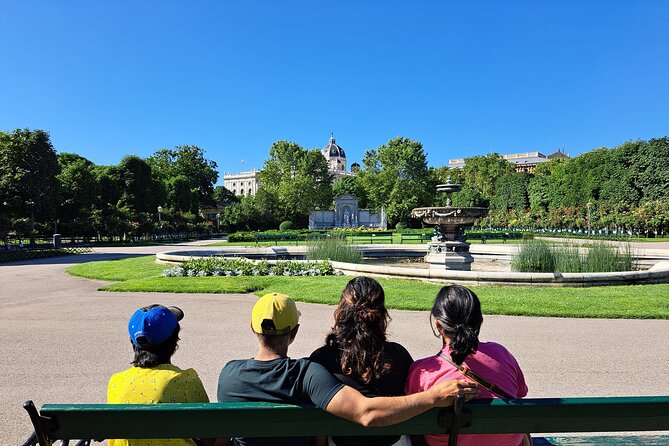
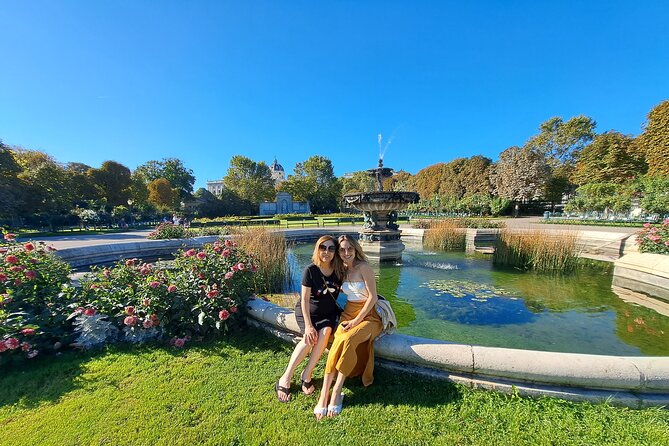
Not everything on this walk is about crowns and churches. Volksgarten is the next palate-cleanser. This garden was made in 1821 and is described as one of the best preserved parks in the center. You also get the charming detail of the Garden of the 1000 roses, which is the sort of Vienna imagery that makes you stop, look up, and actually enjoy the space between landmarks.
In the middle of the garden, the tour highlights a Greek-style temple. It is framed as a reminder of the Habsburgs emperors’ love for Greece. That kind of detail is why a guided walk can be better than a do-it-yourself list from your phone.
If you are photographing, consider this a good place to slow down. Between cobbles and crowds, parks are where your feet get a little rest and your camera gets better light.
Parliament-front fountain elegance and the Vienna City Hall Christmas angle
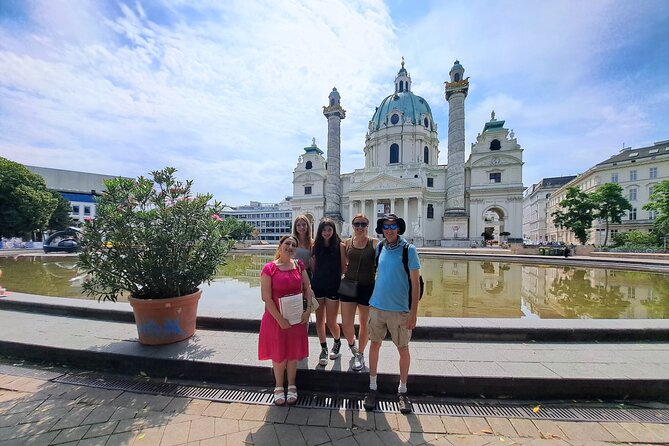
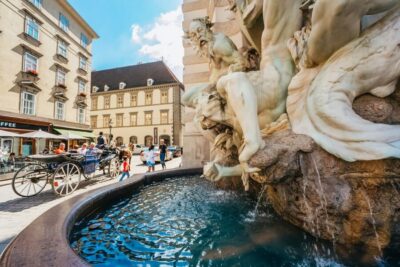
Back into architecture and symbols: Pallas-Athene-Brunnen is next, described as the fountain of Palace Athena in front of the Austrian Parliament. You learn what the goddess Athens is holding and what the representation stands for. Even a quick look helps you spot the visual language Vienna uses across public art.
Then the route touches Vienna City Hall. The description points to its new-gothic architecture and notes that it hosts events year-round, including the largest Christmas market in Vienna. So if you are visiting in winter, you will know exactly where to return for festive planning. If you are visiting in summer, this stop still helps you understand what makes the city center feel event-driven.
Cafés and composers: Landtmann, Café Central, Beethoven, and more
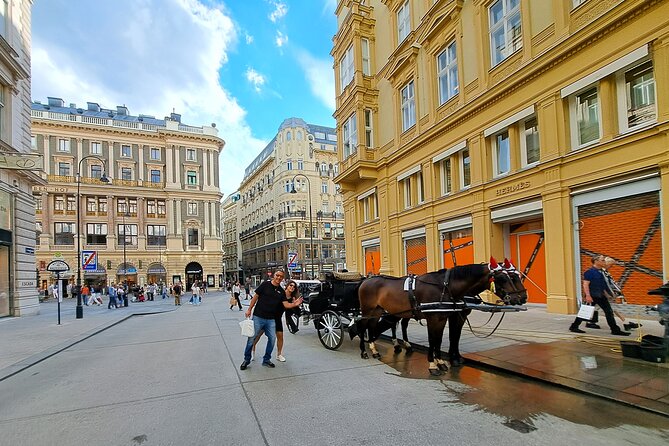
Vienna’s music and café scenes are intertwined. This tour keeps connecting them.
You pass the Royal Theater at Burgtheater, built in the 17th century by Empress Maria Theresa. It is a quick but smart stop because it explains how theater traditions fit into the larger story of Habsburg patronage.
Then comes Café Landtmann, tied to Sigmund Freud. The stop description calls it the psychologist’s favorite coffee house. It is a detail that sticks because it connects Vienna’s café culture to big ideas, not just gossip and pastries.
You also pass Beethoven Pasqualatihaus, a residence turned museum. Even when you are not going inside, learning that it is a former home changes how you read the street.
Other architecture and religious stops add texture too, like Schottenkirche, a 13th-century church and monastery and museum complex connected to early churches in Vienna. Next is Palais Ferstel, described as beautiful and packed with coffee shops, restaurants, shops, and a passage area where you can admire the building and fountain.
Then you reach Café Central, called the most famous coffee house in Vienna, set in a historic palais. This is a good moment to decide how much café time you want to add on your own later. The tour gives you the names and the context so you are not wandering blind.
Demel, the Sacher cake connection, and the pastry stops that feel intentional
This tour includes two big sweet-name brands, and they are placed with a reason.
Demel Vienna is described as Empress Elisabeth’s favorite cake shop, outside the Winter Palace. The menu angle is clear, with excellent chocolates, pancakes, and cakes. If you love desserts, this is where you can do a real Vienna-style treat instead of a token snack.
Then you stop at Hotel Sacher Vienna, described as the birthplace of the Sacher cake. You get the story behind it, which makes the cake more than a souvenir. If you are worried you will get sugar fatigue, that concern is fair. But because the walk is paced and there is a coffee break built in, you can plan your eating to match your energy.
If you prefer savory over sweet, you can still make these stops work. Even a quick look and a coffee at one of the famous places helps you learn the vibe, then you can choose where to splurge.
Spanish Riding School, the hearts chapel, and the Opera finale
This is where the tour turns ceremonial and dramatic.
The Spanish Riding School stop frames the tradition starting back to Emperor Maximilian and connects it to the importance of having a powerful military presence for the country. It also points out that Vienna has one of the oldest and best 4 horse riding schools in the world. The guide explains the training and the horses, which helps you understand why people treat this place like a living institution, not just a show.
Augustinerkirche adds a darker detail in a wonderfully Vienna way. The chapel inside is said to contain 50 hearts of emperors and empresses of Austria, kept as a treasure since the 17th century. It is quick to see, but the meaning hits.
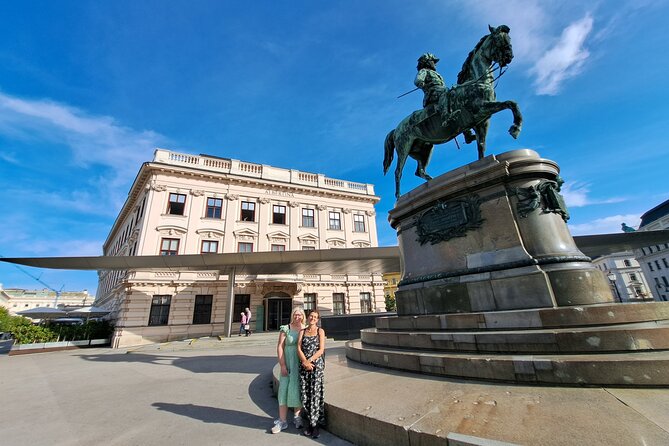
Near the end, you reach Albertinaplatz, linked to the Winter Palace area and the Albertina museum, plus a memorial for the Jewish community of Vienna and the central tourist information office. This stop helps you understand Vienna as layers of history, not just a highlight reel.
Finally, you arrive at Wiener Staatsoper, the Viennese Opera, built in 1869 and located on Ring street. It is an end-point that makes sense. You finish at a big landmark zone, so you can easily jump into the rest of your evening plans.
How long is it, and what walking level should you expect?
The tour lasts about 3 hours. Expect a solid walk in the historic center, with short stops and time for pictures and questions.
The physical requirement is described as moderate fitness. The route includes cobblestones, so shoes with grip matter. One review described about 5k of walking, which sounds about right for a route packed with city-center stops.
If you want a smoother experience, pick your departure time strategically. Morning departures tend to be calmer, and afternoon departures can still be great, but crowds can make it harder to hear your guide at key points.
Value and price: is $72.59 a good deal?
At $72.59 per person, the value comes from what is included, not from ticket lines you never pay. Here is what you get that adds up fast:
- A friendly, engaging guide for about 3 hours
- A small to medium group size, maximum 18, which makes questions easier
- A practical set of recommendations, plus a printed Vienna information package and city map
- A mobile ticket
- An extra 30-minute coffee-house break in January to November
- Many stops marked as free admission, so you can see a lot without stacking museum costs
The tour does not include tips, and it does not include entrance fees to museums. That said, the route is built around major sights, and many stops are outside-view or quick looks where you are not forced into every ticket purchase.
My take: if you are first time in Vienna, or you only have a day or two, this price can feel like buying time. You are paying to have someone connect the dots between Mozart, palaces, cafés, and public art, while you keep moving.
Should you book this Vienna highlights walking tour?
Book it if:
- You want a fast, organized Vienna overview without a car or transit chaos
- You like music and imperial history, but you also want the coffee and pastry side of the city
- You want a guide who can help you plan what comes next, with a printed info package and local suggestions
Skip or rethink if:
- You want deep museum time and long indoor ticket sessions. This tour is a highlights walk with quick stops, not a day at one museum.
- You hate walking on cobblestones. If you have mobility limits, choose a calmer departure time and bring supportive shoes.
If you go in with the right mindset, this tour does what it promises: it helps you fall into Vienna quickly, then gives you a roadmap for the rest of your trip.
FAQ
How much does the Vienna walking tour cost?
The price is $72.59 per person.
How long is the tour?
It runs about 3 hours.
What language is the tour in?
The tour is offered in English.
Where do you meet, and where does it end?
You start at Mozarthaus Vienna, Domgasse 5, 1010 Wien. The tour ends at Ringstrasse in front of the Viennese Opera house, at Herbert-von-Karajan-Platz, Staatsoper, 1010 Wien.
Is a coffee break included?
Yes, there is an extra 30-minute break in a traditional Viennese coffee house, but it is offered January to November only.
Are museum entrance fees included?
Tips are not included, and entrance fees to museums are not included.
Is the tour suitable for everyone physically?
It is described as requiring moderate physical fitness. The tour is a walking experience and you should be comfortable walking through the city.
What happens if the weather is bad?
This experience requires good weather. If it is canceled due to poor weather, you will be offered a different date or a full refund.
Fresh on the site in Vienna
- World War II History Vienna Old Town Private Walking Tour★ 4.8 · 9 reviews
- Vienna/Bratislava: Traunkirchen, Hallstatt & Salzburg Tour★ 4.8 · 53 reviews
- Vienna: Winery and Wine Tasting Tour with a Wine Expert★ 5.0 · 5 reviews
- Vienna: Wine Tasting Tour★ 4.8 · 61 reviews
- Vienna/Bratislava: Day Trip to Hallstatt & Salzburg★ 4.8 · 21 reviews
- Vienna: Wiener Schnitzel and Strudel Cooking Class★ 4.9 · 126 reviews
- Vienna: Waltz into the Ball Season★ 4.7 · 3 reviews
- Vienna: Wine Tasting E-Bike Tour★ 4.9 · 46 reviews
Tours, compared.
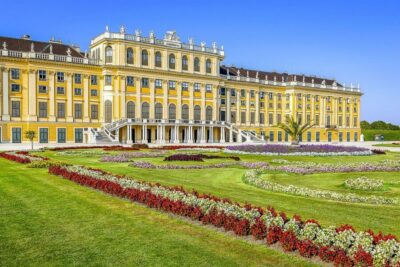
Schönbrunn Palace & Gardens Skip-the-Line Tour
Read our review →
Skip-the-Line Sisi Museum, Hofburg and Gardens Tour
Read our review →
Skip-the-Line Schönbrunn Palace & Gardens Tour
Read our review →
Guided Walking Tour of City Center Highlights
Read our review →