REVIEW · 1-DAY TOURS
Vienna: Day Trip to Mauthausen Concentration Camp Memorial
One bus ride, and history hits hard. This Vienna day trip to the Mauthausen Memorial is intense, structured, and very educational, with an English-speaking guide on the site plus optional 12-language audio guides for when you want to slow down. I especially like how the day is paced so you get context on the way there, then a guided walk through the preserved camp route.
The main drawback to think about is time. Once you add the bus ride, lunch, and the guided portion, you can still feel a little rushed if you want to read every sign and sit with every exhibit for long stretches.
In This Review
- Key things that make this trip worth your time
- Vienna to Mauthausen: why this day trip matters
- The drive out of Vienna: context before the hard parts
- Arriving at the Memorial: how the guided route is set up
- The Stairs of Death and the preserved camp spaces
- The museum stops that add depth: quarry, exhibits, and the Room of Names
- Audio guides in 12 languages: useful, but don’t ignore the signs
- Lunch and timing: the honest reality of a day trip
- Who this tour fits best (and who might reconsider)
- Price and value: what you’re really paying for at $174
- Should you book the Vienna to Mauthausen day trip?
- FAQ
- Where do I meet for the tour?
- How long is the day trip?
- Is round-trip transportation from Vienna included?
- What’s included besides the bus?
- Is lunch included?
- Is it suitable for children?
- Is the tour wheelchair accessible?
Key things that make this trip worth your time

- Round-trip bus from Vienna makes this one of the easiest ways to reach a serious memorial site.
- English live guiding at the camp helps you connect names, places, and what happened there.
- A preserved route takes you past the roll call area, prisoner barracks, the Stairs of Death, and into the memorial grounds.
- Room of Names and the museum spaces give you more than facts, they give you a human scale to remember.
- Audio guides in 12 languages let you switch to self-paced learning without leaving you stranded.
- Guides can be interactive and human in style, with some leaders highlighted for clear, thoughtful teaching (names you may hear include Clara, Fleming, Ben, Robert, Adam, and Tom).
Vienna to Mauthausen: why this day trip matters
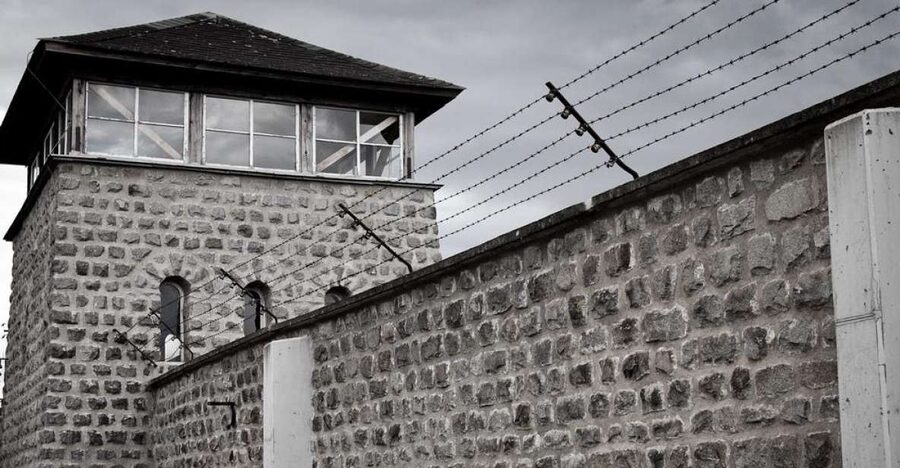
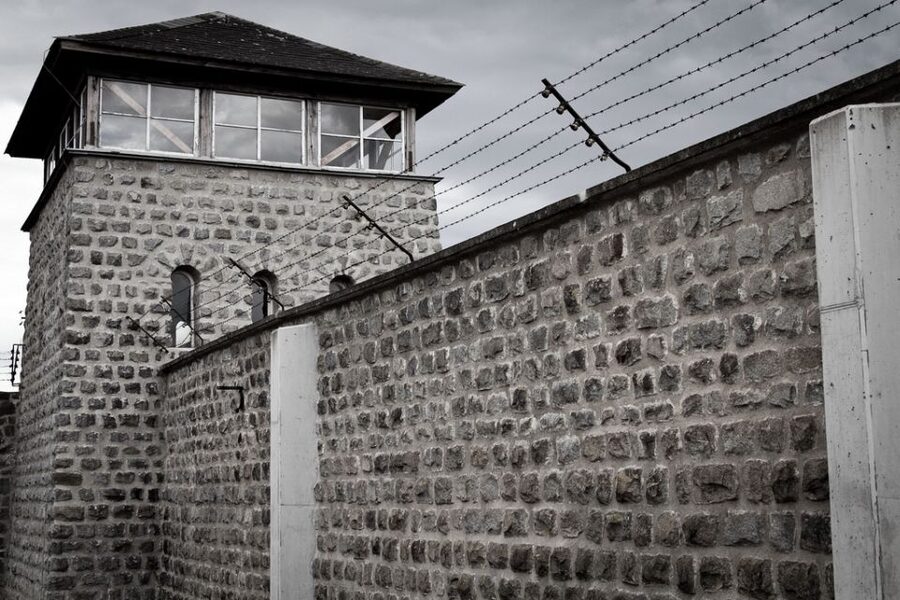
Mauthausen is not the kind of place you see as a checklist item. It is built to be walked, looked at, and processed slowly, because so many parts of the camp still shape the story physically. You’re going to a concentration camp memorial in Upper Austria, one of the largest labor camp complexes tied to the Nazi system. That alone makes it significant.
What makes the day trip work from Vienna is the structure. You’re not left alone with only a map and your own questions. The plan pairs bus-time context with an on-site guide, so you arrive already oriented to the history, the layout, and the meaning of what you’re about to see. Then you have optional audio and museum time to keep learning in your own rhythm.
And yes, the emotion level is high. This is a site of forced labor, persecution, and mass death. The goal is remembrance and understanding, not tourism vibes. If you come prepared for a somber day, it can be deeply meaningful.
A few more Vienna options worth a side-by-side
- Vienna: Vivaldi’s Four Seasons Concert in Karlskirche
★ 4.7 · 14,951 reviews - Vienna: Spanish Riding School Training
★ 3.9 · 9,281 reviews - Vienna: Skip-the-cashier-desk-line Giant Ferris Wheel Ride
★ 4.5 · 7,859 reviews
The drive out of Vienna: context before the hard parts
This tour starts in Vienna at Tourist-Info Wien. From there, you’re on a coach for about two hours each way. That transit time is not filler. It’s used for a history overview from an English-speaking tour leader, aimed at helping you understand Austria under Nazi rule and where Mauthausen fits into that system.
I like that approach because it saves you from the common mistake of arriving at the camp with only general Holocaust knowledge. Here you get a framework for what a labor camp complex was designed to do, and why Mauthausen was both brutal and systematic. You also get a sense of the timeline, because the camp operated from 1938 to 1945, and the sheer scale matters when you try to understand why sites like this were built, expanded, and maintained.
Some guides are also known for making the drive feel interactive. People mention leaders using materials at stop points, and names like Ben, Tom, Adam, and Robert come up when discussing how the road portion gets turned into learning rather than just waiting.
Arriving at the Memorial: how the guided route is set up
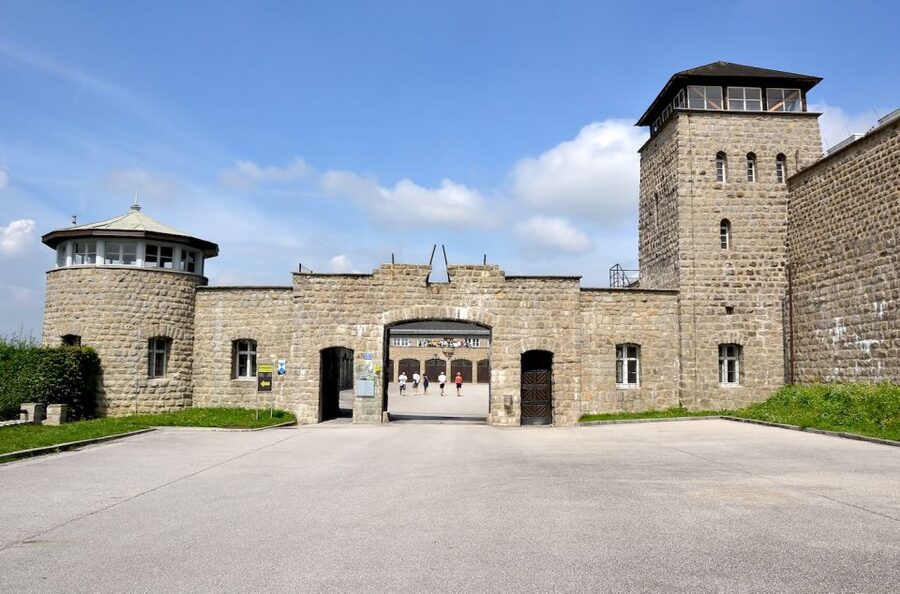
Once you reach the Mauthausen Memorial, you join a live-guided tour in English. This is a key part of the experience because you’re following the preserved path of prisoners through major locations, not just looking at isolated plaques.
The route typically includes:
- the roll call area
- the prisoner barracks
- the Stairs of Death
- the memorial park located on the grounds of the former SS camp
This is not casual sightseeing. The guide’s job is to connect what you see to what it meant for real people. The best guides do that without turning it into sensational shock. Instead, they help you notice details you might miss, like how places were used for control, how movement within the camp was managed, and how the camp’s physical design supported cruelty.
A useful detail from the way this tour is described is that it pushes you to think about different roles during the Nazi era, including perpetrators and bystanders. That kind of perspective can be uncomfortable, but it’s also one of the most valuable parts, because it turns history into something you can actually question and reflect on.
The Stairs of Death and the preserved camp spaces
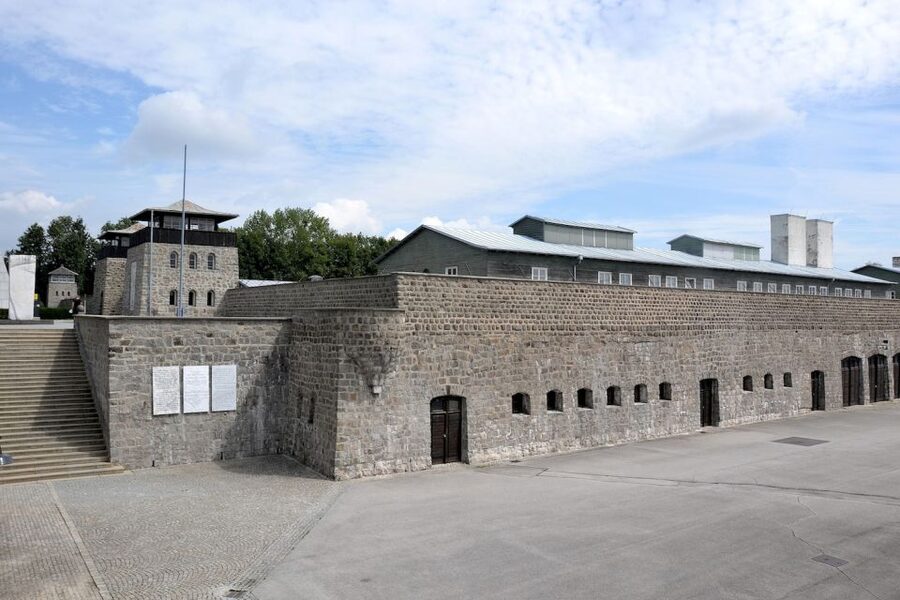
The Stairs of Death is usually the moment your brain catches up to the reality. Even if you know the camp’s reputation, standing where people were forced to move under extreme conditions makes the story hit differently. It helps explain why Mauthausen is remembered not only for mass killing, but also for the ongoing terror of labor and survival.
Along with the stairs, the roll call area and the barracks give you a clearer picture of how the camp ran day to day. You see spaces tied to organization, confinement, and the constant threat of punishment. The point of this guided portion is to help you interpret the setting, so you’re not just staring at stone and railings wondering what you’re supposed to notice.
I also appreciate that the tour tends to set expectations about how you should treat the site. It’s designed for respect, not chatter. If you’re sensitive to heavy topics, plan on taking breaks for a few minutes between stops, even if you don’t walk away entirely.
Still the same country, a very different afternoon:
- Vienna: Schönbrunn Palace & Gardens Skip-the-Line Tour
★ 4.7 · 7,739 reviews - Vienna: Light of Creation Votive Church Immersive Light Show
★ 4.8 · 6,779 reviews - Vienna Spanish Riding School Guided Tour
★ 4.7 · 6,765 reviews - Vienna: Classical Concert in the World-Famous Musikverein
★ 4.6 · 6,673 reviews
The museum stops that add depth: quarry, exhibits, and the Room of Names
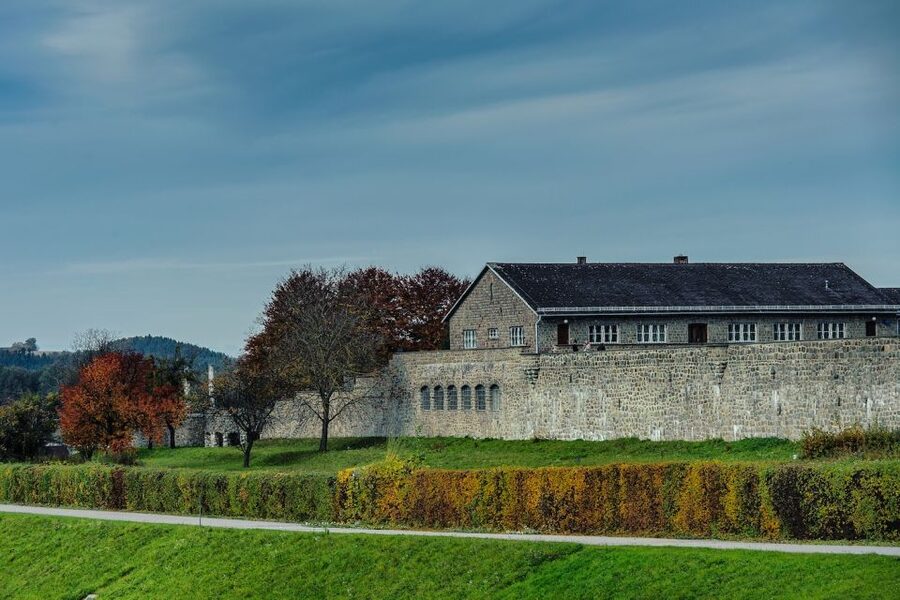
After the guided route, you’ll have time for self-paced visiting inside the Mauthausen Museum. This is where the memorial often moves from structure to humanity.
Two parts stand out in the tour description:
- the Room of Names
- the quarry, tied to brutal forced labor
The Room of Names is especially powerful because it shifts you from thinking about numbers to thinking about identities. It’s the kind of exhibit that rewards quiet attention. If you’re tempted to rush, don’t. Even a short pause to read a section slowly can make the museum feel more personal and less abstract.
The quarry matters because it ties the landscape of labor to the camp’s machinery of suffering. You can stand where work was forced, and the historical story feels less like a lecture and more like something you’re witnessing through the remains.
And if you prefer guiding you through details with your ears, the tour offers audio guides in 12 languages, which can help you continue learning at your own pace while you walk those spaces.
Audio guides in 12 languages: useful, but don’t ignore the signs
You have the option to use audio guides in 12 languages, which is a big deal here. The languages listed include English, Spanish, Czech, Dutch, French, German, Hebrew, Hungarian, Italian, Polish, Russian, and Turkish.
For me, audio guides are best when you treat them like a companion, not a replacement for reading. The memorial includes signage and interpretive materials for a reason. If you rely only on audio, you might miss a visual detail that the guide expects you to notice. If you rely only on reading, you might miss context provided through narration.
The most practical compromise is simple:
- Start by letting the live guide orient you.
- During self-guided time, use the audio when you want background or clarification.
- When you see a key explanation on the wall or floor, give it a real minute.
This is also where accessibility helps. The tour is wheelchair accessible, which means you can plan your pace and get to the major areas without feeling like you need to keep up with a sprint.
Lunch and timing: the honest reality of a day trip
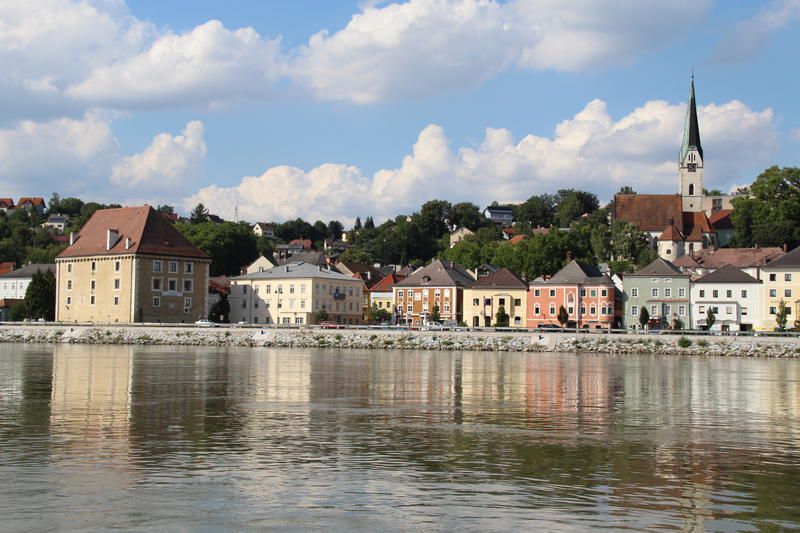
Lunch is part of the day, but it is not included. The tour description also says there are refreshments and light meals available at the on-site Bistrot.
Timing is where people can feel squeezed. Some people want more time at the memorial itself and wish they had stretched the self-guided portion. That lines up with the structure here: there is bus time, a guided camp tour, then museum time, then the drive back.
If you’re the type who reads slowly or likes to revisit a key spot after you’ve learned more, I’d plan for a little extra patience. Wear comfortable shoes, because you’ll be on your feet. Bring a small water bottle if you’re allowed where you’re standing, and keep your schedule flexible in case you want to linger near the memorial spaces.
Also, remember the lunch decision can affect your mood for the afternoon. If you can, eat in a way that keeps your energy steady so you don’t feel drained right after the emotional museum stops.
Who this tour fits best (and who might reconsider)
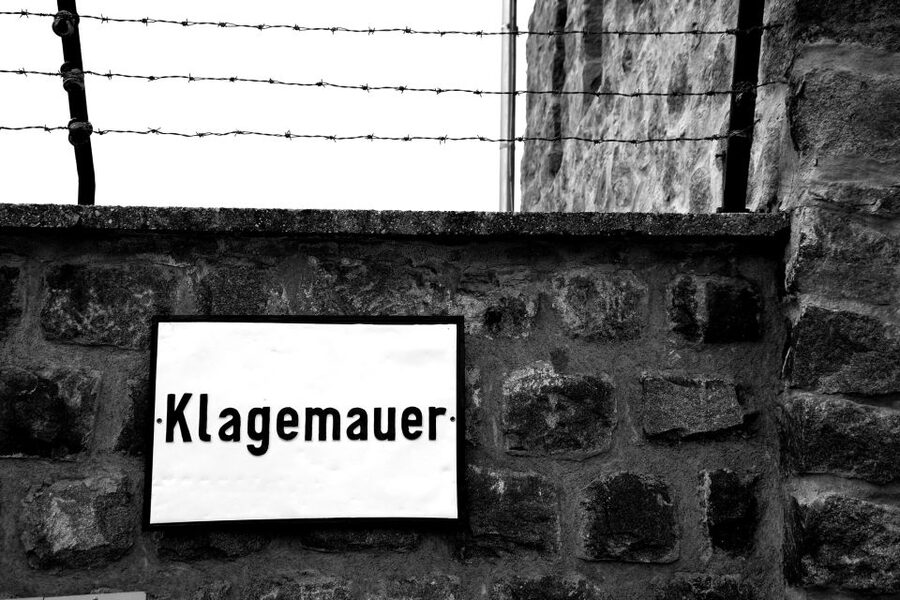
This is a memorial visit, and the tour itself notes it is not recommended for children aged 14 and younger. That makes sense given the subject matter and the emotional weight of the camp’s preserved spaces.
For adults, it’s a strong match if you:
- want guided context and not just a self-guided walk
- care about historical understanding, not only photographs
- are comfortable with somber, reflective experiences
It can also work for people with mobility needs, since the tour is wheelchair accessible. Still, the camp grounds are old and open-air in places, so it’s smart to think about weather and walking surfaces.
One more practical point: guide quality matters. Some people specifically praised certain camp guides for clear, respectful teaching and for using questions to help the group think. Others found a guide less organized in delivering content. You cannot control who you get, but you can control how you use the day: take the parts that work for you, and don’t be afraid to switch to audio and reading when you want more structure.
Price and value: what you’re really paying for at $174
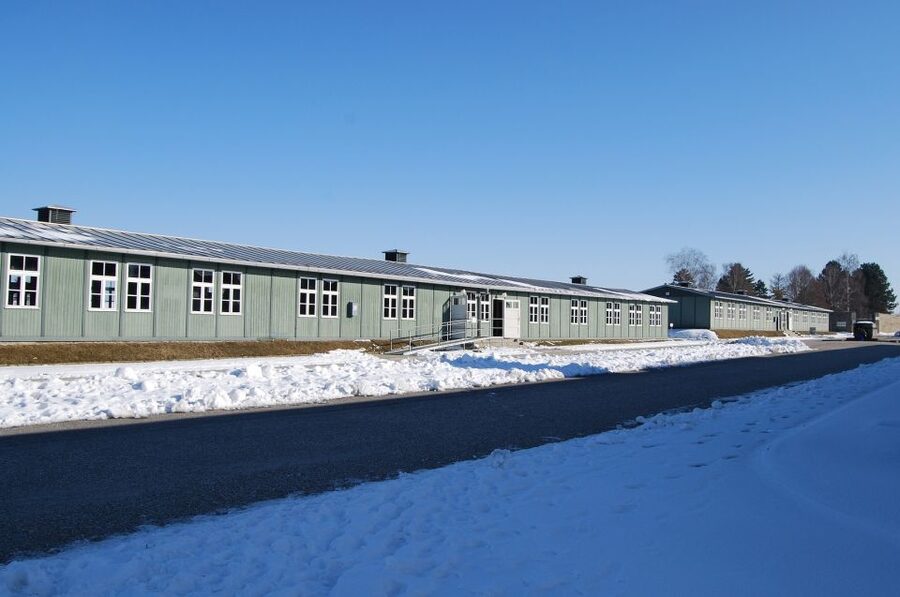
At $174 per person, you’re not paying for a casual outing. You’re paying for three layers of value:
- Round-trip transportation from Vienna (so you don’t have to coordinate trains or a complicated drive)
- Entrance to the memorial and museum
- A guided English tour at the camp, plus optional audio for self-paced learning
For a city break where you have limited time, that package makes sense. If you tried to cobble this together on your own, you’d likely spend time figuring out transport and still pay for entry. The added benefit here is the historical orientation during the ride, which makes your on-site experience more coherent.
Is it cheap? No. But for a day where the goal is respectful remembrance and understanding, the cost can feel reasonable because it buys structure, language support, and less logistical stress.
If you’re traveling solo, you also get the advantage of a group setting with an expert leader, which can be helpful when you’re faced with a site that is heavy and specific.
Should you book the Vienna to Mauthausen day trip?
Book it if you want a guided, language-supported visit that gives you enough structure to understand what you’re seeing. This is especially true if you value being taught the historical framework before you walk the camp’s preserved areas.
Skip or reconsider if:
- you’re hoping for a light, casual day
- you have trouble with very somber topics
- you know you need more than a few hours on site to read and absorb at your own pace
If you do book, go with the right mindset: plan for a reflective day, wear comfortable shoes, and use the audio guides as a tool to support your attention, not as a way to rush through the museum.
FAQ
Where do I meet for the tour?
Meet at Tourist-Info Wien.
How long is the day trip?
The total duration is 510 minutes.
Is round-trip transportation from Vienna included?
Yes. Round-trip transportation from Vienna to Mauthausen Memorial is included.
What’s included besides the bus?
You get entrance to Mauthausen Memorial & Museum, a guided tour of Mauthausen Memorial in English, plus optional self-guided audio guides in 12 languages. An English-speaking tour leader is part of the experience.
Is lunch included?
No. Lunch is not included. There are refreshments and light meals available at the on-site Bistrot.
Is it suitable for children?
This tour is not recommended for children aged 14 and younger.
Is the tour wheelchair accessible?
Yes, the tour is wheelchair accessible.
Fresh on the site in Vienna
- World War II History Vienna Old Town Private Walking Tour★ 4.8 · 9 reviews
- Vienna/Bratislava: Traunkirchen, Hallstatt & Salzburg Tour★ 4.8 · 53 reviews
- Vienna: Winery and Wine Tasting Tour with a Wine Expert★ 5.0 · 5 reviews
- Vienna: Wine Tasting Tour★ 4.8 · 61 reviews
- Vienna/Bratislava: Day Trip to Hallstatt & Salzburg★ 4.8 · 21 reviews
- Vienna: Wiener Schnitzel and Strudel Cooking Class★ 4.9 · 126 reviews
- Vienna: Waltz into the Ball Season★ 4.7 · 3 reviews
- Vienna: Wine Tasting E-Bike Tour★ 4.9 · 46 reviews
1-Day Tours, compared.
Hallstatt Guided Day Trip from Vienna With Boat Ride Option
Read our review →
Hallstatt, Salzburg, Melk, Alps & Lakes Day Trip
Read our review →