
REVIEW · WALKING TOURS
Vienna: Hidden Secrets and Local Stories Walking Tour
Stepping off the main squares feels like going undercover in Vienna. This 2-hour small-group walk mixes famous stops, like St. Stephen’s Cathedral, with lesser-known courtyards and side streets where legends and symbols actually make sense. You also get the kind of guided storytelling that teaches you what to notice, not just what to see.
I like two things a lot here. First, the tour keeps pulling you into the details, from Mozart’s final residence and what people get wrong about his last chapter to the meaning of architectural clues you would otherwise miss. Second, the guides bring a strong human touch, with humor and quick check-ins that keep the pace fun, even when you are walking nonstop for two hours.
One thing to consider: this route is not set up for everyone. It is not suitable for people with mobility impairments or wheelchair users, and it is also not a good fit for kids under 12, so check your group first.
In This Review
- Key things that make this Vienna walk worth your time
- Why this tour works better than a highlights-only walk
- The 2-hour route, from Stephansplatz to the old university quarter
- Starting near a Bankomat, then right into the action
- St. Stephen’s Cathedral and Stephansplatz, but with real-world context
- Courtyards and hidden center paths, where legends live
- Palais Neupauer-Breuner and the Deutsches Haus, Vienna’s refined street level
- Blutgasse and Domgasse, narrow lanes with big stories
- University of Vienna and the old university district
- Jesuit Church and the old city wall, for the city’s structure
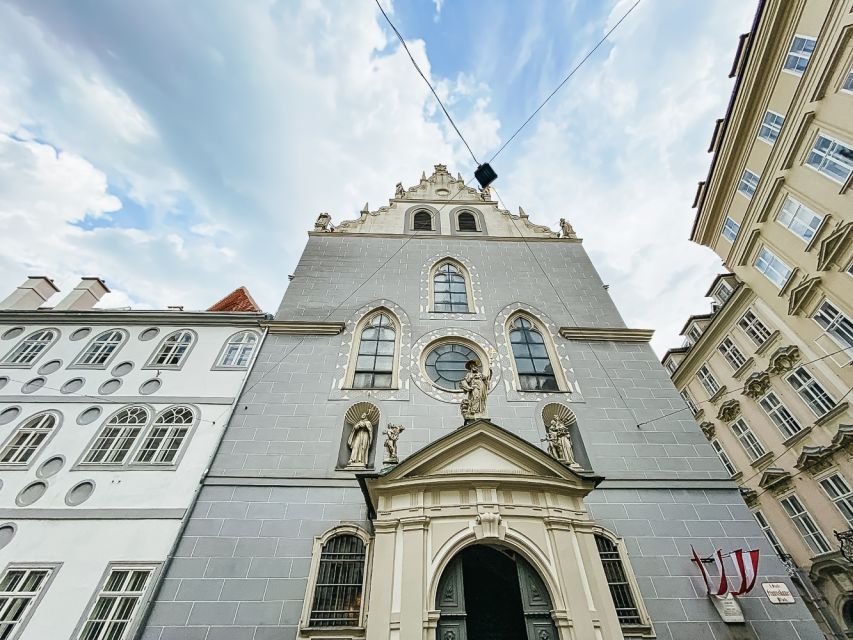
- The Franciscan Church and Monastery, plus Ballgasse
- Mozart’s final residence, plus the cow plays on the board
- Mozart’s final residence, and what the guide corrects
- The house where the cow plays on the board
- Traditional Viennese cuisine context, without turning this into a food tour
- Palais, churches, and the hidden city wall, how all the pieces fit
- Rain, pacing, and small-group comfort
- Price value: why $34 can be a bargain in a good walking-tour format
- Who this Vienna hidden-secrets tour is best for
- Should you book it?
- FAQ
- Where does the tour start and end?
- How long is the Vienna hidden secrets and local stories tour?
- What are the main highlights you will see?
- Is the tour only for people who did Part 1?
- What languages is the tour offered in?
- Is it okay if it rains?
- Can I bring a suitcase or use audio recording?
- Is this tour good for families and kids?
- Is it wheelchair accessible?
Key things that make this Vienna walk worth your time
- Hidden courtyards and legends in the historical center, not just big-ticket sights
- Symbol spotting around St. Stephen’s Cathedral and other landmarks
- Mozart’s final residence, corrected myths, and the real story behind it
- Old lanes like Blutgasse and Domgasse, plus Ballgasse and the Franciscan sites
- Palais Neupauer-Breuner and nearby historic houses, including the Deutsches Haus
- Small-group energy with guides who keep it lively and on track
Why this tour works better than a highlights-only walk
Vienna can fool you. The center looks polished and obvious at first glance, especially around Stephansplatz and the cathedral. Then you start turning down narrower lanes and slipping past courtyards, and the city suddenly feels older, stranger, and more personal.
That is the core idea of this tour: you get both. You pass the big names, but the guide spends more time on the in-between places, the doorways, the courtyards, the house names, and the little clues that add up to a city you can actually understand. The result is not just a list of sights. It is a way of reading Vienna.
And because it is a small group, the experience stays conversational. If you are the kind of traveler who likes to ask what something means, this format helps. In recent runs, guides like Herbert, Dorothy, and Wolfgang have been highlighted for humor, fun quiz-style moments, and strong explanations that keep you moving and paying attention.
More Walking Tours in Vienna
- Vienna: Guided Walking Tour of City Center Highlights
★ 4.7 · 4,989 reviews - Vienna: Vienna Central Cemetery Guided Walking Tour
★ 4.8 · 3,307 reviews - Vienna: Guided Walking Tour of City Highlights & Hidden Gems
★ 4.9 · 2,180 reviews
The 2-hour route, from Stephansplatz to the old university quarter
This is a city-center walking tour with a tight loop. It is designed for two hours of steady strolling, plus storytelling that does not feel like a lecture. The tour includes two starting location options and ends at one of two drop-off points in the same area (Dr.-Karl-Lueger-Platz 3, 1010 Wien).
Starting near a Bankomat, then right into the action
Your meeting point can vary depending on the option you book. In practice, you will meet at one of the listed Bankomat locations. If you are using public transport, build in a few extra minutes so you arrive before the group starts walking.
This matters because the tour moves quickly through the early bits, using the first stretch to orient you. You will understand how the route connects the major sites to the quieter back streets, and that makes the rest of the walk easier to follow.
St. Stephen’s Cathedral and Stephansplatz, but with real-world context
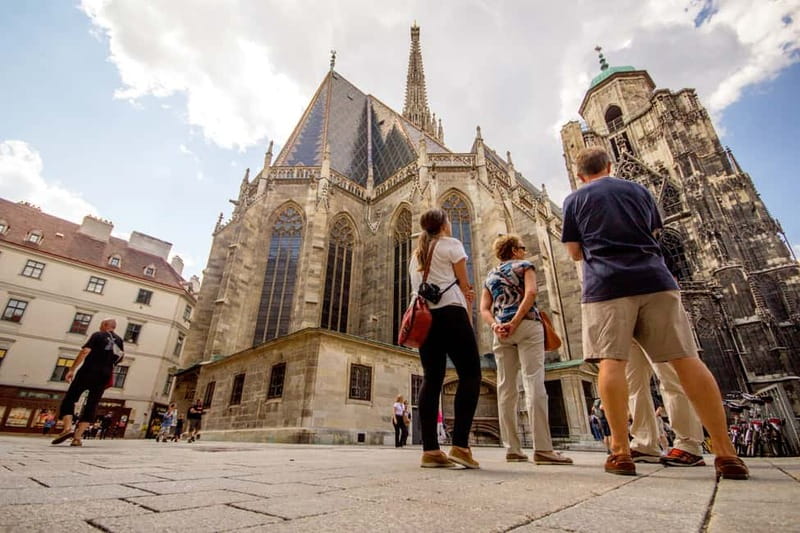
The big visual moment is St. Stephen’s Cathedral, starting at the Stephansplatz area. Most free time you spend here will be you taking photos and trying to figure out what you are looking at.
On this tour, the guide pushes past the obvious. You are guided through the cathedral area with attention to meaning: symbols, design choices, and the kind of history that helps you connect the building to how Vienna thought and acted. You also get traditional context on the surrounding area, which is useful because the cathedral is not an isolated landmark. It is part of the city’s daily rhythm.
If you are picky about tours that feel too generic, this is where the guide style shows. People have praised the way the explanations help them notice what they would have missed, and that is a big reason the tour earns such a high overall rating.
Still the same country, a very different afternoon:
- Vienna: Vivaldi’s Four Seasons Concert in Karlskirche
★ 4.7 · 14,951 reviews - Vienna: Spanish Riding School Training
★ 3.9 · 9,281 reviews - Vienna: Skip-the-cashier-desk-line Giant Ferris Wheel Ride
★ 4.5 · 7,859 reviews - Vienna: Schönbrunn Palace & Gardens Skip-the-Line Tour
★ 4.7 · 7,739 reviews
Courtyards and hidden center paths, where legends live
After the cathedral zone, the tour shifts into the historical center’s quieter spaces. This is the part that makes the tour feel distinctly different from the standard Vienna checklist.
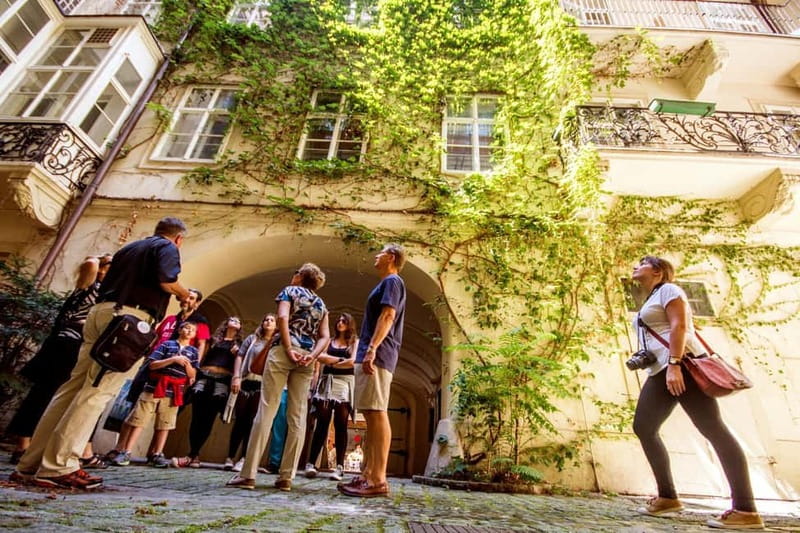
You explore the lesser-known streets with stories tied to courtyards and legends. Courtyards in Vienna can look like nothing at first, just a passage and a gate. But with a guide, they become little time capsules. You start to understand why some areas feel private, why certain buildings have the reputations they do, and how everyday spaces shaped the city’s social life.
If you like walking tours that teach you how to read a city, you will enjoy this segment a lot.
Palais Neupauer-Breuner and the Deutsches Haus, Vienna’s refined street level
The tour also includes Palais Neupauer-Breuner, plus sights around the Deutsches Haus. This is not just a photo stop. Expect the guide to connect the architecture to who lived, worked, and built influence in this part of town.
These palaces and historic houses are where Vienna feels like it is wearing its best outfit. They can also be tricky to interpret on your own, because the street level can hide the real scale behind gates, courtyards, and façades. A good guide helps you see it as a system, not random impressive buildings.
Blutgasse and Domgasse, narrow lanes with big stories
One of the more fun parts is the walk along Blutgasse and Domgasse. The names alone make you curious, and the tour uses that curiosity well.
You are guided through these lanes as part of the story of how the old city functioned. The point is not just that the streets are old. The point is that the old street pattern shaped what people could do, where they gathered, and how Vienna developed its character over time.
If you want the tour to feel like you are actually walking through history, this is one of the zones that delivers.
University of Vienna and the old university district
Next comes the University of Vienna and the old university quarter. This changes the vibe. Instead of palaces and churches, you shift into an academic atmosphere, where ideas moved fast and Vienna’s intellectual side gets attention.
The guide connects the university zone to surrounding history, including religious landmarks you will see nearby. Even if you have no special interest in universities, this is a helpful counterweight to the church-and-palace focus that dominates many Vienna tours.
Jesuit Church and the old city wall, for the city’s structure
The tour includes stops tied to the Jesuit Church and the old city wall area. This is one of those pieces of Vienna that is easy to walk past without understanding what it means.
When you know why the city wall mattered, everything around it starts to read differently. It is not just a historic remnant, it is an explanation of how Vienna grew and how boundaries shaped the movement of people and ideas.
The Franciscan Church and Monastery, plus Ballgasse
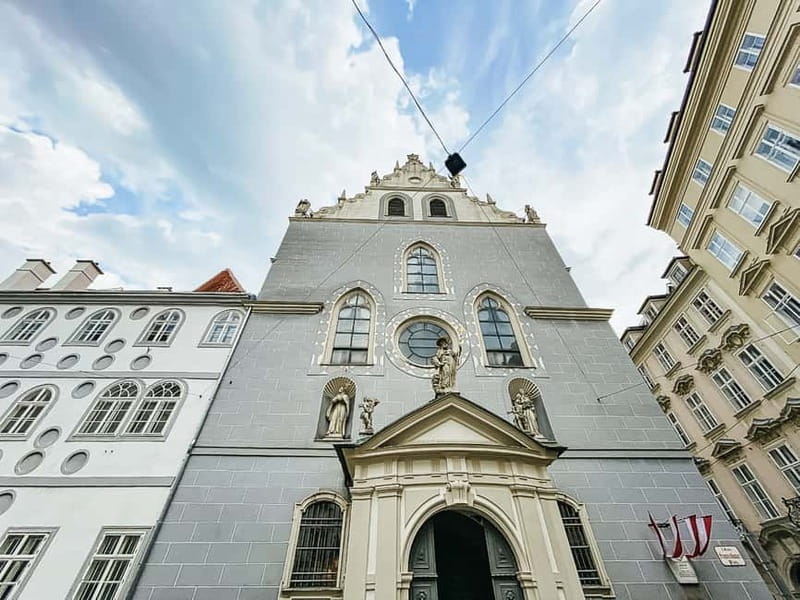
You also see the Franciscan Church and Monastery. Expect the guide to highlight what makes these Franciscan sites feel distinct in the city’s religious landscape.
And you will visit Ballgasse, another street stop that fits the tour’s overall rhythm: major sites mixed with street-level detail. This keeps your attention from drifting, because the tour keeps changing the type of visual and story you are taking in.
Mozart’s final residence, plus the cow plays on the board
Two highlights are designed to pull you out of the usual Vienna museum feeling.
Mozart’s final residence, and what the guide corrects
One part of the tour focuses on Mozart’s final residence and the truth of his last chapter. If you have already skimmed a few Mozart facts online, you may still find gaps. A good guide here matters because Vienna has plenty of story fragments, and not all of them are consistent.
On this walk, you learn the version that ties together place, timeline, and the way people talk about the composer. The emphasis is practical: you leave with a clearer mental picture, so when you later look at a Mozart-related plaque or street claim, you can evaluate it.
The house where the cow plays on the board
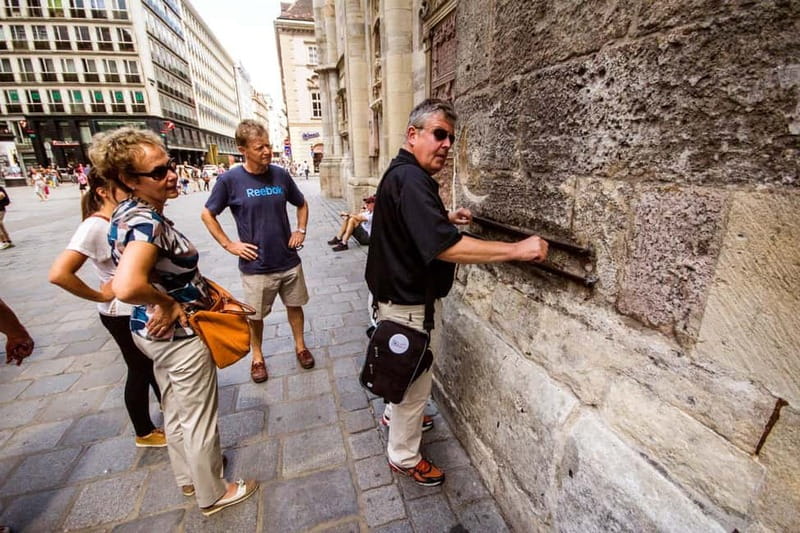
You also stop at the house called the Where the cow plays on the board building. This is the kind of Vienna detail that sounds like a joke until you realize it reflects how the city tagged buildings, identities, and local memory.
Even if you do not care about legends, this kind of stop is a great way to make Vienna feel playful. It also gives your guide a chance to explain how you can spot the meaning behind quirky labels.
If you enjoy tours where the city feels human, not just monumental, this is a highlight worth showing up for.
Traditional Viennese cuisine context, without turning this into a food tour
You are also introduced to traditional Viennese cuisine during the walk. The important part is scale and pacing. This is not a long restaurant meal segment.
Instead, cuisine appears as context for daily life and culture around the landmarks. That is a smart use of time on a walking tour because it helps you connect what you see to what people ate and how they lived, especially in central Vienna where history and everyday habits are layered on top of each other.
Palais, churches, and the hidden city wall, how all the pieces fit
If you try to do Vienna alone, you often end up with separate lists:
cathedral list
palace list
church list
Mozart list
This tour is designed to connect them. The cathedral and religious sites anchor the city’s public identity. The university and Jesuit Church tie you into Vienna’s intellectual and institutional side. The palaces and historic houses show how power and wealth shaped the street scene. Then the courtyards and narrow lanes add the personal, lived-in feel.
That is why the experience tends to land well with first-time visitors, and also why it works for people who have been to Vienna before. You are not just revisiting the same big sights. You are filling in the gaps that make those sights more than photo backdrops.
Rain, pacing, and small-group comfort
The tour runs in all weather conditions, so you should come prepared. This matters because the experience is built on walking, and the guide’s job is to keep the story flowing even when the sky changes.
In one of the guide experiences shared for this tour, the guide knew where to take shelter during downpours and kept the flow going. That is exactly what you want from a small-group walking tour: not panic, not rushing, just smart adjustments.
Also, luggage and large bags are not allowed. Audio recording is also not allowed. If you travel with a big suitcase, plan for a lighter approach or use storage outside the tour area.
Finally, there are strict fit rules. This tour is not suitable for wheelchair users and people with mobility impairments, and it is not for children under 12. If that applies to your group, you should look for a more accessible option.
Price value: why $34 can be a bargain in a good walking-tour format
At $34 per person for a 2-hour walk, the price is in line with many guided city experiences. The value comes from the combination of:
A certified tourist guide
Native speaker guidance (as listed)
Insider recommendations by a local Viennese
And a route that mixes major landmarks with truly local street-level stops
You are not paying just for entry points. You are paying for interpretation, direction, and the kind of story that changes how you see the city. The strongest praise for this tour centers on exactly that, guides who correct mistakes and explain symbols and meanings, plus humor and engagement that keeps the pace enjoyable.
If you are visiting Vienna for a short time, this tour also gives you a fast starting framework. Two hours is enough time to train your eyes for what to notice on your later self-guided walks.
Who this Vienna hidden-secrets tour is best for
This tour is a strong match for:
First-time visitors who want more than a sightseeing checklist
People who like storytelling tied to real places, courtyards, and street names
Travelers who enjoy architecture and small details, especially around St. Stephen’s Cathedral and historic palaces
Couples and small groups who prefer guided walking over big group bus tours
It is not a match for:
Families with children under 12
Anyone who needs wheelchair access
Travelers carrying luggage or large bags
Should you book it?
Yes, if you want Vienna to feel personal quickly. This tour is built around the kind of details that make the city click, especially the combination of cathedral context, Mozart’s final residence with corrected myths, and the street-level lanes like Blutgasse. The consistent praise for guides like Herbert, Dorothy, and Wolfgang for humor, engagement, and clear corrections is a good sign that you will not get a dry script.
If you are mainly after a slow, sit-down sightseeing experience, or if accessibility constraints apply, you may want to skip this one.
FAQ
Where does the tour start and end?
The meeting point can vary depending on the option you book, with two starting location options listed at Bankomat. The tour ends at one of two drop-off locations at Dr.-Karl-Lueger-Platz 3, 1010 Wien, Österreich.
How long is the Vienna hidden secrets and local stories tour?
The tour lasts 2 hours.
What are the main highlights you will see?
You will see St. Stephen’s Cathedral and Stephansplatz, Mozart’s final residence, Ballgasse, the Franciscan Church and Monastery, Palais Neupauer-Breuner, the Deutsches Haus, and walk areas including Blutgasse and Domgasse. The tour also includes parts of the University of Vienna area, the Jesuit Church, and the old city wall.
Is the tour only for people who did Part 1?
No. The tour continues from Part 1 by the same operator, but it is not a problem if you did not take Part 1.
What languages is the tour offered in?
The live tour guide offers German and English.
Is it okay if it rains?
Yes. This tour runs in all weather conditions.
Can I bring a suitcase or use audio recording?
No. Luggage or large bags are not allowed, and audio recording is not allowed.
Is this tour good for families and kids?
It is not suitable for children under 12.
Is it wheelchair accessible?
No. It is not suitable for people with mobility impairments or wheelchair users.
Fresh on the site in Vienna
- World War II History Vienna Old Town Private Walking Tour★ 4.8 · 9 reviews
- Vienna/Bratislava: Traunkirchen, Hallstatt & Salzburg Tour★ 4.8 · 53 reviews
- Vienna: Winery and Wine Tasting Tour with a Wine Expert★ 5.0 · 5 reviews
- Vienna: Wine Tasting Tour★ 4.8 · 61 reviews
- Vienna/Bratislava: Day Trip to Hallstatt & Salzburg★ 4.8 · 21 reviews
- Vienna: Wiener Schnitzel and Strudel Cooking Class★ 4.9 · 126 reviews
- Vienna: Waltz into the Ball Season★ 4.7 · 3 reviews
- Vienna: Wine Tasting E-Bike Tour★ 4.9 · 46 reviews
Walking Tours, compared.
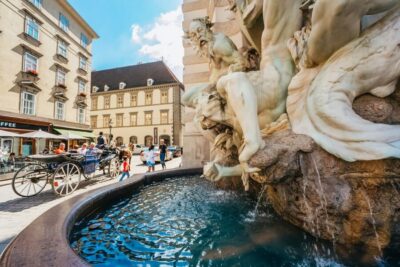
Guided Walking Tour of City Center Highlights
Read our review →
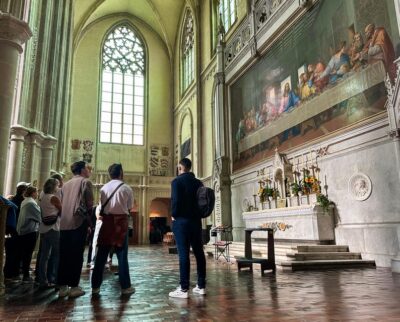
Guided Walking Tour of City Highlights & Hidden Gems
Read our review →
Vienna Historic Center Small Group Walking Tour
Read our review →
Browse the lists this tour appears in