
REVIEW · WALKING TOURS
Vienna: Meet Beethoven Life Private Guided Walking Tour
Beethoven is easier to hear in Vienna. This private guided walking tour connects major city landmarks to Ludwig van Beethoven’s life, with a strong centerpiece at the Beethoven Pasqualatihaus. You’ll walk at a real human pace, guided through the places where ideas, music, and Vienna’s political and cultural muscle mixed together.
I especially like the way the route balances big-photo stops, like the Wiener Staatsoper and Ringstrasse architecture, with quieter pauses such as Volksgarten. One thing to plan for is that not every building is ticketed in the price, so if you want lots of timed museum entrances, you’ll need to accept some stops are outside or have optional extras.
In This Review
- Key things that make this tour worth your time
- Why a Beethoven-first walk makes sense in Vienna
- Price and logistics: what you pay for and how the day flows
- Stop by stop: from the Secession dome to Beethoven Pasqualatihaus
- Secession Building (Secessionsgebaude)
- Historic Center of Vienna
- Beethoven Statue at Beethovenplatz
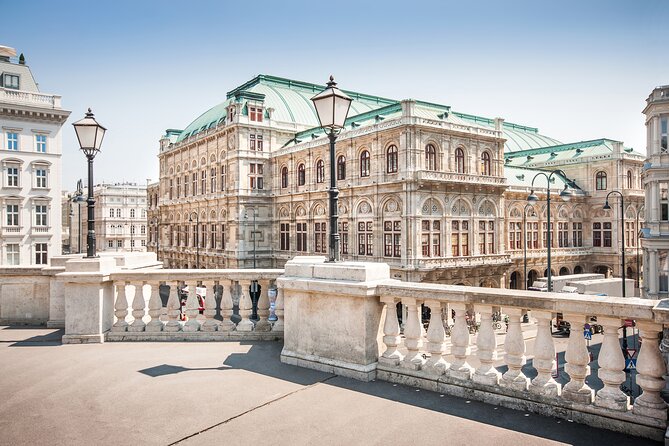
- Wiener Staatsoper
- Albertina (exterior view)
- Theatermuseum
- Hofburg Palace (outside)
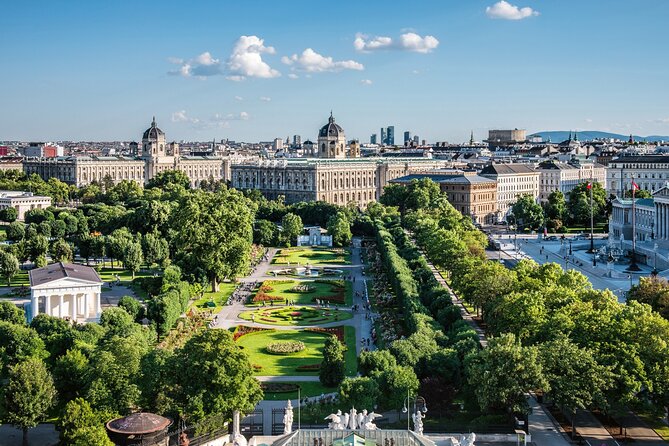
- Volksgarten
- Burgtheater (exterior)
- Rathaus
- Ringstrasse walk segment
- Beethoven Pasqualatihaus (ticket included)
- Optional add-ons: Stephansplatz, St. Stephen’s Cathedral, Karlsplatz, Karlskirche
- The concert upgrade: turning history into a night out
- Who this tour is best for
- Practical tips for a smooth walking day in Vienna
- Should you book this Vienna Beethoven private walking tour?
- FAQ
- How long is the Vienna Meet Beethoven Life Private Guided Walking Tour?
- Is this tour private?
- What’s included in the price?
- Is the classical concert ticket included by default?
- Do I need extra tickets for every stop?
- What language is the tour offered in?
- Where does the tour start and end?
- Can the guide add stops like Stephansplatz or St. Stephen’s Cathedral?
- What is the cancellation policy?
Key things that make this tour worth your time
- Beethoven Pasqualatihaus is included, with time inside to see artifacts tied to his music and working life
- Concert upgrade turns the walk into an evening (concert tickets for Beethoven, Mozart, Strauss, or Schubert)
- Golden-domed Secession Building stop, with optional inside entry if you want it
- Ringstrasse landmarks in one flow, from Opera-area to Rathaus and beyond
- Guide-led personalization, including matching the depth for a Beethoven superfan or a first-timer
- Mostly Old Town walking, so you see the city at street level, not through bus windows
Why a Beethoven-first walk makes sense in Vienna
Vienna can be a lot. Big buildings everywhere, statues at every corner, and just enough history to make your brain do paperwork. What I like about this style of tour is that it gives you a thread, Beethoven’s life, and uses that thread to organize what you see.
You start with a graphic art-and-architecture moment at the Secession Building, then shift into the Historic Center and Ringstrasse zone where the city flexes its 19th-century identity. Along the way, you also hit places that feel musical even when they are just stone exteriors, like the square with the Beethoven statue and major performance venues such as the Wiener Staatsoper.
The real win is that the tour doesn’t treat Beethoven like a remote museum figure. It places him in Vienna’s physical geography, from public squares to rehearsal-and-premiere spaces, and then lands at the one address that matters most for “how did he live and work here?” questions.
More Walking Tours in Vienna
- Vienna: Guided Walking Tour of City Center Highlights
★ 4.7 · 4,989 reviews - Vienna: Vienna Central Cemetery Guided Walking Tour
★ 4.8 · 3,307 reviews - Vienna: Guided Walking Tour of City Highlights & Hidden Gems
★ 4.9 · 2,180 reviews
Price and logistics: what you pay for and how the day flows
At $264.50 per person for a private experience, this is not a budget “grab a ticket and stroll” situation. You’re paying for a licensed guide, a tight Beethoven theme, and time at the one ticketed location that anchors the whole story: the Beethoven Pasqualatihaus.
The tour runs about 3 to 5 hours. That range matters. In practice, a half-day in Vienna Old Town can feel like a lot or a little depending on how many times you stop for photos and how long you linger at each explanation. This format gives you enough structure that you don’t wander, but it’s still walking-first, so you’ll stay engaged rather than stuck listening while sitting in a coach.
You’ll also want to know the tour ends back at the meeting point at Friedrichstraße 12, 1010 Wien. That’s handy because you’re not figuring out a complicated last-mile puzzle after a few hours on your feet. And since it’s offered in English with a mobile ticket, it’s designed to be smooth on arrival.
If you choose the extended option, add an evening concert. Concerts in Vienna Old Town typically start between 5:30 and 8 pm, so plan your day with the understanding that your walking portion isn’t the final event. The exact time comes on your concert ticket attached by email, so check that message the day before.
Stop by stop: from the Secession dome to Beethoven Pasqualatihaus
Here’s how the walk is paced, and what each stop is doing for the overall story.
Secession Building (Secessionsgebaude)
You meet your guide at Friedrichstraße 12, then head to the Secession Building. The building’s golden dome and crisp white look are hard to forget, and this stop is used to connect Vienna’s visual identity to Beethoven-related context you’ll hear from your guide. The dome is striking even if you just stand outside and take it in, and an inside ticket is optional if you want to go further.
Consideration: inside entry is not included, so if you want that additional museum-style experience, budget extra time and cost.
Still the same country, a very different afternoon:
- Vienna: Vivaldi’s Four Seasons Concert in Karlskirche
★ 4.7 · 14,951 reviews - Vienna: Spanish Riding School Training
★ 3.9 · 9,281 reviews - Vienna: Skip-the-cashier-desk-line Giant Ferris Wheel Ride
★ 4.5 · 7,859 reviews - Vienna: Schönbrunn Palace & Gardens Skip-the-Line Tour
★ 4.7 · 7,739 reviews
Historic Center of Vienna
Next comes a broader orientation sweep through the Historic Center. This part matters because it turns your Beethoven walk into a Vienna walk. You’ll see big contrasts in architecture, including Baroque castles and gardens, then the late-19th-century grandeur of Ringstrasse with its grand buildings, monuments, and parks.
This is where your guide’s job becomes obvious. Without context, Beethoven in Vienna can feel like trivia on a map. With this pacing, you start to understand why Vienna’s cultural machine supported what he wrote and how it was received.
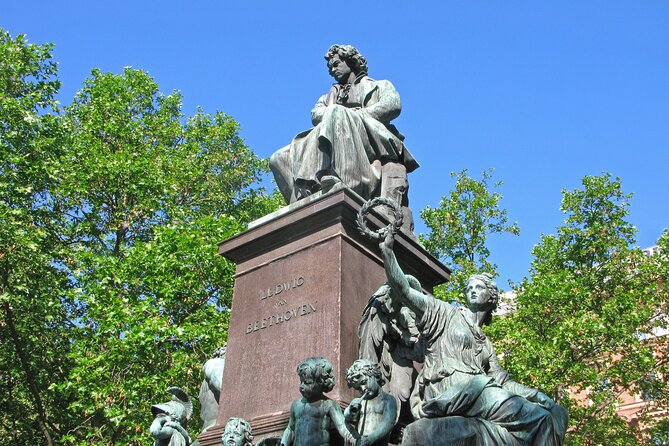
Beethoven Statue at Beethovenplatz
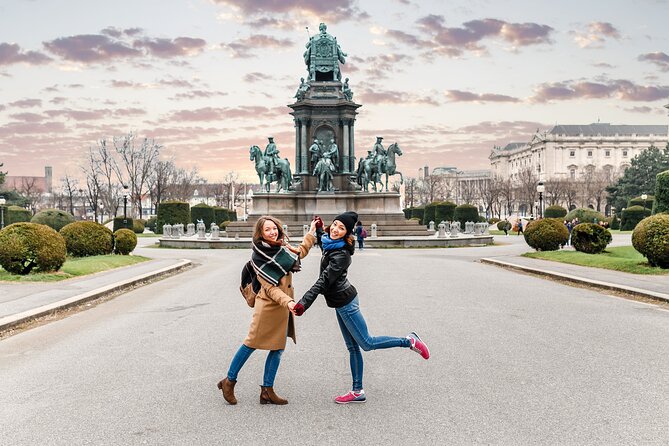
Then you hit the bronze Beethoven statue in his own public square, Beethovenplatz. It’s one of those stops that sounds simple but hits emotionally because it turns a composer into a nearby presence. Think of it as your “okay, we’re here for real” moment.
If you’re the kind of traveler who likes photo stops that feel like a scene, this one usually delivers.
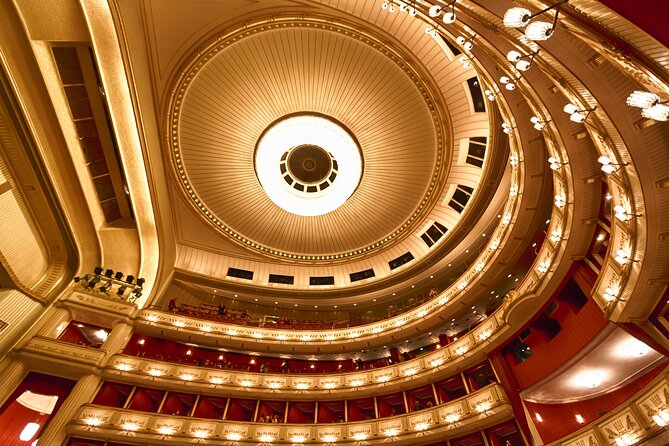
Wiener Staatsoper
From there, you move toward the Wiener Staatsoper area. Even if you don’t go inside, the setting reminds you why Vienna became synonymous with classical music culture. The guide will connect this performance world back to the musicians and musical life that shaped Beethoven’s era.
Tip: if you’re a concert person, treat this like a warm-up. You’re looking at the performance ecosystem around Beethoven, not just one address from the past.
Albertina (exterior view)
Next is Albertina, known for major art collections. The building and rooftop sculpture are worth a quick look, and the guide can tie the broader artistic landscape back into the same Vienna story of music and visual culture. Albertina houses works connected to artists like Da Vinci, Raphael, Michelangelo, Dürer, and Rembrandt, so even standing outside gives you a sense of why Vienna was a magnet for great names.
Theatermuseum
The tour then points you toward the Theatermuseum building, including a specific Beethoven detail: it’s the place connected with Beethoven conducting a private Viennese premiere of his Third Symphony, Eroica. That kind of specificity is what makes architecture feel alive. You’re not just seeing an old building, you’re hearing what happened in it.
Note: admission to step inside here is not included, so you’re experiencing the location through guidance and exterior context.
Hofburg Palace (outside)
At the Hofburg, you see the palace from the outside. This stop reinforces scale and power. Even without entering, the size and architecture tell you Vienna was built to project authority and continuity.
The tour keeps this as outside-only on purpose, so you can keep moving without turning your day into a queue marathon.
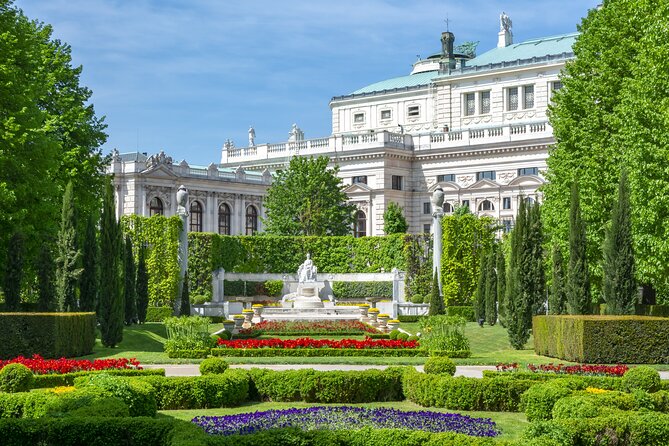
Volksgarten
Then a welcome shift to something calmer: Volksgarten. This is a quiet park stop in a rose-and-green setting, perfect for catching your breath. If you’ve been looking at buildings for an hour, this is where your brain stops working so hard and starts absorbing Vienna as a lived place rather than a postcard.
This is a good photo break if the light is kind and you want less “stone exterior” and more “Vienna street life.”
Burgtheater (exterior)
You’ll then see Burgtheater and its detailed exterior on the Ringstrasse. This stop keeps the Ringstrasse feeling going. It’s civic architecture, the kind that says this city didn’t just love art, it institutionalized it.
Rathaus
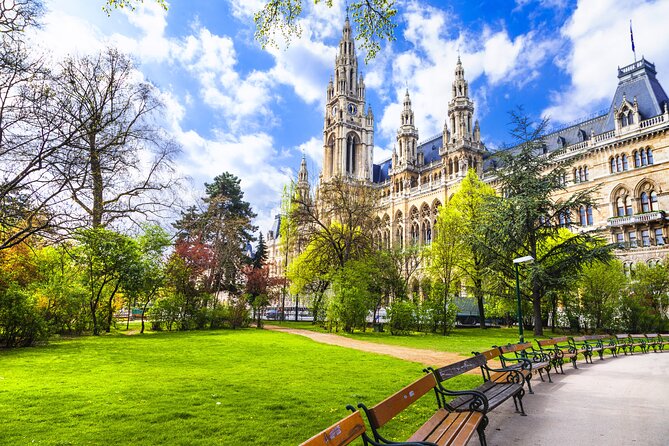
The Rathaus is a must in Vienna for sheer visual drama, and it comes with an impressive factual hook in the tour: it was built using some 30 million bricks. That number is the kind of detail your guide can use to turn big buildings into something you can actually picture.
In this area, you’re also near other major landmarks, including the Austrian Parliament Building and the University of Vienna.
Ringstrasse walk segment
Next is a stretch along Ringstrasse, framed as the road that helps Vienna “stay alive” from the Opera area through to Rathaus. Even if you’re not reading every stone carving, you get the rhythm of how Vienna lays out culture and power in one long corridor.
This is also a nice moment for your guide to pull together earlier points about performance culture, architecture, and Beethoven’s place in it all.
Beethoven Pasqualatihaus (ticket included)
Now you reach the real anchor: Beethoven Pasqualatihaus. You spend about 2 hours here, and the entrance is included. This isn’t just a photo stop. You’re walking through an authentic residence tied to Beethoven’s life, including access to a collection with his notes, a piano, photos, and paintings.
This is also where the tour’s Beethoven storytelling gets practical. The guide will connect the stories behind well-known works like Fur Elise and Fidelio to what you see in the house and the way Beethoven worked and lived.
Why this matters: after all the exterior stops, this is where you get evidence of everyday creative life. The city becomes less of a stage set and more like a workspace with rooms and objects.
Optional add-ons: Stephansplatz, St. Stephen’s Cathedral, Karlsplatz, Karlskirche
The tour theme stays Beethoven-focused, but you can often ask for a couple of classic Vienna stops near the end. The guide can adapt the route to include:
- Stephansplatz (mix of architectural styles, a place to hang out and watch the city)
- St. Stephen’s Cathedral (Austria’s prominent national symbol, one of the highest cathedrals in Europe)
- Karlsplatz (quick visit on request)
- Karlskirche (on request, with interior admission not included)
These add-ons are worth considering if you want the iconic Vienna silhouette without losing the Beethoven thread. If your priority is music history over postcard sites, you can also skip them and keep the pace more relaxed.
The concert upgrade: turning history into a night out
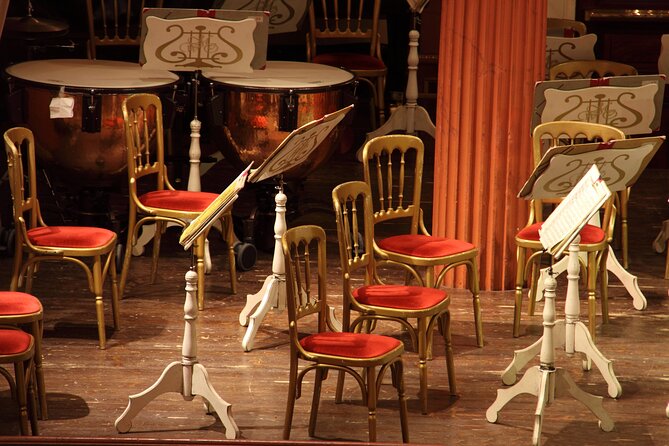
If you pick the extended option, you’re not just learning about Beethoven’s world. You’re spending time inside a contemporary version of Vienna’s performance culture.
The concert ticket included can be for Beethoven, Mozart, Strauss, or Schubert. That lineup is very Vienna. And timing is important. Concerts usually start between 5:30 and 8 pm, and you’ll have the exact start time printed on your concert ticket sent by email.
Practical mindset: treat this evening ticket as a separate event from your walk. Don’t schedule anything tight afterward. Plan to arrive early enough that you can settle in without stress, especially if you’re navigating from wherever you end up in the Old Town.
Who this tour is best for
This fits best if you want a private experience with strong guidance and a music-and-place theme.
It’s especially good for:
- Beethoven fans who want Vienna’s landmarks tied to specific aspects of his life and work
- Families or couples who like a structured walk but still want flexibility
- Travelers who appreciate architecture but get bored with “standing in front of a plaque for 30 seconds”
- People who might not know much about Beethoven yet, because the guide’s job is to connect the dots in plain language
One more match point from guide style: some tours can be paced and explained so that a Beethoven connoisseur and a less-technical companion can both feel included. You’ll still hear the story, but the explanation level can shift with your group.
Practical tips for a smooth walking day in Vienna
A few things will make this easier from start to finish.
- Check your email the day before for important information and, if you booked the concert, the exact concert time on your ticket.
- Expect a lot of exterior viewing. Several stops are marked as not including admission tickets, like Theatermuseum, Hofburg, and Burgtheater. You’ll still get value, but you should mentally frame them as guided viewing stops.
- If you care about inside stops, remember that Secession inside entry is optional and not included. Theatermuseum also lists ticketing as not included.
- Wear shoes you can walk in for hours. Vienna Old Town is charming, but it is still walking, turning, and standing for photos.
If you’re the kind of person who likes to plan every museum minute, this tour may feel slightly less “hardcore museum” than you expect. If you want the city explained through real locations, it’s a strong match.
Should you book this Vienna Beethoven private walking tour?
I think you should book if you want Beethoven in a place-based way, with a guided story that connects famous landmarks to the composer’s life, and you value having the Beethoven Pasqualatihaus ticket included. The price is on the higher side, but you’re paying for a licensed guide, several major landmarks, and that two-hour Pasqualatihaus centerpiece.
You might skip it or adjust expectations if your top goal is maximum indoor museum time across many sites. This walk includes plenty of meaningful exterior stops, and some optional or non-included entries can add cost if you decide you want to go inside.
If you’re planning an evening anyway, the concert upgrade is a logical add-on, because it turns a learning day into a Vienna music night.
FAQ
How long is the Vienna Meet Beethoven Life Private Guided Walking Tour?
The tour is listed as 3 to 5 hours approximately, depending on the flow of the walk and any optional stops.
Is this tour private?
Yes. It is a private tour/activity, and only your group participates.
What’s included in the price?
Included features are a private walking tour in Vienna led by a licensed guide, sightseeing of places related with Beethoven, entrance ticket to the Beethoven Pasqualatihaus, and a ticket for a classical music concert in the extended option.
Is the classical concert ticket included by default?
A concert ticket is included only in the extended option. The tour notes that concert attendance is an evening add-on and starts usually between 5:30-8 pm.
Do I need extra tickets for every stop?
No. Some stops note admission is not included, and Secession inside is optional (4.5 to 9.5 EUR). Beethoven Pasqualatihaus entry is included, and other stops are typically viewed as part of the guided walk.
What language is the tour offered in?
The tour is offered in English.
Where does the tour start and end?
The tour starts at Friedrichstraße 12, 1010 Wien, Austria, and it ends back at the same meeting point.
Can the guide add stops like Stephansplatz or St. Stephen’s Cathedral?
Yes. The tour can adapt to your needs, and the guide can take you to attractions on request, including Stephansplatz, St. Stephen’s Cathedral, Karlsplatz, and Karlskirche.
What is the cancellation policy?
Free cancellation is available up to 24 hours in advance for a full refund. Canceling less than 24 hours before the start time is not refunded.
Fresh on the site in Vienna
- World War II History Vienna Old Town Private Walking Tour★ 4.8 · 9 reviews
- Vienna/Bratislava: Traunkirchen, Hallstatt & Salzburg Tour★ 4.8 · 53 reviews
- Vienna: Winery and Wine Tasting Tour with a Wine Expert★ 5.0 · 5 reviews
- Vienna: Wine Tasting Tour★ 4.8 · 61 reviews
- Vienna/Bratislava: Day Trip to Hallstatt & Salzburg★ 4.8 · 21 reviews
- Vienna: Wiener Schnitzel and Strudel Cooking Class★ 4.9 · 126 reviews
- Vienna: Waltz into the Ball Season★ 4.7 · 3 reviews
- Vienna: Wine Tasting E-Bike Tour★ 4.9 · 46 reviews
Walking Tours, compared.
Guided Walking Tour of City Center Highlights
Read our review →
Guided Walking Tour of City Highlights & Hidden Gems
Read our review →
Vienna Historic Center Small Group Walking Tour
Read our review →
Browse the lists this tour appears in