REVIEW · TICKETS
Vienna: Tickets to Haus der Musik
Sound turns into play in Vienna.
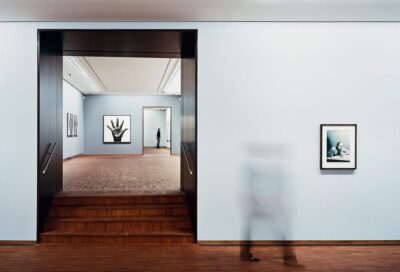
Haus der Musik is a modern, hands-on museum in the heart of the city, set in a former palace connected to the Vienna Philharmonic’s origins. You walk through music history and sound science at the same time, using your eyes, ears, and hands, not just reading plaques.
I especially like the interactive exhibits that make sound feel physical, from instruments to acoustic displays. I also love the Vienna Philharmonic link, including a virtual conducting challenge and an HD showing of the orchestra’s New Year’s Concert.
The one thing to think about: you will want headphones, and this museum is better when you can slow down. If you only give it a quick sprint, you might miss the most fun hands-on moments.
In This Review
- Key highlights I’d plan around
- Haus der Musik, Seilerstätte 30, and why the building matters
- Four floors of Vienna music and sound, not just composer facts
- Conducting, dice waltzes, and the Mozart Namadeus game
- The sound labs: acoustic science you can actually feel
- Vienna Philharmonics New Year’s Concert in HD, and the best use of downtime
- How to sequence your visit so you do not rush the fun parts
- Price and value: is $22 for Haus der Musik a good deal?
- What’s included, what to bring, and the practical stuff that saves time
- Wheelchair accessible, with step-free routes and accessible toilets
- Who should book these tickets
- Should you book Haus der Musik tickets?
- FAQ
- How much are the Vienna Haus der Musik tickets?
- How long is the visit valid for?
- What are the top interactive activities included?
- Do I need headphones?
- What’s included with admission?
- Is food and drink available?
- Is the museum wheelchair accessible?
Key highlights I’d plan around
- Virtual conducting with a Vienna Philharmonic challenge, so you feel like the maestro without needing a rehearsal
- Mozart Namadeus Game, where you hear your own name turned into an original-style Mozart composition
- Compose-your-own waltz with a dice throw, a playful way to understand musical structure
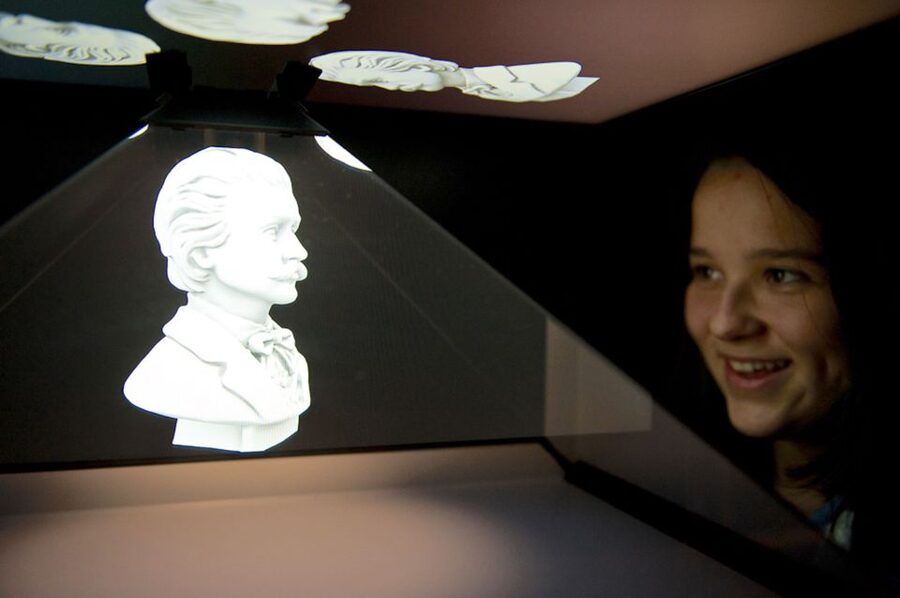
- Hands-on sound science, with interactive displays and instruments that explain how we hear
- HD access to the Vienna Philharmonics New Year’s Concert, great for settling in when you want something passive
- Wiener Klassik composer timeline, built around Haydn, Mozart, Beethoven, Schubert, Strauss, Mahler, and Schönberg
Haus der Musik, Seilerstätte 30, and why the building matters
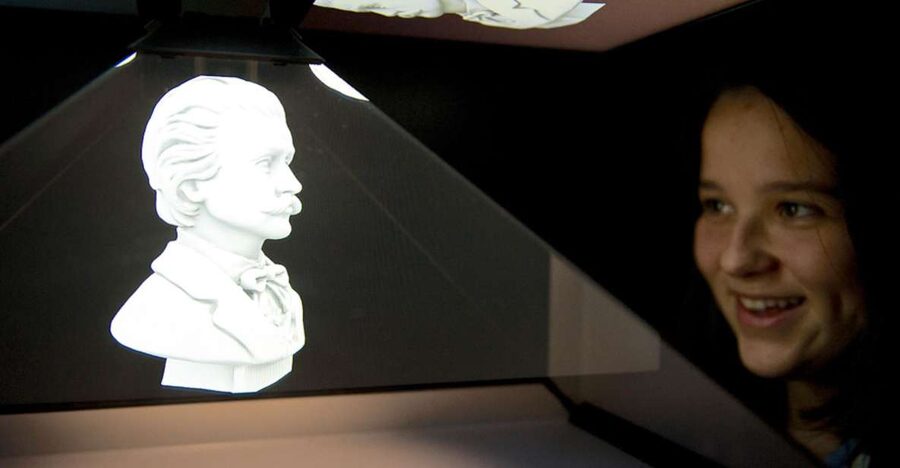
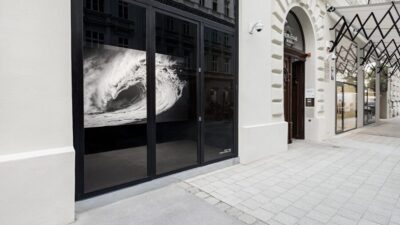
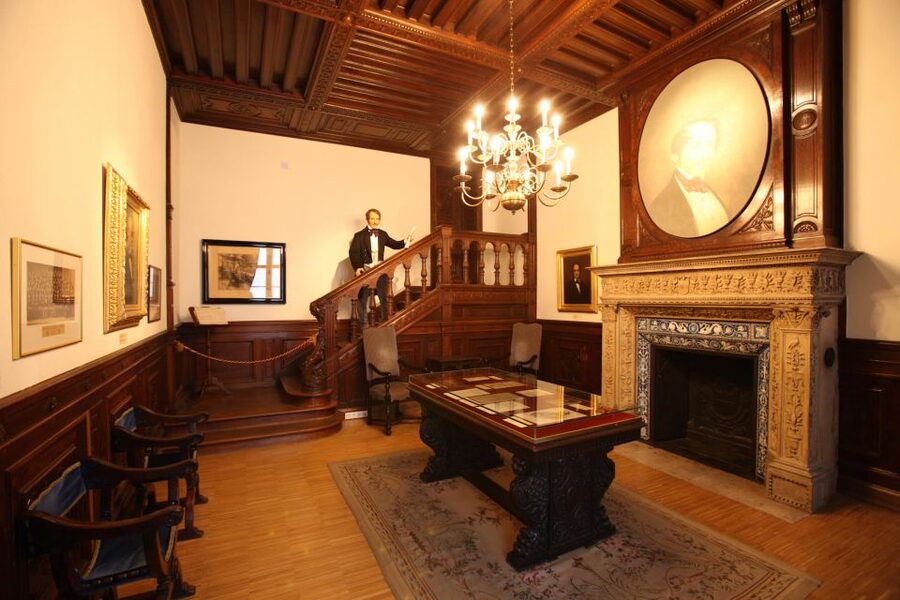
Haus der Musik sits at Seilerstätte 30, 1010 Vienna, a very practical base for museum time in the center. The setting helps you understand what you are seeing. The museum occupies the former Palais of Archduke Charles, and it is tied to Otto Nicolai, the founder of the Vienna Philharmonic Orchestra, who established the orchestra in 1842 while residing there.
That connection gives the visit a useful spine. You are not only learning about composers in the abstract. You are stepping into a place that sits close to one of Vienna’s most important music stories, then carrying that momentum into interactive rooms.
A few more Vienna options worth a side-by-side
- Vienna: Vivaldi’s Four Seasons Concert in Karlskirche
★ 4.7 · 14,951 reviews - Vienna: Spanish Riding School Training
★ 3.9 · 9,281 reviews - Vienna: Skip-the-cashier-desk-line Giant Ferris Wheel Ride
★ 4.5 · 7,859 reviews
Four floors of Vienna music and sound, not just composer facts
This museum is built in layers. You get a time-and-people walk through the world of the great masters, and you also get the science side of sound that explains what’s happening under the music.
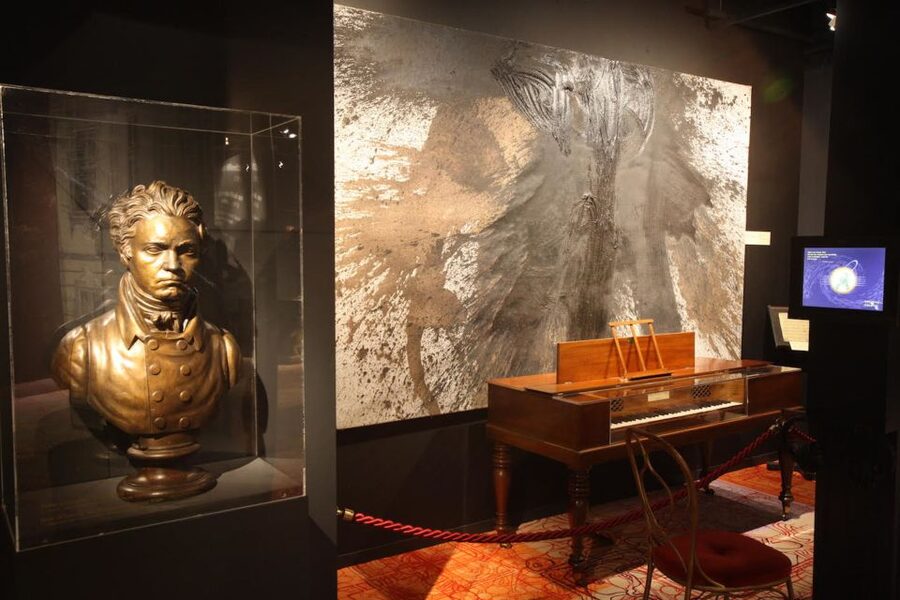
On the history side, you meet the major names of Wiener Klassik and beyond, including Haydn, Mozart, Beethoven, Schubert, Strauss, Mahler, and Schönberg. The museum presents them in a contemporary way using historic documents, models, costumes, modern installations, and personal items.
On the sound-and-music side, the museum shifts from biography to mechanics. You’ll experiment with sound, noises, and instruments, and you’ll see how changing inputs affects what you hear. It is a clever format for a mixed group too, because music fans get context and music skeptics still have something to do.
Temporary exhibitions run in the inner courtyard area, focusing on famous musicians or themes such as Viennese Modernism. That makes the visit feel less like a one-time walk-through, especially if you have a little extra time in Vienna.
Conducting, dice waltzes, and the Mozart Namadeus game
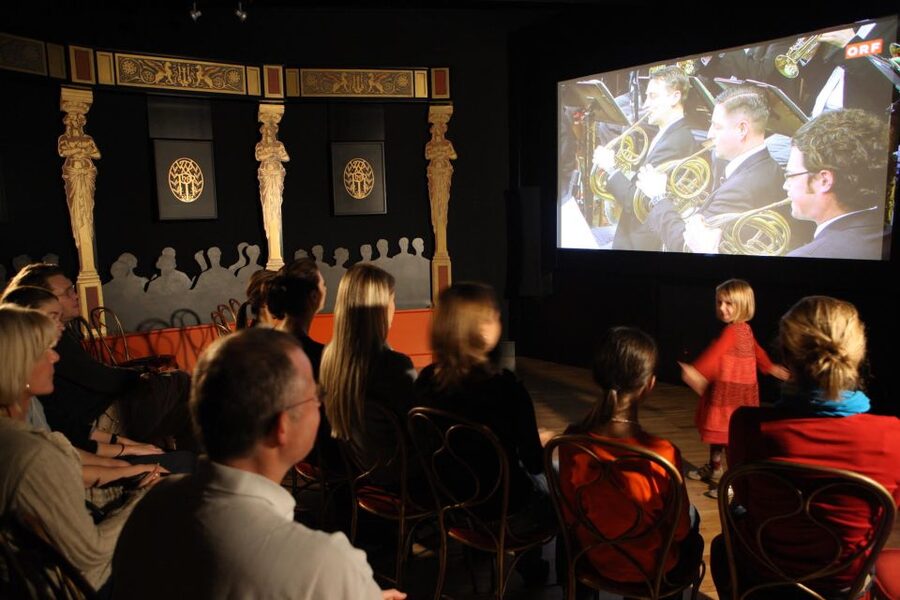
If you want the most “this feels different” moments, center your plan around the interactive challenges.
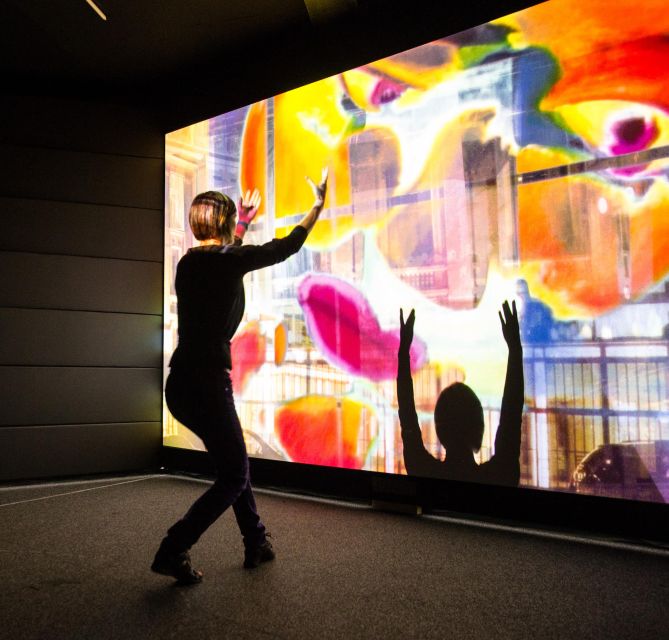
First up, there is the virtual conducting experience. You can test your talent and face the world famous Vienna Philharmonic Orchestra through a conducting setup that reacts to what you do. Even if you have never conducted a day in your life, it’s still fun because it frames your actions as part of performance, not as a quiz.
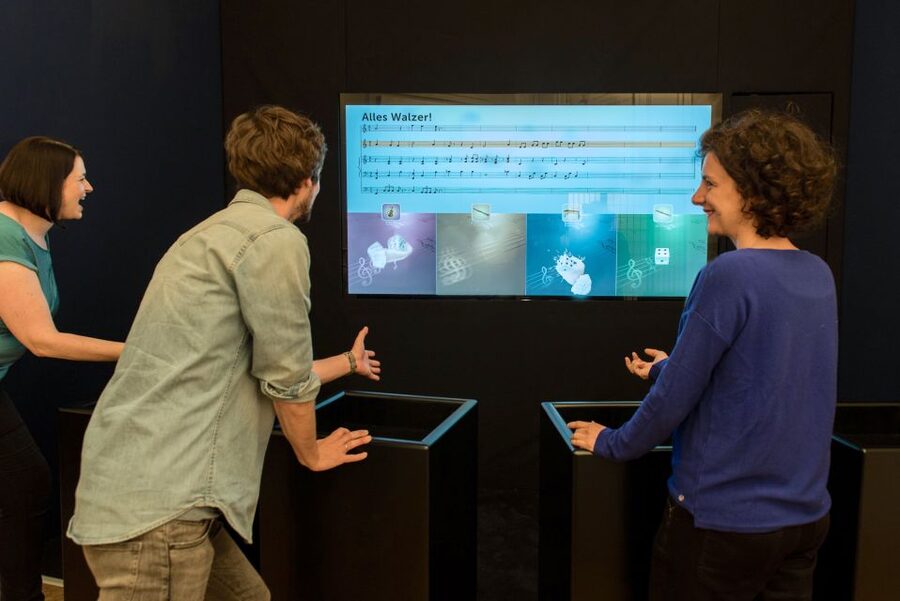
Then comes the dice waltz. You literally compose your own waltz with a throw of the dice. I like this kind of exhibit because it turns composition into a game of choices. You experience rhythm and structure without needing music theory, and you walk away knowing that waltzes are not random, they follow patterns.
The standout for many people is the Namadeus Game. You can hear your name as an original Mozart composition. This is exactly the sort of interactive detail that makes a museum feel personal, especially for families and for anyone who enjoys wordplay and sound.
One more note: the Namadeus certificate is not included. If you care about a printed keepsake, check whether you need to pay extra, because the ticket itself does not bundle that item.
The sound labs: acoustic science you can actually feel
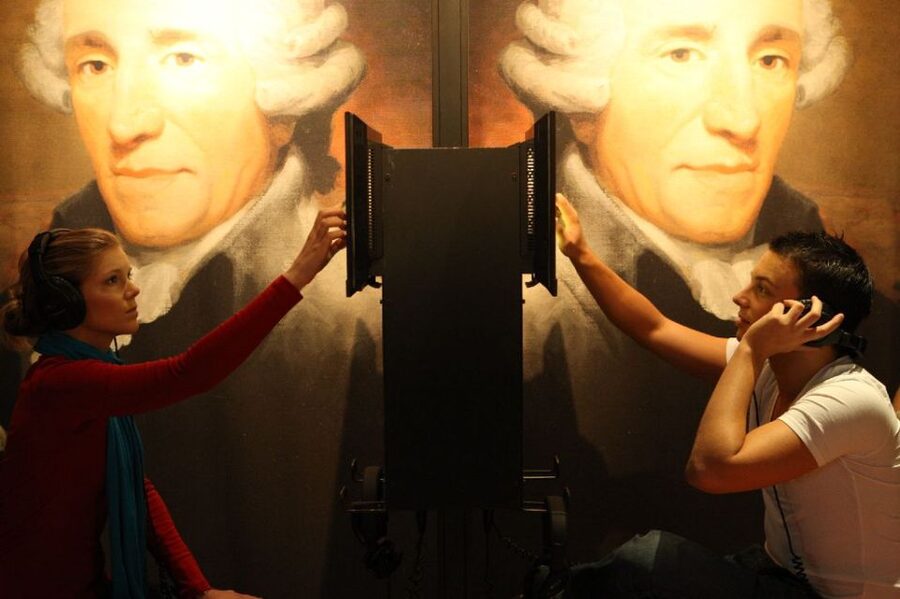
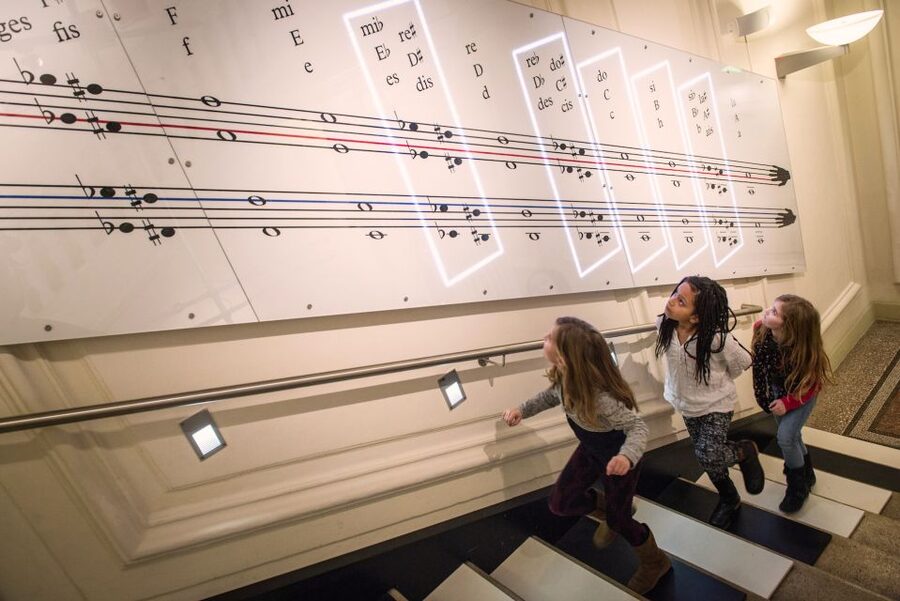
Haus der Musik is one of those rare museums where science doesn’t feel like homework. The acoustic journey is built with interactive displays, sound experiments, and instruments you can experiment with. You are not just reading about vibration and hearing, you are testing how sound behaves.
This matters because sound is invisible. When you only learn it from text, it stays abstract. With hands-on stations, sound becomes something you can trigger, compare, and understand through cause and effect.
What I like for first-time visitors: the museum keeps switching formats. You get a mix of hands-on trials, visual information, and guided audio via smartphone. That pacing helps if you have both adults and kids, or if you are the type who gets bored by long walls of text.
A small practical tip: plan to bring your attention back to your body. When an exhibit is about hearing, sit with it for a moment. Pay attention to what changes when you alter input. That’s where the lessons stick.
Still the same country, a very different afternoon:
- Vienna: Schönbrunn Palace & Gardens Skip-the-Line Tour
★ 4.7 · 7,739 reviews - Vienna: Light of Creation Votive Church Immersive Light Show
★ 4.8 · 6,779 reviews - Vienna Spanish Riding School Guided Tour
★ 4.7 · 6,765 reviews - Vienna: Classical Concert in the World-Famous Musikverein
★ 4.6 · 6,673 reviews
Vienna Philharmonics New Year’s Concert in HD, and the best use of downtime
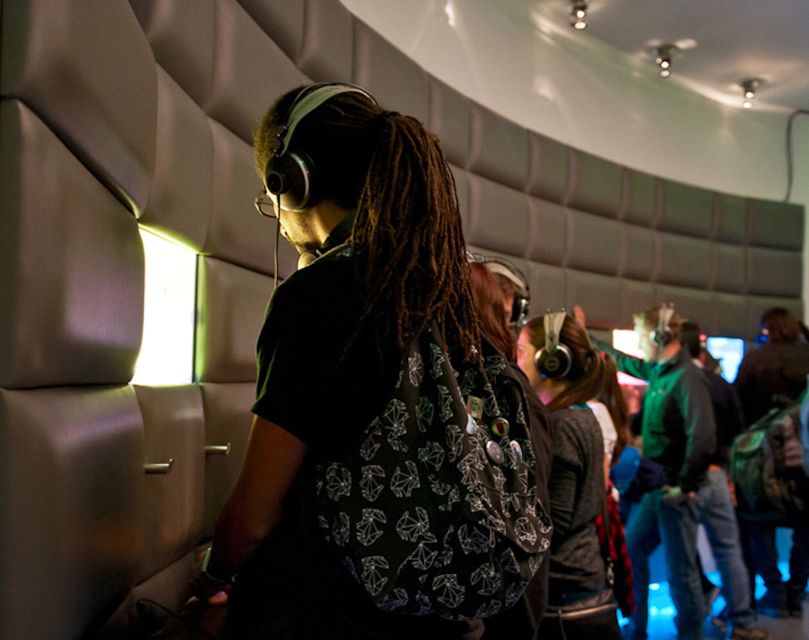
One of the neat extras is the chance to listen to the Vienna Philharmonics New Year’s Concert in HD quality. This is the kind of stop that balances the hands-on energy with a more traditional listening moment.
I’d use this section like a reset button. After you have played conductor and played with sound, you can lean back and let the music do what it does best. It also helps you connect the science exhibits to real performance, because the sound you experimented with is the same kind of sound you hear when professionals play.
If you are a classical music lover, you’ll likely appreciate the contrast between interactive stations and an actual orchestral recording. If you are bringing non-music lovers, this is a good spot to keep everyone seated and calm for a bit.
How to sequence your visit so you do not rush the fun parts
You have 1 day, valid from first activation, which means you can enter once and plan around your own pace. In a museum like this, your best strategy is to set a simple order so you do not end up repeating or skipping the interactive highlights.
Here is a practical way to structure it:
1) Start with the Wiener Klassik composer storytelling areas, so names and periods have context before you start experimenting with sound.
2) Next hit the interactive “do it yourself” stations while your energy is high, especially conducting, dice waltz composing, and the Namadeus Game.
3) Save the sound science exhibits for when you can focus. They are fun, but they reward attention.
4) Finish with the HD New Year’s Concert moment, so your visit closes on music rather than on experiments.
Timing matters less than your energy levels. Based on real visitor behavior, many people do not treat this as a quick hour-and-done museum. One review described spending over 4 hours, which tracks with how many hands-on areas there are.
Price and value: is $22 for Haus der Musik a good deal?
The ticket price is $22 per person for this 1-day visit. At first glance, that’s just another museum ticket. After you look at what’s included, the value story gets stronger.
You get admission plus a smartphone app guide in 8 languages and a children’s app in 2 languages. You also get a museum map and a coat check. Add in the fact that the museum is packed with interactive activities across multiple floors, and the ticket becomes less about passive viewing and more about participation.
Two small costs to consider, because they affect your real-life budget:
- Headphones are required. Bring your own if you can, since the activity depends on audio.
- Food and drinks are not included, so plan for a snack stop elsewhere in Vienna.
If you are coming as a family, or if your group includes both music fans and people who do not care about classical music, this tends to be a strong buy. The museum is built to keep different interests moving at the same time.
What’s included, what to bring, and the practical stuff that saves time
Here’s the practical checklist you should use before you head out:
What’s included with your ticket
- Admission
- Smartphone app guide in 8 languages
- Map of the museum
- Coat check
- A children’s app in 2 languages
What to bring
- Headphones
What’s not included
- Food and drinks
- Transfers
- The Namadeus certificate (not included with the ticket)
Where to meet
- Haus der Musik, Seilerstätte 30, 1010 Vienna
If you want to get oriented fast, you can also pick up free floor plans at the ticket office in multiple languages. That helps if you prefer paper while you move through the rooms.
Wheelchair accessible, with step-free routes and accessible toilets
Haus der Musik is wheelchair accessible. There is step-free access at the main and side entrances, automatic sliding doors, and wheelchair-accessible elevators. Wheelchair-accessible toilet facilities are located in the inner courtyard and on the top floor.
Guide dogs are permitted, and the museum notes free admission for persons accompanying visitors with a visual impairment or in a wheelchair. If you are planning around mobility needs, it’s worth knowing the toilet locations so you can plan your day without stress.
Who should book these tickets
This ticket makes sense if you want Vienna beyond concerts and palaces.
I think it fits best for:
- Families who want structured education but not a stiff, boring museum day
- Classical music lovers who want composer context plus real-world listening
- Curious non-music people who still enjoy hands-on science and interactive exhibits
- Anyone who likes the Vienna Philharmonic vibe but does not want to commit to concert tickets for one evening
If you dislike interactive museums, or if you prefer only traditional historical rooms with no experiments, you might find parts of this too hands-on. But for most people, the mix of history, performance, and sound science keeps it from feeling one-note.
Should you book Haus der Musik tickets?
Yes, you should book if you want a high-value Vienna activity that works for mixed interests. $22 buys you a full day of interactive composer stories, sound science experiments, and multiple “try it yourself” moments, plus an HD concert listening experience.
I’d especially book if:
- you’re traveling with kids or teens and need activities that hold attention
- you want something that blends music and physics without technical jargon
- you are excited by the Vienna Philharmonic connection and want a fun, modern way to engage with it
If you have only one day in Vienna and you are deciding between this and a more traditional museum, weigh your group’s style. For people who learn best by doing, Haus der Musik is a very strong choice.
FAQ
How much are the Vienna Haus der Musik tickets?
The price listed is $22 per person.
How long is the visit valid for?
Your ticket is valid for 1 day, from the first activation.
What are the top interactive activities included?
The museum includes hands-on activities such as a conductor challenge, composing your own waltz with a dice throw, interactive sound and instruments, and the Namadeus Game where you hear your name as an original Mozart composition.
Do I need headphones?
Yes, you should bring headphones. The activity notes headphones as what to bring.
What’s included with admission?
Admission includes an app guide you can download to your smartphone in 8 languages, a children’s app in 2 languages, a map of the museum, and coat check.
Is food and drink available?
Food and drinks are not included.
Is the museum wheelchair accessible?
Yes. It has step-free access at the main and side entrances, automatic sliding doors, wheelchair-accessible elevators, and wheelchair-accessible toilet facilities in the inner courtyard and on the top floor.
Fresh on the site in Vienna
- World War II History Vienna Old Town Private Walking Tour★ 4.8 · 9 reviews
- Vienna/Bratislava: Traunkirchen, Hallstatt & Salzburg Tour★ 4.8 · 53 reviews
- Vienna: Winery and Wine Tasting Tour with a Wine Expert★ 5.0 · 5 reviews
- Vienna: Wine Tasting Tour★ 4.8 · 61 reviews
- Vienna/Bratislava: Day Trip to Hallstatt & Salzburg★ 4.8 · 21 reviews
- Vienna: Wiener Schnitzel and Strudel Cooking Class★ 4.9 · 126 reviews
- Vienna: Waltz into the Ball Season★ 4.7 · 3 reviews
- Vienna: Wine Tasting E-Bike Tour★ 4.9 · 46 reviews
Tickets, compared.

Classic Ensemble Vienna in St. Peter’s Church Ticket
Read our review →
Vienna Kunsthistorisches Museum Day Admission Ticket
Read our review →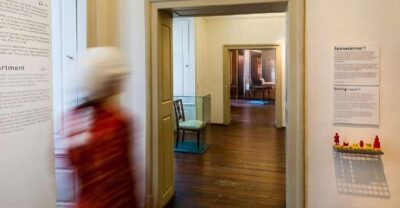
Tickets for Mozarthaus Vienna with Audio Guide
Read our review →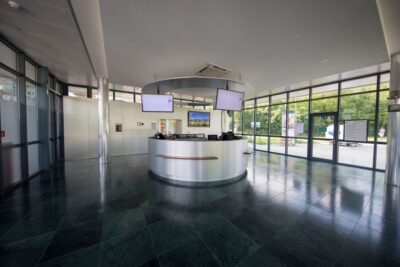
Skip-the-Line Entrance Ticket to the Danube Tower
Read our review →