REVIEW · TOURS
Vienna tours for you with locals
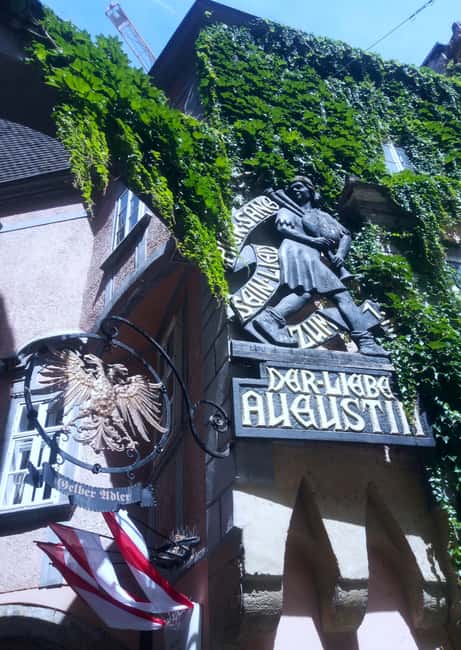
Legends walk beside you in Vienna. In just 2 hours, this Vienna tour follows the mostly unknown Greek Quarter and strings together street corners with stories like Augustin’s hope, plague survival, and the basilisk saga. I especially like the way you see Art Nouveau facades at Fleischmarkt, then connect them to Vienna’s early printing world and other legends.
I also like that it is truly a calm, manageable pace. The tour uses a silent guide system with headsets so you hear every explanation clearly, and the walk is described as easy, not strenuous. One drawback to weigh: it is not suitable for wheelchair users.
In This Review
- Key things you will notice on this local-led walk
- Why the Greek Quarter is Vienna’s legend-making engine
- Price, pace, and where you start near Stubentor
- Augustin’s hope and the basilisk, told where they belong
- Fleischmarkt Art Nouveau: why these facades feel personal
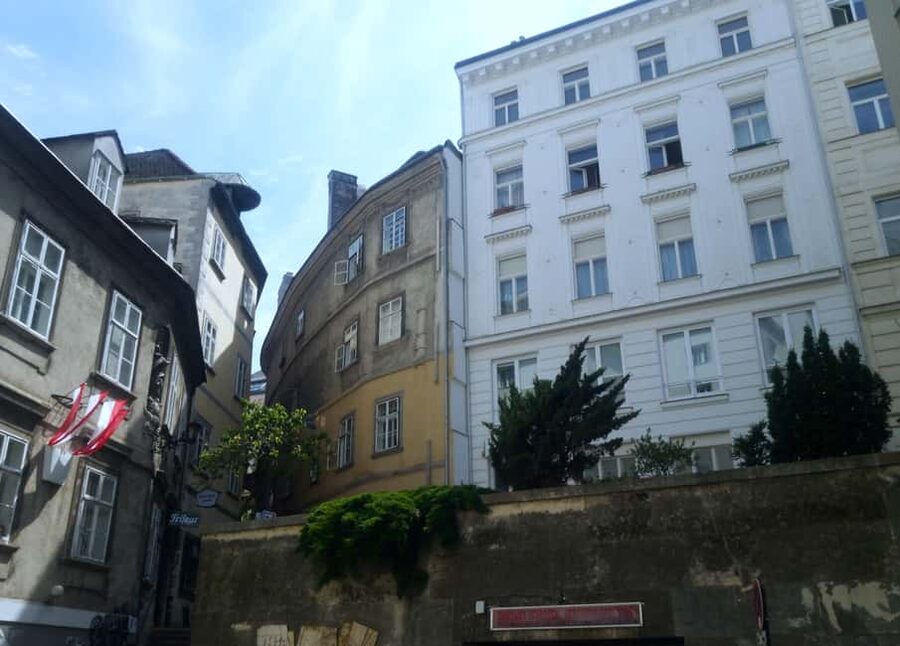
- Griechengasse and the Danube border: history you can picture
- Schönlaterngasse legends and Lugeck’s printing press roots
- Silent guide with headsets: clear audio, less stress
- What you likely will not get, and who should skip it
- Ending near Lugeck and the practical drop-off points
- Should you book Vienna Tours for You with Locals?
- FAQ
- How long is the Vienna walking tour?
- Where do we meet?
- Is this tour underground?
- What languages are available?
- Is the tour difficult to walk?
- Does the guide provide audio?
- Is the tour suitable for wheelchair users?
Key things you will notice on this local-led walk
- Augustin’s legend ties the neighborhood to hope, plague survival, and links to Greek independence.
- The oldest residential tower in Vienna is part of the route, so you are not just reading about the past.
- The basilisk saga adds a mythic layer as you move through real streets.
- Fleischmarkt Art Nouveau focuses on buildings most tourists miss, plus their links to early printing.
- Griechengasse’s Danube border story helps you picture how the area functioned historically.
- Schönlaterngasse and Lugeck connect legend with facts about Vienna’s printing press roots and the Habsburg monarchy.
Why the Greek Quarter is Vienna’s legend-making engine
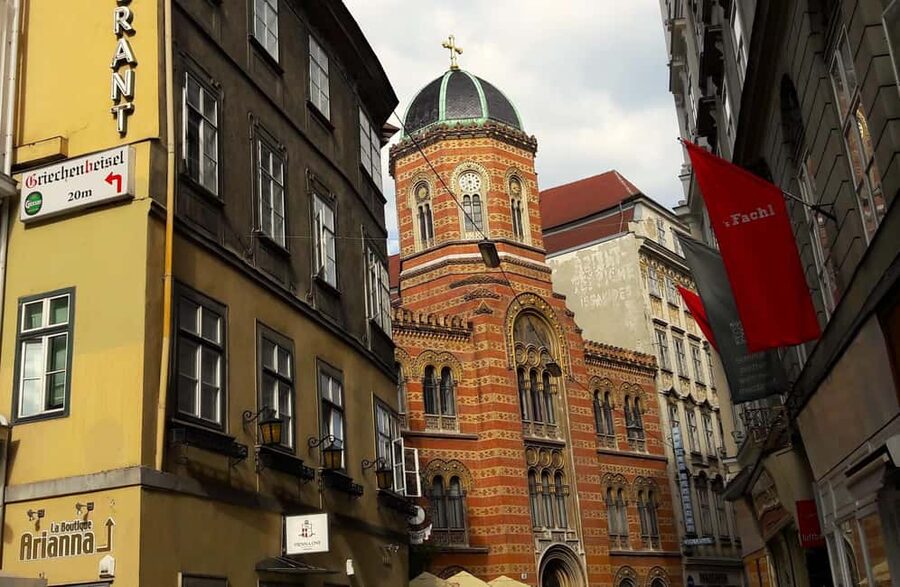
Vienna’s Greek Quarter is the kind of place where history does not sit quietly behind glass. The stories are built into the streets, and this tour leans into that. You are walking through an area tied to big themes: survival during the plague, early printing activity, and Middle Age legend-making around alchemists, often described as the scientists of their time.
As you go, the neighborhood also becomes a bridge between past and present. You will see a mix of older structures and newer architecture, and that contrast makes the legends easier to hold in your head. Instead of treating myth as fantasy, the guide frames it as something people told while life was uncertain.
If you like walking tours where the guide explains why a place matters, you will get exactly that. You are not doing a long museum day. You are doing a short, story-driven walk through the first district’s layered streets.
A few more Vienna options worth a side-by-side
- Vienna: Vivaldi’s Four Seasons Concert in Karlskirche
★ 4.7 · 14,951 reviews - Vienna: Spanish Riding School Training
★ 3.9 · 9,281 reviews - Vienna: Skip-the-cashier-desk-line Giant Ferris Wheel Ride
★ 4.5 · 7,859 reviews
Price, pace, and where you start near Stubentor
At $23 per person for a 2-hour private tour, you are paying for focus. You get a dedicated guide, headset audio, and a route designed to fit a short window. It is also a good option if you want something more than a generic city-center overview, without committing to a half-day.
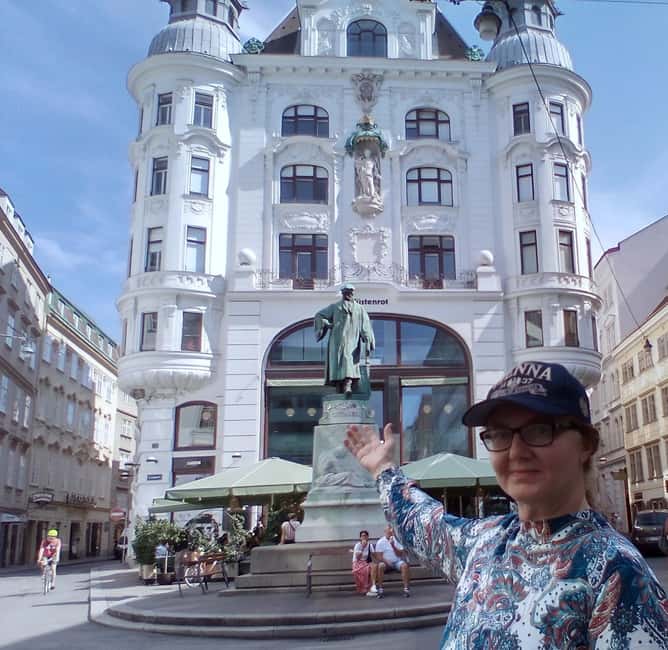
The start matters, and this one is simple: you meet around the Dr. Karl Lueger monument near the Stubentor subway station. Pickups are optional, but only by public transport routes agreed by email, not by car or bus. If you are already based in the first district, you will probably find it straightforward to get there.
The pace is part of the value. The tour is described as easy, with limited walking, and it is meant to be not strenuous. That makes it a good fit even if you are not in “steps marathon” mode on your trip.
One more thing to keep in mind: the tour runs rain or shine. Since you are outside on city sidewalks, plan for weather like you would for any short walking tour, a compact umbrella can help if skies turn.
Augustin’s hope and the basilisk, told where they belong
The headline stories on this walk are not random. They are tied to the Greek Quarter’s identity as a place where people leaned on belief when times were hard. The legend of Augustin is described as a source of hope for people, including hope to survive the plague. That framing matters because it connects myth to an emotional need, not just a spooky tale.
Then there is the basilisk saga. It works well on a street walk because you can treat the story like a lens. You are not trying to picture the creature itself. You are paying attention to how locals would have used stories to explain danger and uncertainty long before modern science.
I also like that the guide does not only aim for atmosphere. You will hear legends along with clear links to why the neighborhood developed into what it became. That approach keeps the tour from feeling like a costume drama.
Fleischmarkt Art Nouveau: why these facades feel personal
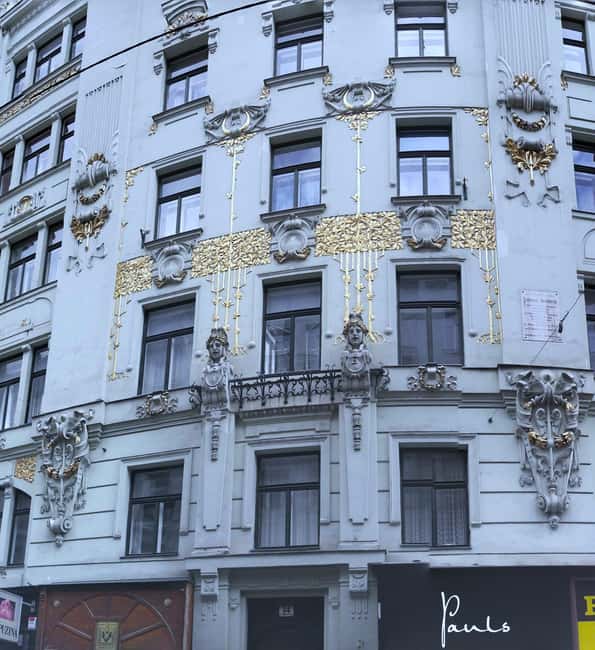
One segment that stands out is Fleischmarkt, where you will admire Art Nouveau buildings that are mostly unknown to tourists. This is one of those rare tours where the visual payoff is immediate. You are not just told that a neighborhood is interesting, you are directed to specific architecture and invited to notice details.
What makes it more than a quick photo stop is the connection the guide draws. The Art Nouveau buildings here are linked to the first printing houses in Vienna, with legends layered on top. If you care about how cities grow their “knowledge industry,” this is where the tour starts to click.
Art Nouveau in Vienna is often famous, but the tour’s angle is different. It nudges you toward lesser-seen streets and buildings, so you come away feeling like you found something local rather than repeating the same highlights you see on big group itineraries.
If you are the type who likes to read building facades like clues, this part will be satisfying. Even if you do not know design terminology, the guide’s story connections help you understand what you are looking at.
Still the same country, a very different afternoon:
- Vienna: Schönbrunn Palace & Gardens Skip-the-Line Tour
★ 4.7 · 7,739 reviews - Vienna: Light of Creation Votive Church Immersive Light Show
★ 4.8 · 6,779 reviews - Vienna Spanish Riding School Guided Tour
★ 4.7 · 6,765 reviews - Vienna: Classical Concert in the World-Famous Musikverein
★ 4.6 · 6,673 reviews
Griechengasse and the Danube border: history you can picture
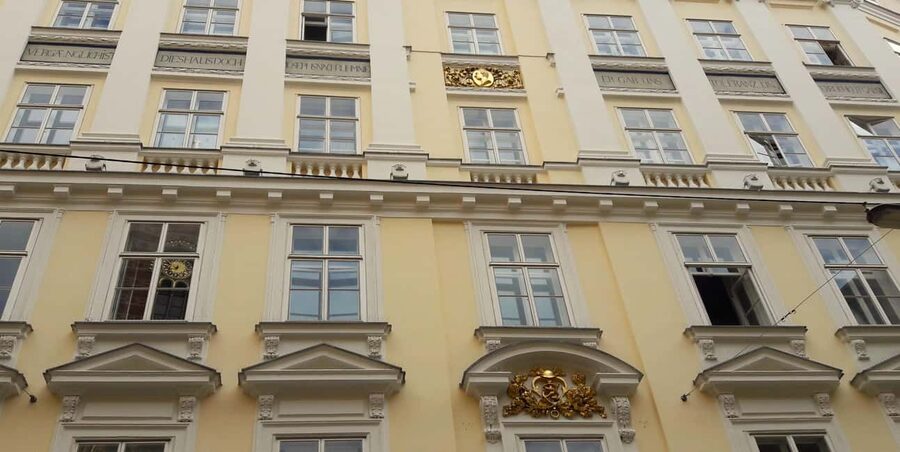
As you move through the area, you get a stronger sense of geography. Griechengasse is described as amazing because of its history as a border area on the Danube. That detail gives the neighborhood a “why” behind it. Borders shape trade, movement, and who feels welcome, and that feeds the kind of stories that grow in a place.
A Danube-edge story also makes the Greek Quarter feel less like an isolated pocket and more like a functional part of the city system. It helps you understand how communities were formed through movement and contact, not just through a single moment in time.
This is also the kind of stop that can reward slow attention. If you find yourself drifting, it helps to ask yourself what kind of life would fit in a border street. The guide’s legend-and-facts combination is built to make that question feel concrete.
Schönlaterngasse legends and Lugeck’s printing press roots
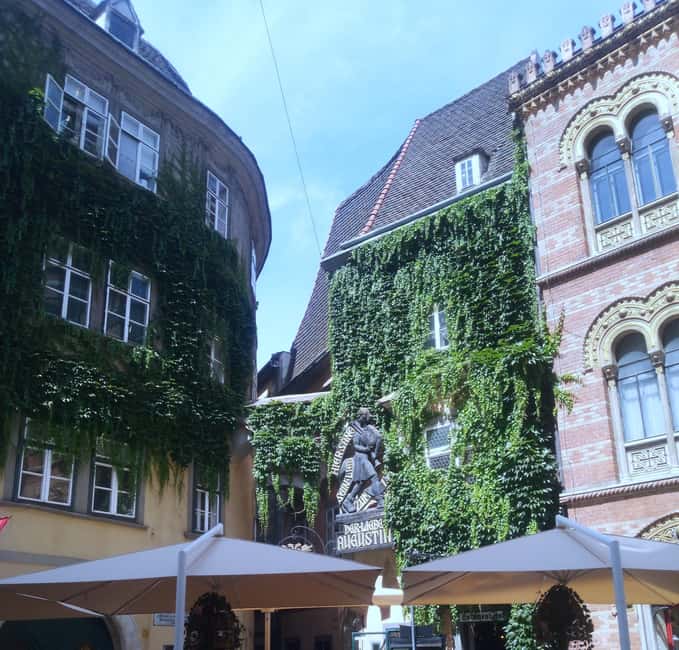
Two street names come up as story anchors: Schönlaterngasse and Lugeck. Schönlaterngasse is presented through legends, and it is used as part of the tour’s rhythm, so you keep moving while the narrative keeps shifting.
Then Lugeck brings things back to historical grounding. You will learn the history of Vienna’s printing press, tied to historical facts from the beginning of the Habsburg monarchy, plus exciting legends connected to that period. This is a strong choice for anyone who likes history that is connected to how information spread.
Printing history matters because it changes what a society can do. Early printing shifts books, ideas, and public knowledge from slow and local to faster and wider. In this neighborhood, that theme is tied to the Greek Quarter’s reputation for very early printed books, and that helps you understand why legend-making and scholarship could grow side by side.
Practically, this is also where you start to feel the tour closing in. As you near the end points, you will get more context on how the first district became the city’s knowledge center.
Silent guide with headsets: clear audio, less stress
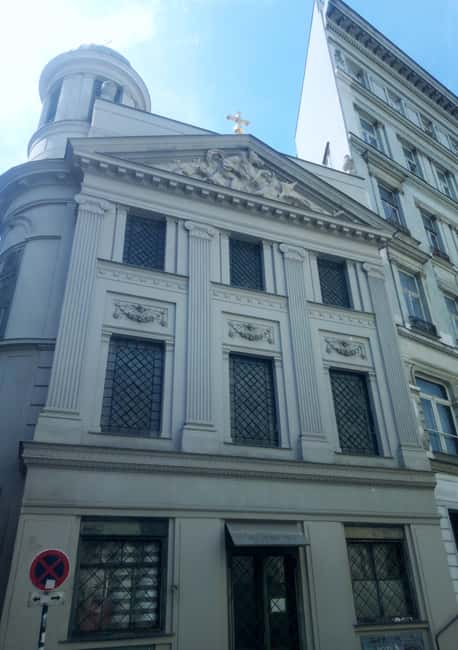
This tour uses a silent guide with headsets. That means the guide speaks through a receiver system, so you can actually hear the story without fighting street noise. For a short walk, that kind of audio setup is a big deal. It keeps the tour from turning into a guessing game.
It also makes it easier to stand where you want. You can listen while still looking up at buildings and not feel trapped in “line walking mode.” If you prefer to observe quietly and not keep repositioning, this setup can help.
One caution: recording any explanations is strictly prohibited because the tour content is protected by copyright. If you like to take notes, do that instead, short bullet points work well.
The tour is described as not underground, so you will not be dealing with tunnels, stairs down into enclosed spaces, or the logistics of an underground-style route.
What you likely will not get, and who should skip it
This is not a long, museum-heavy day. You should not expect extensive interior visits or a deep dive through multiple institutions, because the format is a guided street walk meant to fit into two hours.
Also, if you need wheelchair access, this is not the right match. The tour is not suitable for wheelchair users, so you may want to look for a different route.
If you do like: short stories, architecture you can see up close, and a local guide who makes street history understandable, you are in the right place. The tour’s easy pace also makes it a good add-on even if your other day includes more walking.
From the guide side, Nicole (listed in the activity contact details) comes across in the provided feedback as friendly and willing to answer questions. That matters because tours are more enjoyable when you can ask follow-ups, especially when the content includes legends alongside historical facts.
Ending near Lugeck and the practical drop-off points
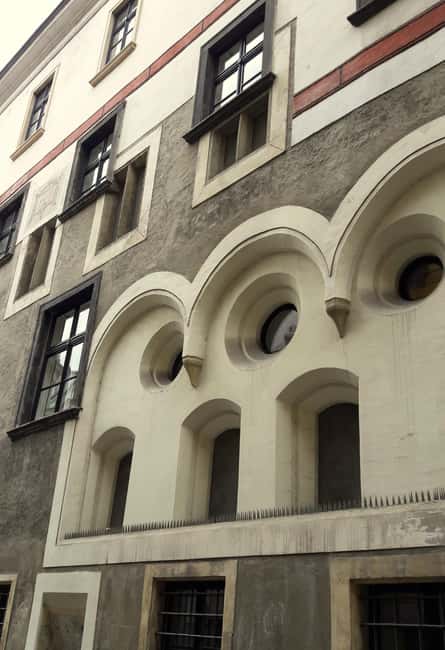
You finish with 2 drop-off locations: Lugeck 6 and Parlament Österreich. That split can be useful if you have another plan right after the tour, like a nearby stroll or a transit connection.
It also fits the theme of the walk. Lugeck is part of the story, and the drop-off near the Parliament area gives you an easy way to orient yourself for the rest of your day in Vienna’s center.
If you want to keep momentum, I suggest taking a few minutes after the tour to look back at what you saw and decide which street you want to revisit on your own. That is when the legends and architecture start to stick.
Should you book Vienna Tours for You with Locals?
Book it if you want a compact, story-focused Vienna experience that brings the Greek Quarter to life. For $23 per person and two hours, the private format plus headset audio gives you value, and the route is built around specific things you can see: Art Nouveau at Fleischmarkt, the oldest residential tower, and street-by-street legend connections tied to printing and the early Habsburg era.
Skip it if wheelchair accessibility matters to you, or if you are looking for a heavy museum itinerary or an underground-style tour.
If your ideal Vienna day is part walking, part listening, and part learning why a neighborhood got the reputation it did, this is a strong choice. You will leave with streets in your head, not just photos on your phone.
FAQ
How long is the Vienna walking tour?
It lasts 2 hours.
Where do we meet?
You meet around the Dr. Karl Lueger monument near the Stubentor subway station.
Is this tour underground?
No. It is not an underground tour.
What languages are available?
The live tour guide speaks German and English.
Is the tour difficult to walk?
It is described as an easy tour. You do not walk much and it is not strenuous.
Does the guide provide audio?
Yes. It includes a silent guide with headsets so you can hear clearly.
Is the tour suitable for wheelchair users?
No. It is not suitable for wheelchair users.
Fresh on the site in Vienna
- World War II History Vienna Old Town Private Walking Tour★ 4.8 · 9 reviews
- Vienna/Bratislava: Traunkirchen, Hallstatt & Salzburg Tour★ 4.8 · 53 reviews
- Vienna: Winery and Wine Tasting Tour with a Wine Expert★ 5.0 · 5 reviews
- Vienna: Wine Tasting Tour★ 4.8 · 61 reviews
- Vienna/Bratislava: Day Trip to Hallstatt & Salzburg★ 4.8 · 21 reviews
- Vienna: Wiener Schnitzel and Strudel Cooking Class★ 4.9 · 126 reviews
- Vienna: Waltz into the Ball Season★ 4.7 · 3 reviews
- Vienna: Wine Tasting E-Bike Tour★ 4.9 · 46 reviews
Tours, compared.
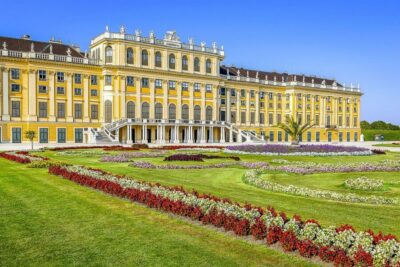
Schönbrunn Palace & Gardens Skip-the-Line Tour
Read our review →
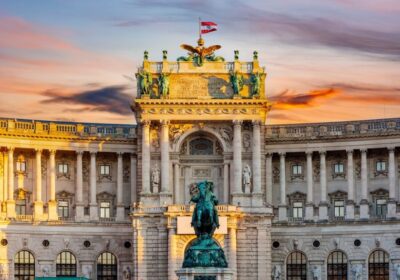
Skip-the-Line Sisi Museum, Hofburg and Gardens Tour
Read our review →
Skip-the-Line Schönbrunn Palace & Gardens Tour
Read our review →
Guided Walking Tour of City Center Highlights
Read our review →