REVIEW · TICKETS
Vienna: Underground WWII Bunker Ticket and Guided Tour
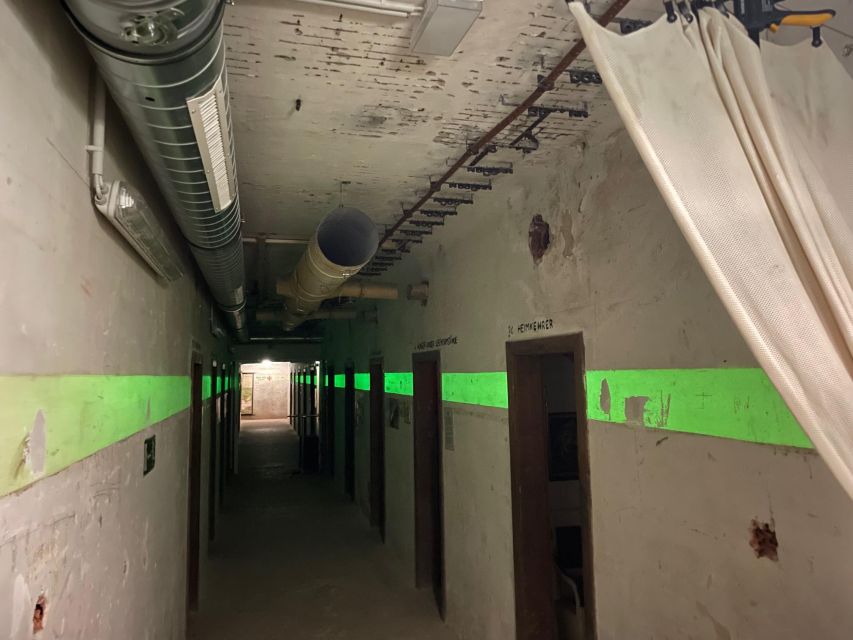
You go underground, and Vienna changes. This guided visit takes you into a well-preserved World War II air raid shelter, far from the public streets, where you can see bunker architecture and real wartime objects up close, while a German-speaking guide ties it all to everyday life under bombing. The wartime stories are the key, because you are not just looking at a room, you are learning how civilians tried to survive.
I also like the care that goes into the atmosphere down there, especially the way lighting can make the shelter feel active, not like a staged set. One drawback to weigh is that this is not barrier-free, so the route is only suitable if you can comfortably handle an underground visit and limited accessibility.
In This Review
- Key highlights you should care about
- Underground in Vienna: what you really experience in a WWII shelter
- Meeting at the Museum of liberation (1945 to 1955) and finding your start
- The 90 minute rhythm: museum start, underground walk, then the story lands
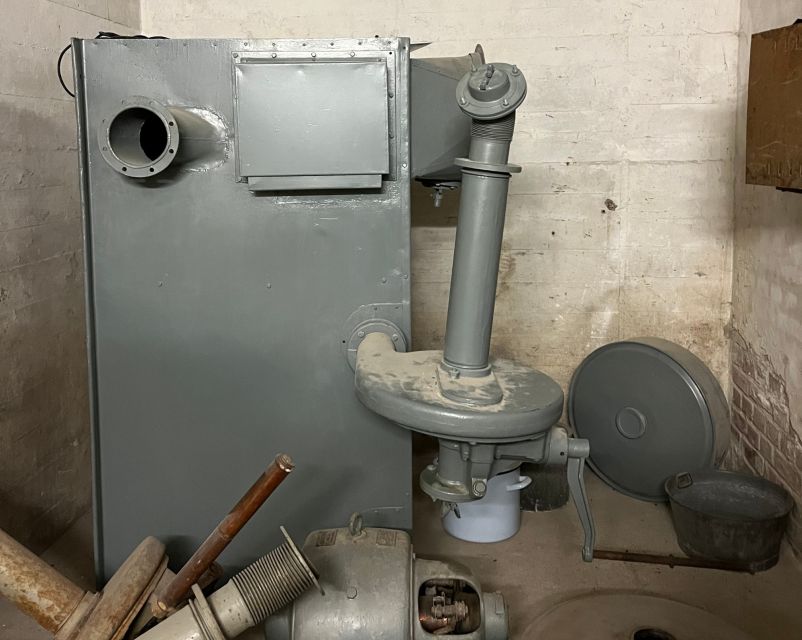
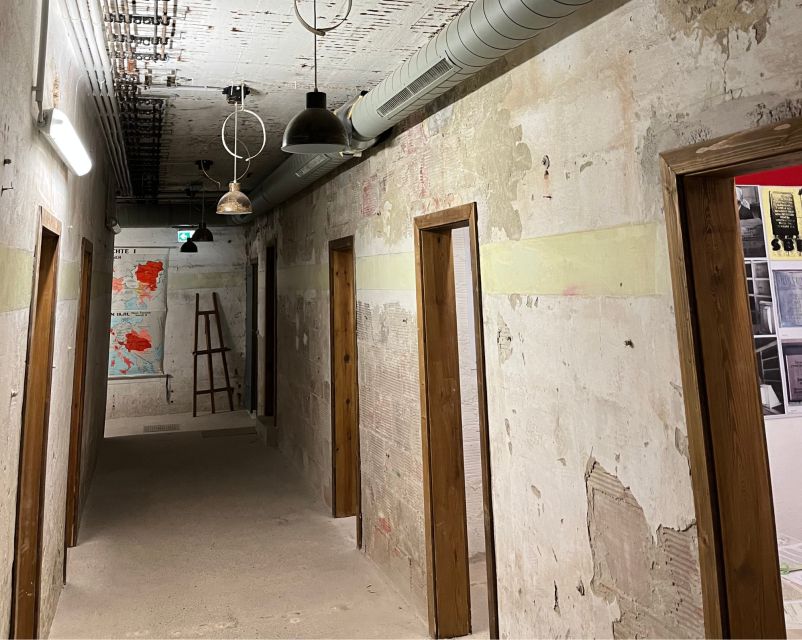
- What you see underground: architecture, artifacts, and the shelter logic
- The stories behind survival: life in Vienna during bombing and change
- Price and value: is $35 a good deal for a bunker tour
- Who should book, and who might prefer something else
- Practical tips that make the underground part easier
- Should you book this WWII bunker tour in Vienna?
- FAQ
- How long is the Underground WWII Bunker Ticket and Guided Tour?
- Where do I meet my guide?
- Is the tour in German?
- Are cameras allowed during the tour?
- What should I bring?
- Is food included?
- Is it barrier-free or suitable for mobility impairments?
- Can I cancel and get a refund?
Key highlights you should care about
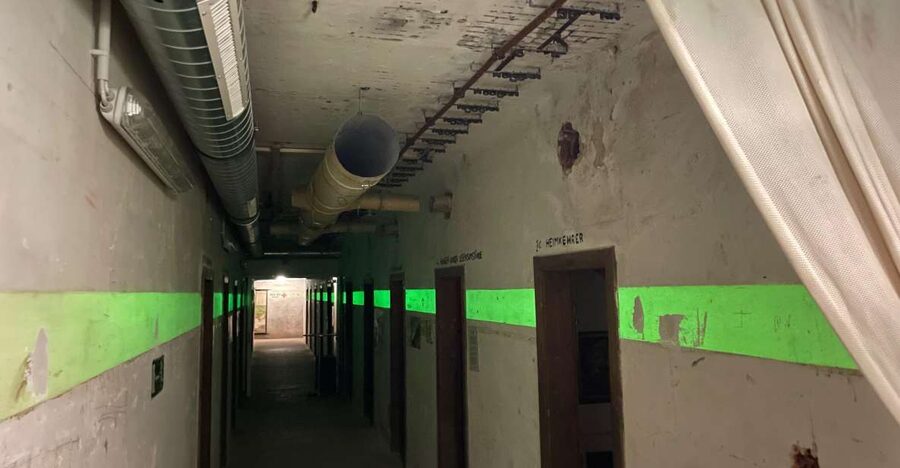
- A non-public WWII shelter location that makes Vienna feel less like a postcard and more like lived-in history
- Well-preserved artifacts and objects, so your brain connects the space to real people
- A guided German walkthrough that focuses on daily life and how society shifted during the war
- Architecture you can actually understand, not just a vague description of walls and tunnels
- Atmosphere-enhancing lighting that helps the place sink in fast
Underground in Vienna: what you really experience in a WWII shelter
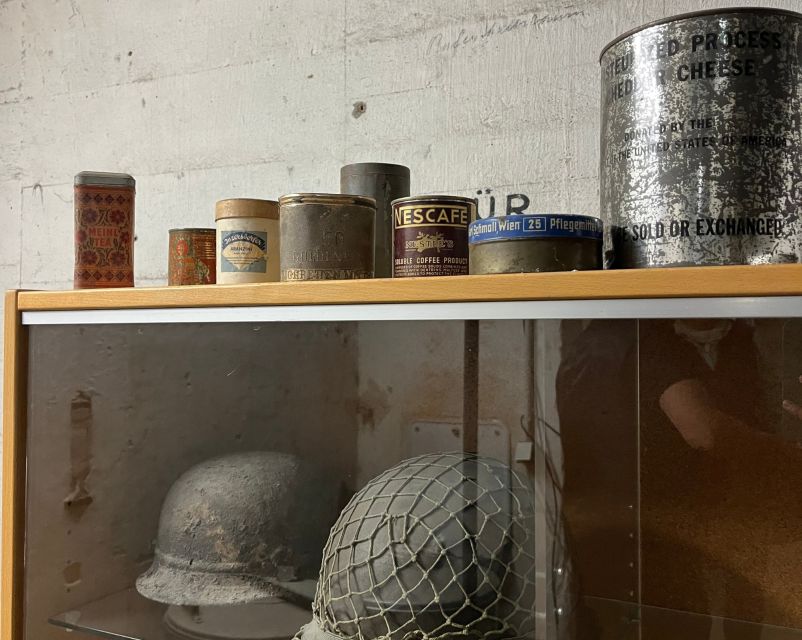
A Vienna bunker tour works best when it does two things at once. First, it turns the setting tangible, so you can picture bodies and breath in the dark. Second, it gives the human context, so the shelter is not just military trivia. This tour is built for both.
You start above ground at a museum linked to Vienna’s liberation period, then you go down into a shelter that is not part of the normal public flow. You will spend your time inside a former air raid air shelter, focusing on how civilians sought refuge from Allied bombing raids. That focus matters, because it keeps the story grounded in how ordinary people managed fear, waiting, and uncertainty.
What I like is the balance between physical details and lived experience. The tour does not treat the bunker like a museum box. It emphasizes the shelter’s layout and significance, then pairs that with anecdotes and explanations about how life worked underground. If you care about how politics and society collided with daily survival, this is the kind of place that makes those themes click.
A few more Vienna options worth a side-by-side
- Vienna: Vivaldi’s Four Seasons Concert in Karlskirche
★ 4.7 · 14,951 reviews - Vienna: Spanish Riding School Training
★ 3.9 · 9,281 reviews - Vienna: Skip-the-cashier-desk-line Giant Ferris Wheel Ride
★ 4.5 · 7,859 reviews
Meeting at the Museum of liberation (1945 to 1955) and finding your start
You meet your guide in front of the entrance to the Museum of liberation of Vienna from 1945 to 1955. That is important for two reasons. One, it is the only clear anchor point, so plan to arrive a few minutes early. Two, the bunker itself is in a clandestine, non-public spot, so there is no “tourist shortcut” once you are ready to go.
I also suggest you give yourself extra time to locate the right entrance. One past visitor noted the entrance can be tricky to find and that an extra sign would help. You can solve this easily by checking the exact meeting spot on your map before you head over, then arriving early enough to look around without rushing.
Once the group is gathered, you will move to the underground access point for the shelter. The tour also includes skip-the-line access through a separate entrance, which is a real time-saver if the museum area is busy.
The 90 minute rhythm: museum start, underground walk, then the story lands
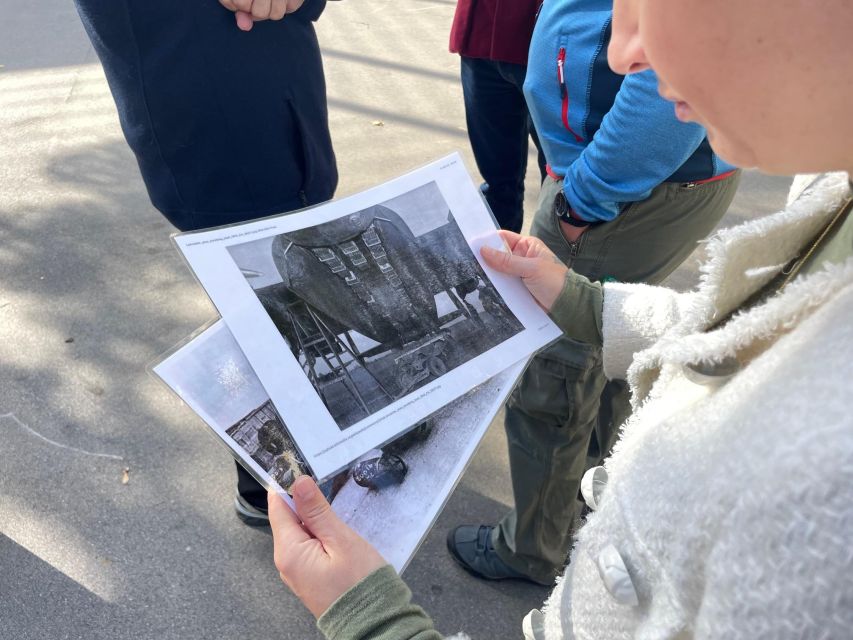
The whole experience runs about 90 minutes, which is long enough to feel like a real guided walk, but not so long that you lose the thread. The timing matters in an underground setting. Your brain needs breaks, and your attention span helps only if the guide keeps the narrative moving.
A typical flow looks like this:
- You meet at the museum and start with a guided orientation.
- You then descend into the shelter and begin moving through the hidden rooms and spaces.
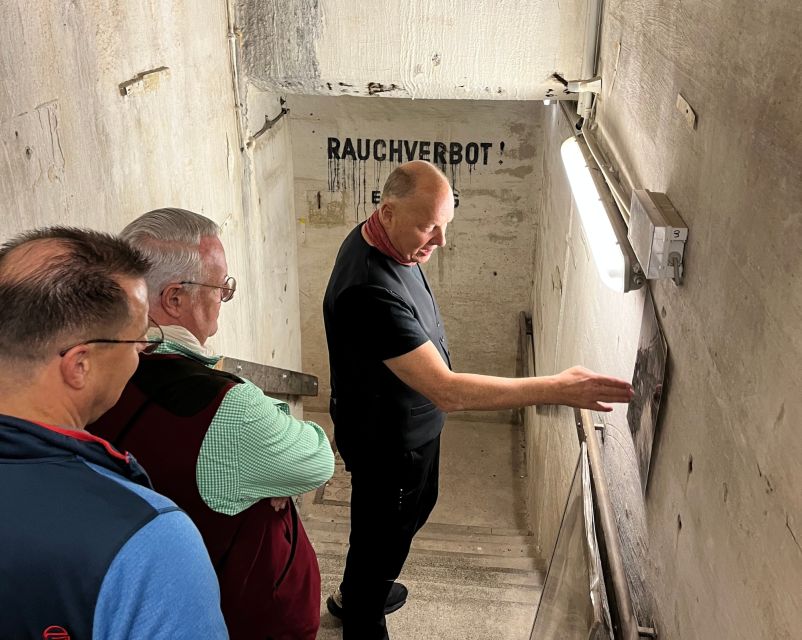
- As you walk, you see historical artifacts and objects and hear explanations about the space and daily survival.
- Near the end, the guide connects the shelter story to broader political and societal events in Austria during the war period and the challenges that followed.
The practical value here is that the tour is not just “look at this, then look at that.” It is structured around explanation, then observation, then explanation again. That sequence is what helps the shelter make emotional sense.
What you see underground: architecture, artifacts, and the shelter logic
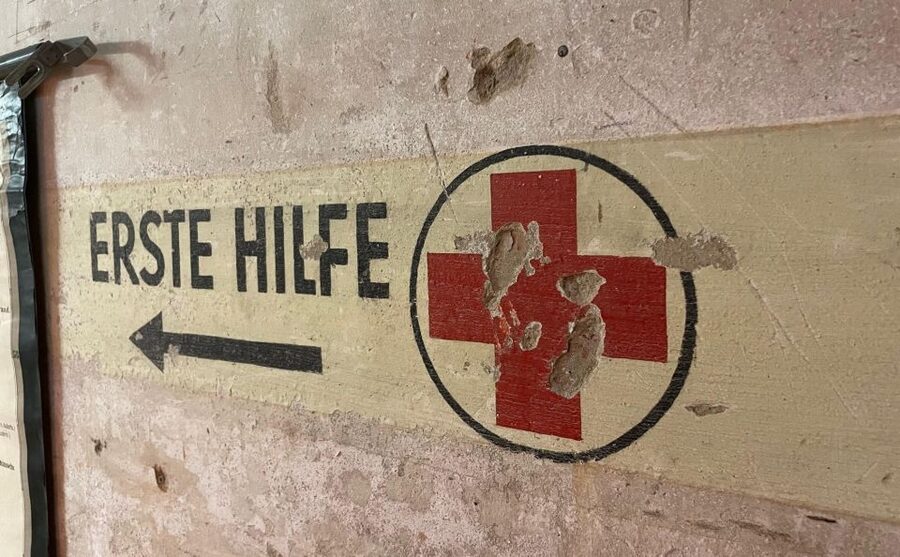
Inside the air raid shelter, the main payoff is clarity. You are shown architecture and significance, not just described “bunkers.” The physical setup helps you understand how people tried to find safety during bombing raids.
You will see well-preserved historical artifacts and objects. The exact items are not listed in the tour details you provided, but the tour promise is clear: you are not touring an empty shell. The preserved objects are meant to trigger the human scale. When you can see real things left from the era, it becomes harder to treat the war as an abstract event.
There is also a “space awareness” effect that happens underground. Even without technical explanations, you start noticing how the shelter is designed for sheltering, waiting, and sheltering again. That is what makes the tour different from a generic “history room” stop.
One more thing: lighting can make the shelter feel more immediate. One visitor specifically praised the atmosphere created through candle-like lighting and said the guides worked hard to convey an authentic mood. Even if you do not count on candles, you should expect an atmosphere-focused presentation that helps you take the underground setting seriously.
Still the same country, a very different afternoon:
- Vienna: Schönbrunn Palace & Gardens Skip-the-Line Tour
★ 4.7 · 7,739 reviews - Vienna: Light of Creation Votive Church Immersive Light Show
★ 4.8 · 6,779 reviews - Vienna Spanish Riding School Guided Tour
★ 4.7 · 6,765 reviews - Vienna: Classical Concert in the World-Famous Musikverein
★ 4.6 · 6,673 reviews
The stories behind survival: life in Vienna during bombing and change
The strongest part of this tour is the story engine. The tour is built to teach you what it meant to seek safety during Allied bombing raids in Vienna, using the bunker as the starting point.
Your guide shares anecdotes and lived-in details about what civilians faced. That matters because air raids were not only about sound and darkness. They also reshaped daily routines and social life. The tour connects the shelter experience to bigger events, including:
- the effects of annexation,
- wartime pressures,
- and the challenges of reconstruction afterward.
Even if you think you already know the general outline of World War II in Austria, the shelter perspective forces you to think differently. You stop viewing history as dates and start seeing it as rooms, waiting time, and the way people adjusted their lives around the threat overhead.
The tour also helps you grasp how political and societal events show up in physical spaces. When people scramble for safety, the built environment becomes part of the story. A shelter is not only a place to hide. It is a snapshot of priorities, fears, and community behavior during crisis.
Price and value: is $35 a good deal for a bunker tour
At $35 per person for a 90 minute guided bunker experience, you should judge value on two factors: access and depth.
Access is the big one. You are going underground into a well-preserved WWII shelter that is not publicly accessible in the normal way. You are also getting entry that is tied to the museum at the start, plus a guided walkthrough. That combination usually costs more than a regular museum ticket because you are paying for time, access, and interpretation.
Depth is the second. This is not just a single room photo stop. The tour focuses on architecture, preserved artifacts, and stories that connect the shelter to Vienna’s wartime experience and the period that followed. If that is the kind of explanation you want, $35 is fair. If you only want a quick glance or you dislike guided interpretation, you might find yourself wanting more freedom or more time.
Language is also part of value. The guide is German-speaking. If you do not speak German, plan ahead based on your comfort level with guided tours in German. There is no alternate language listed in the tour details you provided.
Who should book, and who might prefer something else
This tour fits best if you want a grounded, human-scale look at wartime Vienna.
You will likely enjoy it if:
- you like WWII history but want more than a lecture,
- you enjoy learning through objects and real spaces,
- you are curious about how politics and society touched daily life,
- and you prefer a guided route that tells you what to notice.
You might want to skip this tour if:
- you need barrier-free access (the tour is not barrier-free),
- you cannot manage an underground setting and walking on uneven or confined areas,
- or cameras are important to you, because cameras are not allowed.
Age and mobility also matter. The tour is listed as not suitable for people with mobility impairments and for people over 95 years. If either applies, choose a different history experience that is easier on the body.
Practical tips that make the underground part easier
This tour runs rain or shine, so dress for wet sidewalks and then think about comfort once you are underground.
Bring:
- Comfortable shoes. You are spending time down in a shelter, so you want grip and support.
Plan for:
- No food or drinks included, so eat beforehand if you have a sensitive stomach or long day. The tour does not list any snack stop.
- Cameras are not allowed, so put your phone away for photos and focus on listening and looking with your eyes.
- Not barrier-free, meaning you should assume stairs and uneven underground access may be part of the experience.
Finally, be ready for guided storytelling that is only as strong as the guide’s flow. One past visitor praised the guide’s clear explanation and personal anecdotes. Another noted that their guide struggled to stay organized in the narrative. You cannot control the guide assignment, but you can control your mindset. Go in expecting interpretation, then focus on the space and artifacts, which remain the core of the experience.
Should you book this WWII bunker tour in Vienna?
Yes, you should book if you want the kind of history that lives in your senses, not just in textbooks. The main reasons are simple: well-preserved shelter spaces, historical objects, and a guided story that connects survival underground to broader political and societal events. Add in the time length, 90 minutes, and the skip-the-line access, and it is a solid, efficient way to experience a darker slice of Vienna up close.
I would hold off if you need barrier-free access, you rely on taking photos, or you prefer history without a strong guided narrative. Also, if you speak only English and your tour guide is German-only, consider whether you will still enjoy the experience through your comfort with German explanations.
If your answer to the question Do you want to understand how people hid during bombing in a real bunker? is yes, then this is one of the most focused, memorable options in Vienna for WWII context.
FAQ
How long is the Underground WWII Bunker Ticket and Guided Tour?
The tour lasts 90 minutes.
Where do I meet my guide?
Please meet your guide in front of the entrance to the Museum of liberation of Vienna from 1945 to 1955.
Is the tour in German?
Yes. The guide is German-speaking.
Are cameras allowed during the tour?
No. Cameras are not allowed.
What should I bring?
Bring comfortable shoes.
Is food included?
No. Food and drinks are not included.
Is it barrier-free or suitable for mobility impairments?
No. The tour is not barrier-free and is not suitable for people with mobility impairments or people over 95 years.
Can I cancel and get a refund?
Yes. Free cancellation is available up to 24 hours in advance for a full refund.
Fresh on the site in Vienna
- World War II History Vienna Old Town Private Walking Tour★ 4.8 · 9 reviews
- Vienna/Bratislava: Traunkirchen, Hallstatt & Salzburg Tour★ 4.8 · 53 reviews
- Vienna: Winery and Wine Tasting Tour with a Wine Expert★ 5.0 · 5 reviews
- Vienna: Wine Tasting Tour★ 4.8 · 61 reviews
- Vienna/Bratislava: Day Trip to Hallstatt & Salzburg★ 4.8 · 21 reviews
- Vienna: Wiener Schnitzel and Strudel Cooking Class★ 4.9 · 126 reviews
- Vienna: Waltz into the Ball Season★ 4.7 · 3 reviews
- Vienna: Wine Tasting E-Bike Tour★ 4.9 · 46 reviews
Tickets, compared.
Classic Ensemble Vienna in St. Peter’s Church Ticket
Read our review →
Vienna Kunsthistorisches Museum Day Admission Ticket
Read our review →
Tickets for Mozarthaus Vienna with Audio Guide
Read our review →
Skip-the-Line Entrance Ticket to the Danube Tower
Read our review →