
REVIEW · HISTORICAL TOURS
Vienna: Essential History Walking Tour
Vienna makes more sense when someone connects the dots. This short history walking tour turns big imperial buildings into stories you can actually picture, from Roman Vienna to the shadows of World War II. I especially like how it builds meaning fast, with stops that explain symbolism and everyday details, and how the guide keeps things lively with anecdotes and humor.
You also get top-tier landmarks packed into a tight route, including the Austrian National Library with its state room and the Albertina, home to an enormous graphical collection. One possible drawback: the emphasis is strongly on the Imperial core and Habsburg-era details, so if you mainly want casual city wandering or modern Vienna culture, you may feel pulled toward history the whole time.
In This Review
- Key highlights that make this tour worth your time
- Walking Vienna’s “Imperial Core” in 2 Hours
- Michaelerplatz 3 and the Roman-Vienna start
- Hofburg Palace and Heldenplatz, where power looks physical
- Imperial Treasury and the Austrian National Library state room
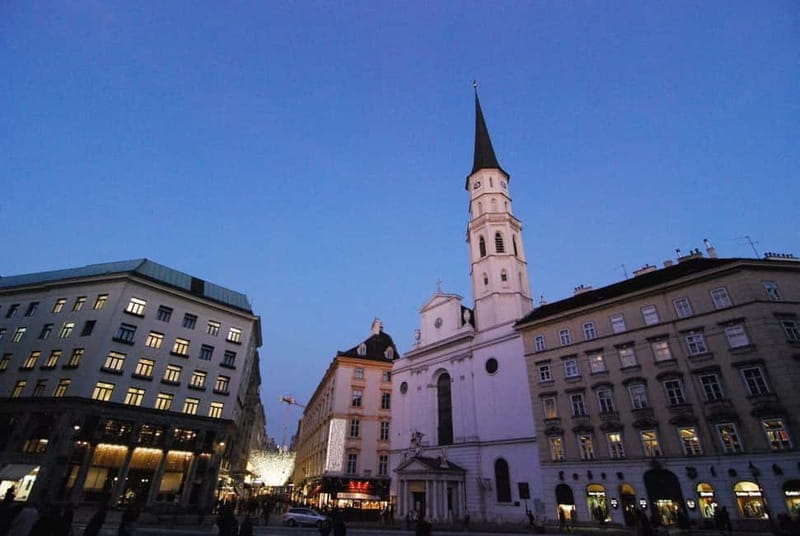
- St. Michael’s Church and Habsburg weddings, including the odd details
- Albertina art and the Monument Against War and Fascism
- State Opera area, Hotel Sacher replacing the Carinthian Gate
- Neuer Markt and the Providentia Fountain anecdotes
- Imperial Crypt and St. Stephen’s Cathedral, the WWII twist
- Price and value: what $34 buys you
- Who should book, and who might want a different format
- Should you book this Vienna Essential History Walking Tour?
- FAQ
- How long is the Vienna Essential History Walking Tour?
- Where do I meet for the tour?
- What is included in the price?
- Are entrance fees included?
- Is the tour canceled if weather is bad?
- Can I record video or audio during the tour?
Key highlights that make this tour worth your time
- Two hours, major sites on foot, so you get orientation without a long day
- Michaelerplatz Excavations right at the start, grounding you in Roman Vienna
- Hofburg scale explained, including the vast grounds footprint of 555,000 m²
- National Library symbolism and Emperor Joseph II, explained where you stand
- Albertina plus WWII context, art history side by side with Monument Against War and Fascism
- St. Stephen’s Cathedral ending, with notes on what history lessons often simplify
Walking Vienna’s “Imperial Core” in 2 Hours
I like a city tour that helps you see more than the postcard view. This one walks you through the parts of Vienna where power left fingerprints on the buildings, squares, and even the church rituals. In just two hours, you cover the shift from earlier foundations to the Habsburg world, and then you also face the harder chapters of the 20th century.
The route is compact, which matters because your brain stays connected to what you just learned. You are not hopping across town. Instead, you walk a short distance at a time and the guide keeps tying architecture to people, politics, and choices made centuries ago.
More Walking Tours in Vienna
- Vienna: Guided Walking Tour of City Center Highlights
★ 4.7 · 4,989 reviews - Vienna: Vienna Central Cemetery Guided Walking Tour
★ 4.8 · 3,307 reviews - Vienna: Guided Walking Tour of City Highlights & Hidden Gems
★ 4.9 · 2,180 reviews
Michaelerplatz 3 and the Roman-Vienna start
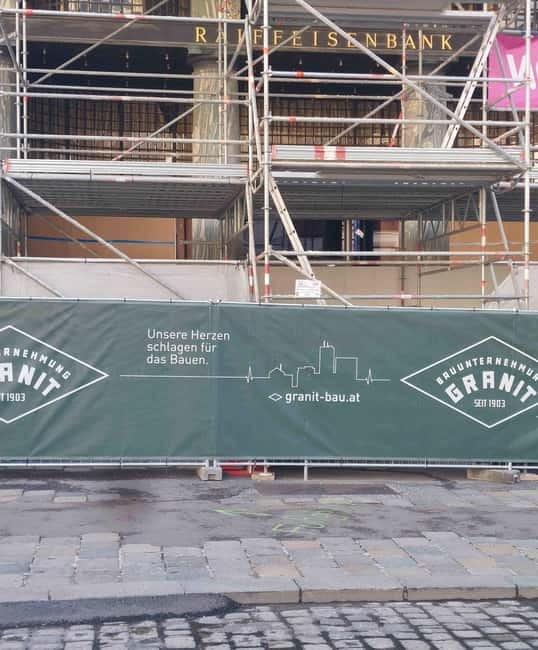
You meet in front of Loos Haus at Michaelerplatz 3, a short walk from metro line U3 at Herrengasse. The front of the building has the name Raiffeisenbank, so it is fairly easy to spot the meeting point if you arrive a few minutes early.
The tour kicks off with Michaelerplatz Excavations, which is a smart way to begin. It reminds you Vienna did not start as an imperial fantasy. You get an early sense of settlement before the palaces and church domes take over the skyline.
Practical heads-up: this walk is in all weather, and luggage or large bags are not allowed. Bring only what you can comfortably carry, and plan on staying dry or warm based on the conditions that day.
Hofburg Palace and Heldenplatz, where power looks physical
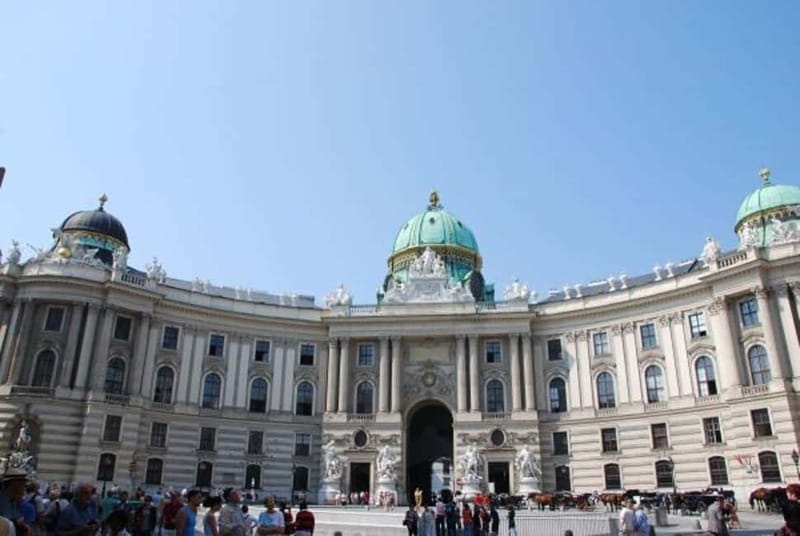
From the start, you move into the Hofburg orbit. The Hofburg Palace is not just one building, it is a whole center of gravity for the Habsburg court. One standout detail is the size of the complex grounds: 555,000 m². That number sticks, because it helps you understand why the Hofburg feels like a city within the city.
Next comes Heldenplatz. This is where you see how rulers used space and scale to communicate authority. The guide talks about the enormous size of the square and what you can learn by looking beyond the facades. Instead of “wow, that building is big,” you start asking why it was built that way, and what messages it carried.
If you like architecture, this is where it becomes more than sight-seeing. You are learning the logic of imperial design, and you get context for the rulers who shaped the city you see today.
Imperial Treasury and the Austrian National Library state room
The Imperial Treasury stop matters because Vienna’s museums can be overwhelming without a storyline. Here, the tour frames why this site belongs on your first-day radar. It is not only about objects, it is about understanding what the Habsburg court valued and displayed.
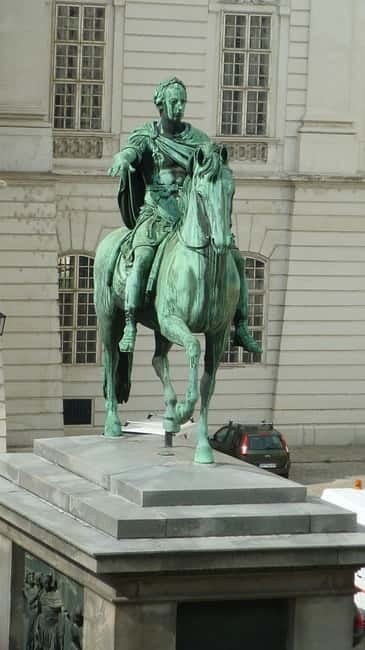
Then the tour passes the Austrian National Library and its state room. You also learn what the roof symbol means and why the nearby square connects to Emperor Joseph II. That is the kind of detail that is hard to guess on your own. After your guide points it out, the building feels less like background and more like a message.
This is also one of the best parts of the tour for first-time visitors. It gives you a vocabulary for the city: you learn how names, symbols, and settings fit together, and you start spotting patterns as you continue your walk later on your own.
More history tours in Vienna:
- Vienna: Time Travel and Magic Vienna History Tour
★ 4.6 · 3,879 reviews - Vienna: World War II Historical Walking Tour
★ 4.8 · 1,772 reviews - Vienna Historic Center Small Group Walking Tour
★ 5.0 · 1,746 reviews - Time Travel-Magic Vienna History Tour Ticket
★ 4.5 · 1,099 reviews
St. Michael’s Church and Habsburg weddings, including the odd details
The tour includes St. Michael’s Church, described as Vienna’s third oldest church, with a mix of three architectural styles. That combination is a clue that you are not just seeing one era. You are seeing how styles overlap when a city keeps evolving in layers.
This is also the church connected to Habsburg weddings. There is practical timing logic here too: it is closed on Sundays and public holidays. If your tour day falls on one of those days, the guide still sets context, but you may not get the same in-person experience.
One of the more memorable pieces of information is about how some weddings worked in practice, including why the groom was not even present at some ceremonies. It is a small detail, but it changes how you interpret the solemnity of the setting. Suddenly you are thinking about court life, logistics, and power, not just the wedding as a romantic ritual.
Albertina art and the Monument Against War and Fascism
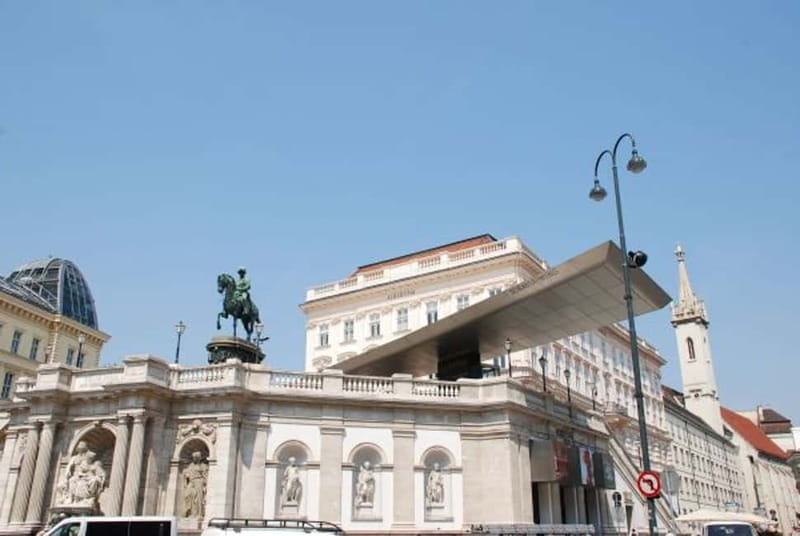
The walk past the Albertina is a high-value stop for art lovers. The Albertina is home to the largest graphical collection in the world, and the tour helps you understand why that matters in the bigger picture of Vienna’s cultural role. Even if you do not plan to enter the museum that day, you now know what to look for when you do later.
Then you confront a different side of Vienna’s story at the Monument Against War and Fascism. The timing matters. After you’ve seen imperial grandeur, the tour brings you face-to-face with the horrors of the Second World War. It is not a lecture that stays abstract. You are standing among the memorial space, and the guide connects what you see to what happened.
I like this pairing because it prevents a one-note view of Vienna. The city is gorgeous, but it also has scars. A tour that mentions both sides helps you appreciate the present with more honest context.
State Opera area, Hotel Sacher replacing the Carinthian Gate
The tour pauses at the State Opera area and explains why the Hotel Sacher now stands where the Carinthian Gate Theatre once was. This is one of those “history is under your feet” stories. You look at a famous hotel and the guide reframes it as a replacement, not a time capsule.
It is also useful because it teaches you how Vienna rebuilt after change. Buildings disappear, functions shift, and famous names take new physical forms. Once you learn that, you start noticing other transformations in the city, including what gets rebuilt, what gets replaced, and what gets preserved.
Neuer Markt and the Providentia Fountain anecdotes
At Neuer Markt, you stop at the Providentia Fountain and get anecdotes that make it feel less like decorative street furniture. It is the kind of stop that you might otherwise ignore if you were walking fast with no plan.
This is where the guide’s storytelling style really helps. Instead of listing facts, the tour connects objects in public spaces to beliefs and civic identity. It is a good reminder that everyday corners in Vienna carry meaning.
Imperial Crypt and St. Stephen’s Cathedral, the WWII twist
The tour ends with a closer look at the Imperial Crypt, including the Habsburg burial ritual. If you think of the Habsburgs only in terms of crowns and portraits, this stop grounds them in how people prepared for death, memory, and dynastic continuity.
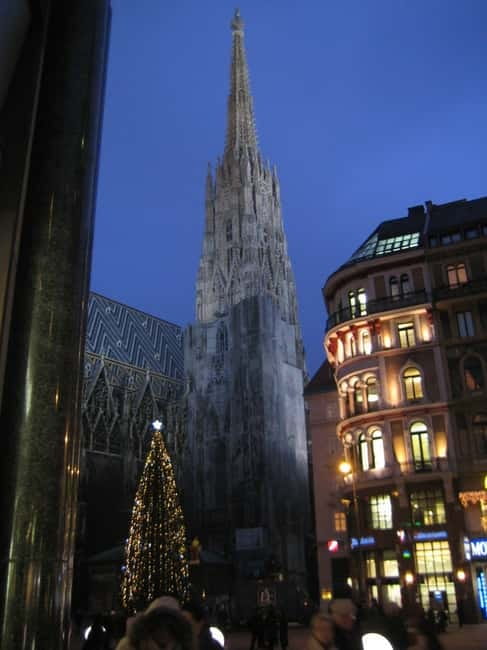
Finally, you reach St. Stephen’s Cathedral, the landmark of Vienna. The tour includes how parts of the cathedral were destroyed during the Second World War, and it points out something you can take with you on every future visit: not everything you learn in school is fully accurate.
That line is not about mocking education. It is about teaching you to look again. After your guide’s comments, you are less likely to accept the first simplified explanation you hear, and more likely to notice what details suggest.
The walk finishes with drop-off near Stephansplatz 8A, right in the cathedral area (close to where it is easiest to continue exploring).
Price and value: what $34 buys you
At $34 per person for a 2-hour small-group tour, the value comes from how efficiently you gain context. You are not just checking boxes. You are learning why the city looks the way it does, and what specific details mean at each stop.
One thing to know: entrance fees are not included. That does not make the tour less worth it, but it changes how you plan your day. If you want to go inside museums afterward, you should budget separately.
The guide component is the real multiplier. The experience is live with a local guide, and the tour stays focused on the important sites within a few blocks. Many people also mention that the guide uses visual support, including photos shown on a tablet at each stop, which helps the storytelling land.
As for what you can do with what you learn, the tour often comes with practical follow-ups. People have mentioned suggestions for local food, including trying Gemischter Satz, and tips that help you plan museum or performance timing. Even if you only use a couple of those ideas, it can make the tour feel like more than a two-hour history lesson.
Who should book, and who might want a different format
This works best if you enjoy architecture, political history, and stories tied to specific places. If you are visiting Vienna for the first time and want a clear orientation to the city’s biggest imperial landmarks, this is a strong fit.
It is not suitable for children under 12, and it is also not suited for people with mobility impairments. The walk is short, but it is still a walking tour in all conditions, and the rules also say no large bags, plus no video or audio recording.
If you love Vienna for coffeehouses, modern design, and neighborhoods beyond the center, you might still enjoy it, but plan to balance it with later time elsewhere.
Should you book this Vienna Essential History Walking Tour?
Yes, if you want a first-pass understanding of Vienna that goes beyond facades. The tour connects major sights like the Hofburg, the National Library, St. Michael’s, the Albertina, and St. Stephen’s with the people, symbols, and turning points that shaped the city.
I would book it early in your stay if you can, because the explanations make later self-guided visits feel smarter. If your schedule is tight, the 2-hour format is also a good match.
Skip it only if your main priority is relaxed neighborhood strolling, or if you need an option that is friendly for mobility needs or for younger kids under 12. Otherwise, this is one of the better ways to turn Vienna’s imperial center into something you can actually understand and remember.
FAQ
How long is the Vienna Essential History Walking Tour?
The tour lasts 2 hours.
Where do I meet for the tour?
You meet in front of Loos Haus at Michaelerplatz 3, 1010 Vienna. It is about a 3-minute walk from the Herrengasse metro station on line U3.
What is included in the price?
The tour includes a local tour guide.
Are entrance fees included?
No, entrance fees are not included.
Is the tour canceled if weather is bad?
No, this tour takes place in all weather conditions.
Can I record video or audio during the tour?
No. Video recording and audio recording are not allowed.
Fresh on the site in Vienna
- World War II History Vienna Old Town Private Walking Tour★ 4.8 · 9 reviews
- Vienna/Bratislava: Traunkirchen, Hallstatt & Salzburg Tour★ 4.8 · 53 reviews
- Vienna: Winery and Wine Tasting Tour with a Wine Expert★ 5.0 · 5 reviews
- Vienna: Wine Tasting Tour★ 4.8 · 61 reviews
- Vienna/Bratislava: Day Trip to Hallstatt & Salzburg★ 4.8 · 21 reviews
- Vienna: Wiener Schnitzel and Strudel Cooking Class★ 4.9 · 126 reviews
- Vienna: Waltz into the Ball Season★ 4.7 · 3 reviews
- Vienna: Wine Tasting E-Bike Tour★ 4.9 · 46 reviews
Historical Tours, compared.
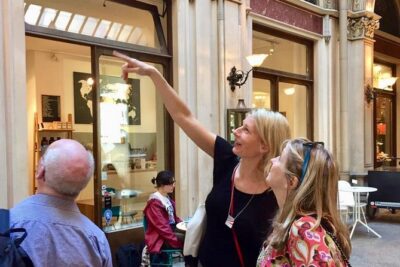
Vienna Historic Center Small Group Walking Tour
Read our review →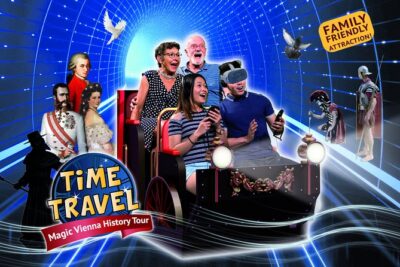
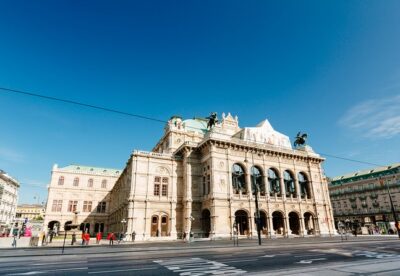
Skip-the-Line Schonbrunn Palace Guided Tour and Vienna Historical City Tour
Read our review →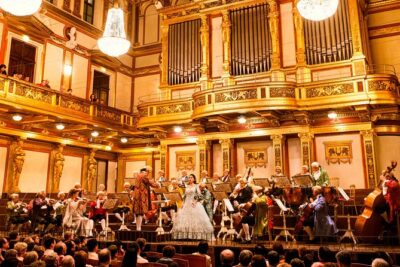
Vienna Mozart Concert in Historical Costumes at the Musikverein
Read our review →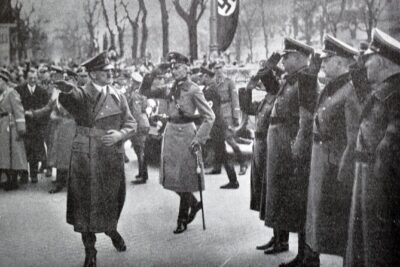
Browse the lists this tour appears in