
REVIEW · HISTORICAL TOURS
Vienna: Ticket to the Museum of Natural History
Vienna can be loud, but this museum feels timeless. With the Venus of Willendorf up close and the Ringstrasse building itself demanding your attention, this ticket turns a single day into a real science-and-prehistory reset. I love how the collections cover both deep time and everyday human history, and I also like that the museum makes the exterior architecture part of the experience before you even step inside. One possible drawback: if you try to see every room, you’ll still leave wanting more, because the museum is genuinely huge.
For me, the best part is the way the exhibits connect. One moment you’re looking at minerals and meteorites, and the next you’re in a cabinet built around prehistoric figurines. I’d plan your route ahead, so you don’t lose energy wandering, especially if you only have 1 day to spend.
In This Review
- Key highlights that make this ticket worth it
- Vienna’s Ringstrasse palace: why the exterior matters
- Ticket value and how to plan your 1-day visit
- Lower floor must-sees: minerals, fossils, meteorites, and dinosaurs
- Venus of Willendorf and the Venus Cabinet: prehistoric art you can study
- Hallstatt finds and the Gold Cabinet: how salt and metal shaped stories
- Upper floor animals: rare specimens, extinct species, and how to look
- Rooftop guided tours: the best way to finish your museum time
- Value for money: what $21 buys you in real experience
- Who should book this ticket, and who might want a different plan
- Should you book this Vienna Natural History Museum ticket?
- FAQ
- FAQ
- How much does the Vienna Natural History Museum ticket cost?
- How long is the ticket valid?
- What does the ticket include?
- What are the key highlights I should plan around?
- Is the museum wheelchair accessible?
- Is there free cancellation?
- Can I reserve now and pay later?
- Is there a rooftop view option?
Key highlights that make this ticket worth it

- Venus of Willendorf and the Venus Cabinet, with other major figurines included
- The museum’s Ringstrasse palace façade, built to look like natural science belongs in grand rooms
- Meteorites, fossils, and dinosaurs on the lower level
- Hallstatt treasures, tied to 7,000 years of salt mining
- Upper-floor animal collections, including rare and extinct species displayed as mounted specimens
- Rooftop guided tour option, for a Vienna city-center view
Vienna’s Ringstrasse palace: why the exterior matters
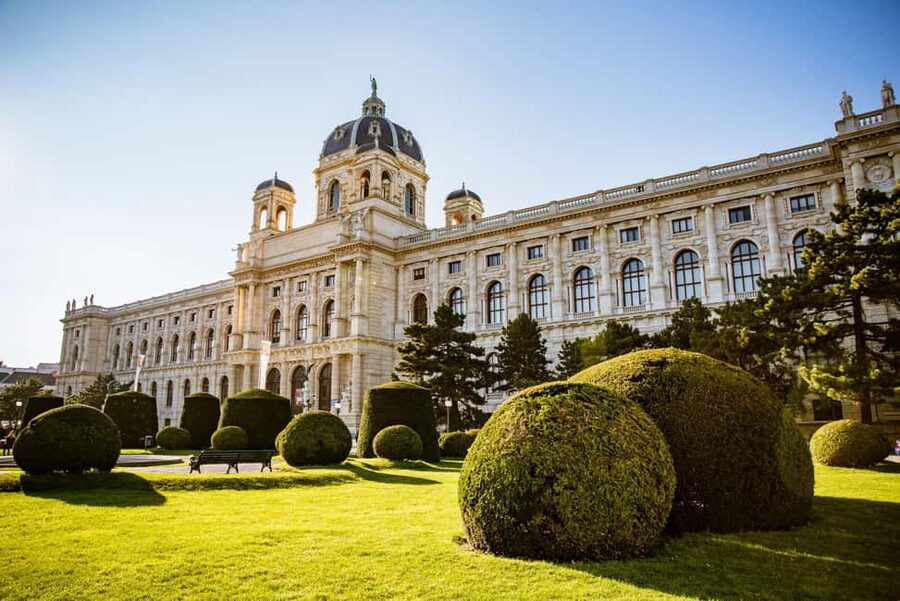
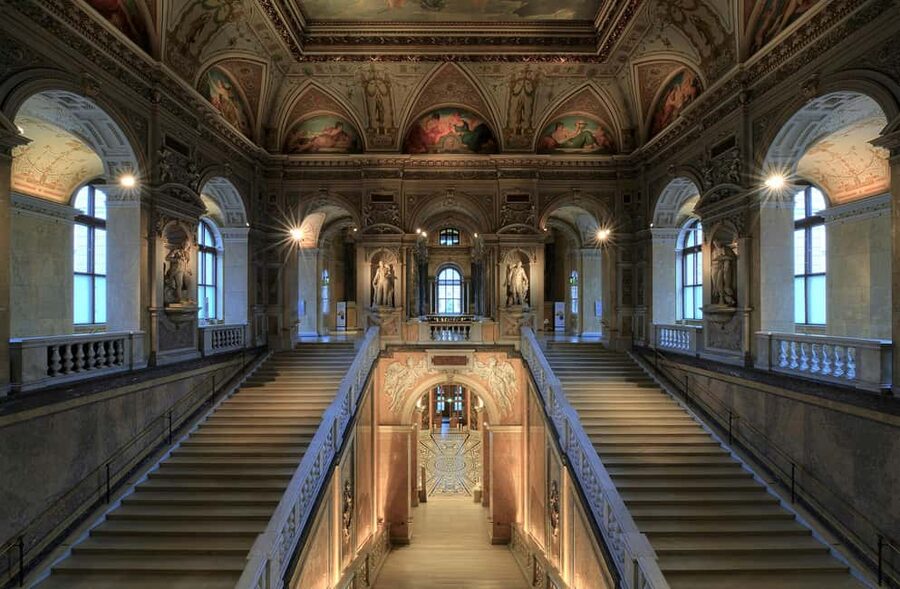
The Natural History Museum Vienna sits on the Ringstrasse, and it looks like it was designed for big ideas. Even before you enter, you get that sense that this is not a small curiosity stop. The building was shaped as a “Palace of Natural Science and Evolution,” designed by Gottfried Semper and Carl von Hasenauer, and it officially opened on August 10, 1889, by Emperor Franz Joseph I.
That context matters because it changes how you experience the museum. You’re not just buying entry to rooms with cases. You’re stepping into a historic framework made to honor how humans learned about the natural world. If you like architectural backdrops for photos, plan a few minutes outside first. Then go in with a calmer head. You’ll enjoy the exhibits more.
More museums in Vienna:
- Vienna: Skip-the-Line Sisi Museum, Hofburg and Gardens Tour
★ 4.8 · 5,918 reviews - Vienna Kunsthistorisches Museum Day Admission Ticket
★ 4.6 · 3,690 reviews - Tickets for the Albertina Exhibitions
★ 4.7 · 2,126 reviews
Ticket value and how to plan your 1-day visit
Your ticket gets you admission to the museum, valid for 1 day, so you should treat it like a focused mission, not a leisurely stroll with zero structure. The museum houses over 30 million objects and is spread across 39 exhibition halls on two floors. It also draws over a million visitors a year, so it’s popular, which usually means you’ll want to start early if you can.
Here’s how I’d plan a smooth 1 day:
- Choose 2 to 4 “anchors” you truly care about, then fill in around them.
- Start with the big headliners on the lower floor, then move upward.
- Save time for the special spaces like the cabinets, because those can pull you in longer than you expect.
Also, the museum is wheelchair accessible, so if you’re using a chair, you can still follow a logical route without feeling like you’re stuck at the edges of the building.
Lower floor must-sees: minerals, fossils, meteorites, and dinosaurs
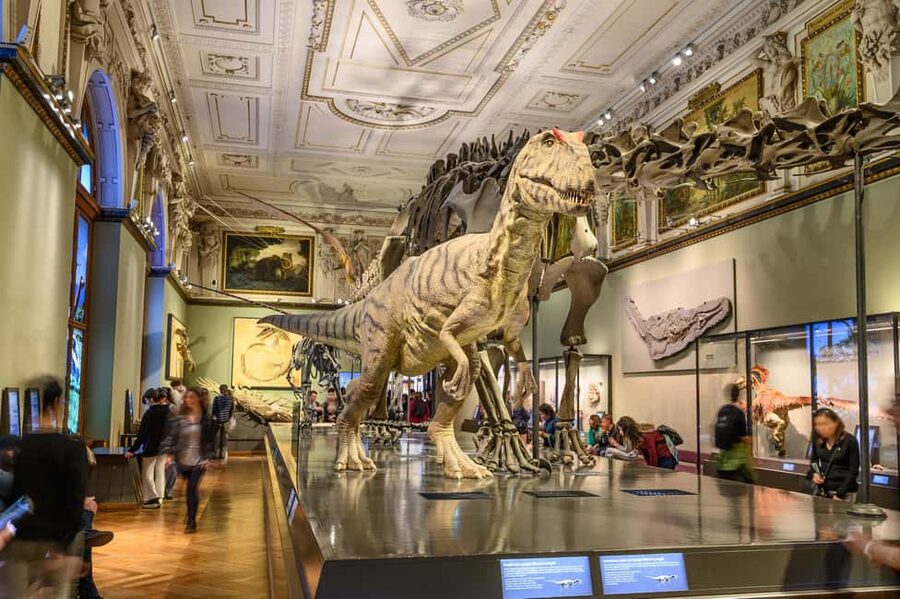
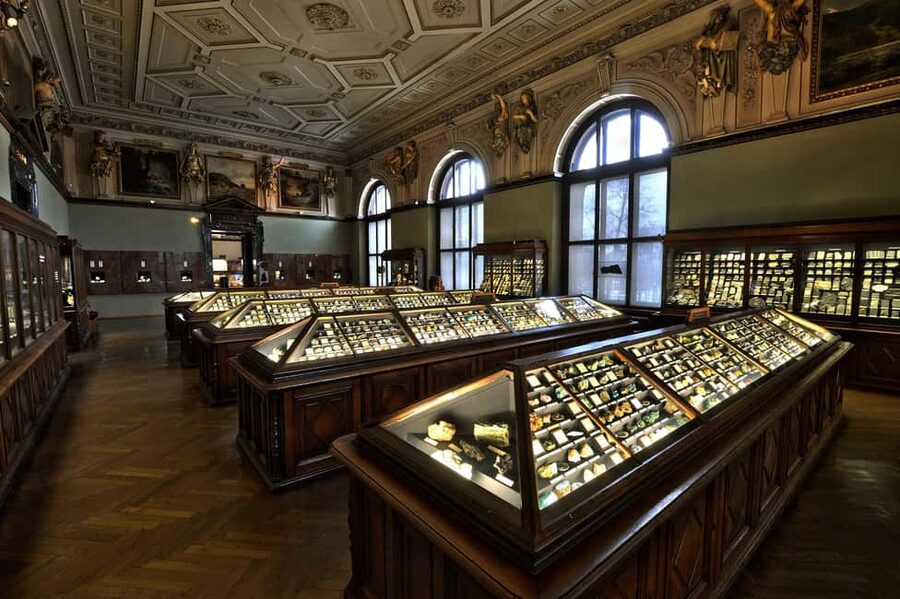
The lower level is where the museum grabs your attention with physical, tangible stuff. You’ll find precious gemstones and minerals, rare fossils, and even giant dinosaur material. If you’re the type of person who loves when science feels concrete, this is your zone.
This floor also includes one of the museum’s strongest scientific draws: meteorites. The museum has the largest and oldest collection of meteorites in the world, and seeing them here gives you a different perspective. Meteorites are space objects, but the museum turns them into something you can study closely, like evidence you can inspect.
A few more lower-floor elements to look for as you move:
- An exhibition on the origin and development of mankind
- Special exhibitions that rotate topics
- A broad range of fossil and mineral displays that show how researchers think about the natural world
Practical tip: lower floors can feel dense. When you’re in a section that interests you, slow down and actually read. The museum is set up so that even short stops can feel rewarding, because you’re not just viewing objects. You’re seeing how the story is organized.
Venus of Willendorf and the Venus Cabinet: prehistoric art you can study
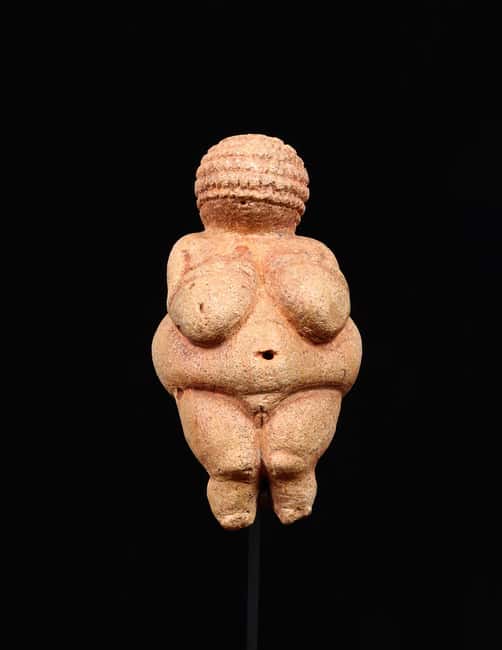
The museum’s most famous single stop is the Venus Cabinet, and it’s the kind of place that makes you realize how much a small object can hold. The Venus of Willendorf is 29,500 years old, and it’s right there for you to see. But the cabinet is more than one headline piece.
It also includes the Venus of Galgenberg, which is 36,000 years old. The museum describes it as the oldest known human figure made of stone. That matters because you’re not just looking at an ancient sculpture. You’re comparing how different prehistoric periods produced recognizable human forms.
Here’s why this cabinet is so worth building your day around:
- It’s a concentrated experience, not a scattered one
- You get a quick sense of how prehistoric humans were represented and interpreted over time
- The cabinet format encourages close looking rather than rushing
If you only have one day, this is one of the best places to spend extra time. You’ll feel like you actually met something, not just passed by a display.
More history tours in Vienna:
- Vienna: Time Travel and Magic Vienna History Tour
★ 4.6 · 3,879 reviews - Vienna: World War II Historical Walking Tour
★ 4.8 · 1,772 reviews - Vienna Historic Center Small Group Walking Tour
★ 5.0 · 1,746 reviews - Time Travel-Magic Vienna History Tour Ticket
★ 4.5 · 1,099 reviews
Hallstatt finds and the Gold Cabinet: how salt and metal shaped stories
On the lower floor, the museum brings you into history through objects tied to real places. One of the standout themed areas focuses on Hallstatt. There’s an entire room devoted to finds from a prehistoric mine and burial ground in Hallstatt. The museum notes 7,000 years of uninterrupted salt mining, and that long stretch is why the archaeological traces are so rich.
When you look at these materials, you understand something important. Salt was not just a seasoning. It was tied to survival, trade, and social life. So when the museum shows you artifacts connected to Hallstatt, it’s doing more than showing pretty things. It’s showing how one resource can shape a community for thousands of years.
Right near this kind of thinking, you’ll also want to look at the Gold Cabinet. It displays prehistoric gold and silver treasures, including the second oldest gold find in the world. You can treat this as the museum’s “wow” room, but it’s not random. The items help you see that prehistoric people weren’t living in a blank, featureless past. They were making, valuing, and burying objects that still carry meaning now.
And while you’re moving through these major spaces, keep an eye out for the museum’s famous gemstone bouquet. It’s described as a gift from Maria Theresa to her husband, Emperor Franz I Stephan of Lorraine. That detail is helpful because it anchors the museum in human drama, not only deep time.
Upper floor animals: rare specimens, extinct species, and how to look
Once you’ve handled geology and prehistoric human material, the upper floor shifts the mood. This section is about the diversity of animal life, from simpler marine organisms up to highly developed mammals.
What I like about this move is that it helps your brain stop treating the museum like a list of unrelated categories. Instead, you feel the long arc: Earth processes, then life forms, then human presence, then back to the living world.
On the upper floor, you’ll see numerous mounted specimens. The museum highlights extremely rare and also extinct amphibians and reptiles, mammals, and birds. Many are described as historical treasures. That combination changes how you view the exhibits. Mounted specimens can sometimes feel static, but here they work as records. They show variety, difference, and loss.
How to make this part more satisfying:
- Don’t try to see every single case. Pick the groups you care about most.
- When you stop, compare form and labeling. Mounted specimens are easiest to appreciate when you spend 30 to 60 seconds reading rather than only scanning.
If you’re with kids or you’re short on time, this floor can still work because the animals act like natural attention magnets. Just guide yourselves to the highlights first, then let curiosity fill the gaps.
Rooftop guided tours: the best way to finish your museum time
One of the visitor highlights is the chance to take a guided tour to the rooftop, with a fantastic view of Vienna’s city center and magnificent buildings along the Ringstrasse. That rooftop option is a smart way to cap your day. It gives you a visual reset after hours of looking at small details.
Because the rooftop tour is described as an opportunity, not specifically stated as included with your admission ticket, treat it as an add-on you should check for while you’re there. If it’s available during your visit, slot it in. The timing is the main variable, so plan a little buffer near the end of your museum session.
Even if you skip the rooftop, the museum’s layout often makes you exit with that Ringstrasse perspective anyway. Finishing outside with a view can help the day feel cohesive.
Value for money: what $21 buys you in real experience
At around $21 per person for admission, you’re paying for one of Europe’s major natural history institutions, not a casual museum afternoon. The value comes from scale and importance.
You’re getting:
- A building that was designed as a palace for science and evolution, opened in 1889
- Over 30 million objects and 39 exhibition halls
- World-famous highlights like the Venus of Willendorf and the Venus Cabinet
- A curated experience across geology, fossils, human prehistory, mineral treasures, and animal life
- A deep scientific setting, where behind the scenes 60 scientists work on issues in human, earth, and life sciences
That last point is quietly powerful. The museum notes that scientific activities remain largely hidden from the public, but the knowledge gained is constantly incorporated into the public collection. In practical terms, that means you’re not looking at old, static displays only. The museum is actively maintaining and updating the way information is presented.
Will you see everything? Probably not, unless you treat it like a full day with very minimal breaks. But you can still leave feeling you got the big ideas and major artifacts without burning your energy.
Who should book this ticket, and who might want a different plan
This ticket is a great match if you:
- Want a single museum day that covers natural history and prehistory in one place
- Care about world-famous artifacts, especially the Venus of Willendorf
- Like museums where the architecture is part of the experience
- Prefer a self-paced visit through large, meaningful sections
You might want to rethink your approach if you:
- Want a guided tour with extensive narration built into the ticket itself, because the main value here is museum admission and discovery
- Have extremely limited time and want just one short highlight stop, because even the highlight-focused route benefits from time in multiple rooms
If you’re traveling with mixed ages, this can still work well. The Venus Cabinet rewards careful looking, while the dinosaurs and animal specimens help keep energy up.
Should you book this Vienna Natural History Museum ticket?
Yes, book it if you want an iconic Vienna museum day that mixes famous objects with real scientific structure. The Venus Cabinet plus the Hallstatt and Gold Cabinet spaces give you a strong prehistoric and human-history storyline, and the meteorites and fossils help ground it in Earth science. Add the rooftop view option if timing allows, and you’ll finish with a sense of place that feels very Vienna.
If you’re the kind of traveler who plans, prioritizes, and then enjoys the museum at a good pace, this is excellent value for a 1-day pass.
FAQ
FAQ
How much does the Vienna Natural History Museum ticket cost?
The price is listed as $21 per person.
How long is the ticket valid?
The ticket is valid for 1 day.
What does the ticket include?
It includes admission to the Museum of Natural History, Vienna.
What are the key highlights I should plan around?
Top highlights include the Venus of Willendorf, strolling through natural history artifacts, and appreciating the museum’s impressive exterior architecture.
Is the museum wheelchair accessible?
Yes, the experience is wheelchair accessible.
Is there free cancellation?
Yes, you can cancel up to 24 hours in advance for a full refund.
Can I reserve now and pay later?
Yes, the option to reserve now and pay later is offered to keep your plans flexible.
Is there a rooftop view option?
The museum offers the opportunity to take a guided tour to the rooftop with a view of Vienna’s city center and Ringstrasse buildings, if available during your visit.
Fresh on the site in Vienna
- World War II History Vienna Old Town Private Walking Tour★ 4.8 · 9 reviews
- Vienna/Bratislava: Traunkirchen, Hallstatt & Salzburg Tour★ 4.8 · 53 reviews
- Vienna: Winery and Wine Tasting Tour with a Wine Expert★ 5.0 · 5 reviews
- Vienna: Wine Tasting Tour★ 4.8 · 61 reviews
- Vienna/Bratislava: Day Trip to Hallstatt & Salzburg★ 4.8 · 21 reviews
- Vienna: Wiener Schnitzel and Strudel Cooking Class★ 4.9 · 126 reviews
- Vienna: Waltz into the Ball Season★ 4.7 · 3 reviews
- Vienna: Wine Tasting E-Bike Tour★ 4.9 · 46 reviews
Historical Tours, compared.
Vienna Historic Center Small Group Walking Tour
Read our review →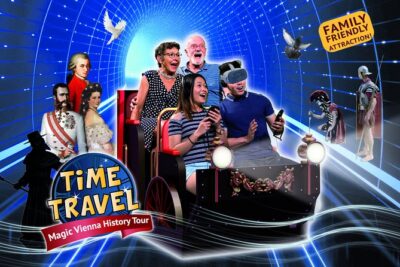
Skip-the-Line Schonbrunn Palace Guided Tour and Vienna Historical City Tour
Read our review →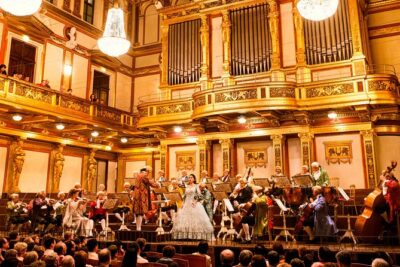
Vienna Mozart Concert in Historical Costumes at the Musikverein
Read our review →
Browse the lists this tour appears in